



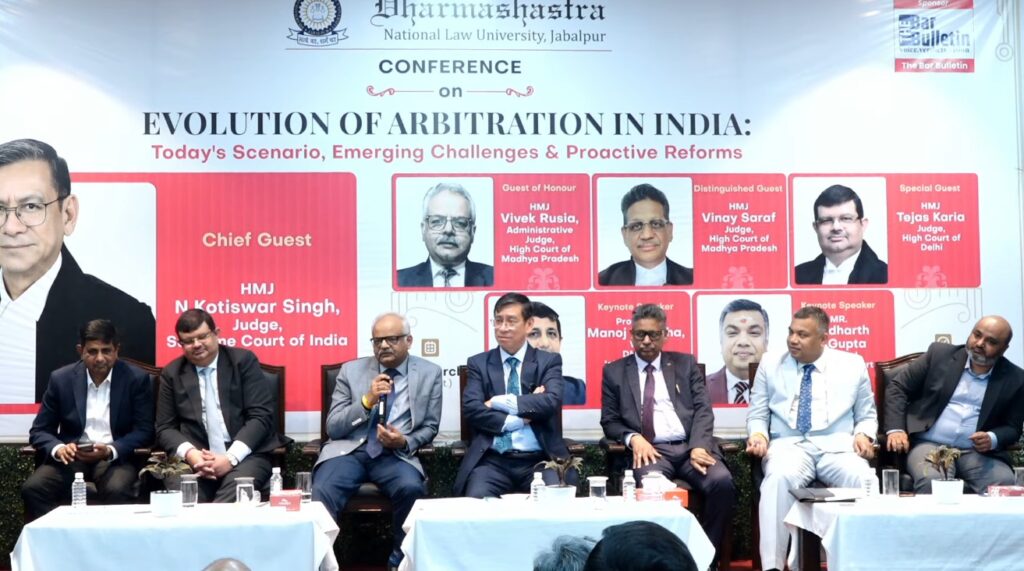
Dharmashastra National Law University, Jabalpur, hosted a conference on March 14, 2026, on the theme “Evolution of Arbitration in India: Today’s Scenario, Emerging Challenges and Proactive Reforms,” bringing together key members of the legal fraternity to deliberate on the trajectory of arbitration in India. The event was graced by Hon’ble Justice N. Kotiswar Singh, Judge, Supreme Court of India, as the Chief Guest, along with Hon’ble Justice Vivek Rusia as Guest of Honour and Hon’ble Justice Vinay Saraf of the Madhya Pradesh High Court as Distinguished Guest, Hon’ble Justice Tejas Karia of the Delhi High Court as Special Guest, the Vice Chancellor of the University, Prof. (Dr.) Manoj Kumar Sinha, and Mr. Siddharth R. Gupta, Senior Advocate, Supreme Court of India.
 Welcoming the distinguished gathering, Prof. (Dr.) Manoj Kumar Sinha, Vice Chancellor, Dharmashastra National Law University, Jabalpur, highlighted the university’s commitment to advancing arbitration as a key area of legal education, while expressing gratitude to the judiciary for its continued support.
Underscoring the growing global relevance of arbitration, he noted that India’s improving ease of doing business is closely tied to reforms in dispute resolution. He added that the university is actively promoting the subject through courses, academic initiatives, and conferences. He also encouraged students to actively pursue the field, expressing hope that Madhya Pradesh could emerge as a regional arbitration hub.
 Delivering the address, Siddharth R. Gupta, Senior Advocate, Supreme Court of India, stressed that arbitration must remain rooted in core principles of independence, impartiality, and efficiency. He highlighted key challenges in India’s arbitration framework, particularly delays in enforcement and excessive judicial intervention. Mr Gupta also advocated for introducing a limited appellate mechanism and strengthening institutional arbitration to enhance credibility and investor confidence.
Taking examples from Ramayana and Mahabharata, he reflected on the broader significance of arbitration, while adding, “Disputes cannot be resolved by force or influence; they must be resolved through reason, dialogue, and structured adjudication.” He concluded by emphasising that timely reforms are essential if India aims to become a preferred global destination for arbitration.
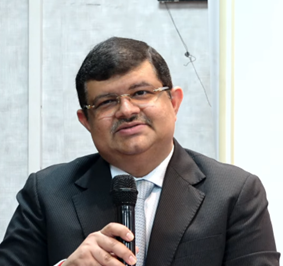 Delivering a key address, Justice Tejas Karia, Judge, Delhi High Court, highlighted arbitration as an indispensable pillar of modern commercial justice. Stressing efficiency and party autonomy, he noted, “Arbitration is not an alternative to litigation, it is parallel to it, designed for speed, expertise, and finality.” He emphasised the importance of well-drafted arbitration clauses, clarity on the seat of arbitration, and institutional mechanisms to ensure timely and effective dispute resolution. He encouraged students to enter the field.
Justice Karia also pointed to the growing role of technology, observing that tools like virtual hearings, real-time transcription, and AI-driven document management are transforming arbitration practice. He further stressed that India’s pro-arbitration judicial approach and legislative reforms, including the 2015 amendments to the Arbitration and Conciliation Act, have significantly strengthened the framework.
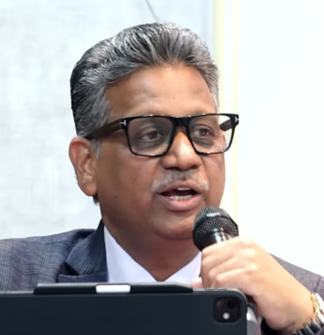 Speaking on the evolution and challenges of arbitration in India, Justice Vinay Saraf, Judge, Madhya Pradesh High Court, acknowledged the progress made but cautioned against persistent structural issues. “Arbitration was intended to be faster and more efficient than litigation, yet in many cases it has begun to mirror the very delays it sought to avoid,” he remarked. Highlighting excessive court intervention and procedural delays, he stressed the need to align practice with the intended objectives of arbitration.
Justice Saraf placed particular emphasis on the lack of subject-matter expertise in arbitral tribunals, noting that complex commercial disputes often require technical understanding. He further added that strengthening institutional arbitration and reducing ad hoc practices are critical for India’s ambition to become a global arbitration hub. Encouraging students to engage with arbitration early, he remarked,
“Curiosity keeps the law alive, and arbitration today is one of the most dynamic fields where law meets commerce, technology, and strategy.”
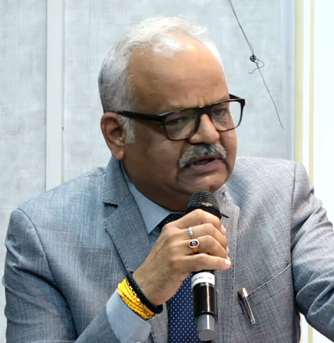 Addressing the gathering, Justice Vivek Rusia, Administrative Judge, Madhya Pradesh High Court (Indore Bench), brought a practical perspective to the discourse, drawing from his extensive judicial and administrative experience. Reflecting on systemic challenges, he remarked, “The very purpose of arbitration gets frustrated if matters are ultimately decided like regular court litigation.” He highlighted how delays at the stage of judicial review, particularly under Sections 34 and 37 of the Arbitration Act, often undermine the efficiency arbitration seeks to achieve.
Justice Rusia also shed light on the functioning of the Madhya Pradesh Madhyastham Adhikaran, a specialised tribunal for works contract disputes, noting its unique model combining judicial and technical expertise. However, he expressed concern over prolonged pendency at the High Court level, observing that “awards passed within one or two years remain stuck in revisions for decades, defeating the objective of speedy dispute resolution.”
Emphasising the importance of domain expertise, he advocated for appointing technically qualified arbitrators depending on the nature of disputes. Concluding on a reflective note, Justice Rusia described arbitration as a more flexible and efficient form of dispute resolution but cautioned against excessive judicial interference. “Arbitration may be a more comfortable form of litigation, but its true value lies in ensuring finality with minimal court intervention,” he observed.
Chief Guest of the event, Hon’ble Mr Justice N. Kotiswar Singh, Judge, Supreme Court of India, addressed students and dignitaries on the themes of arbitration and the guiding role of the Preamble in the Indian judiciary.
Read here- https://thebarbulletin.com/preamble-mul-mantra-guiding-indian-judiciary/