


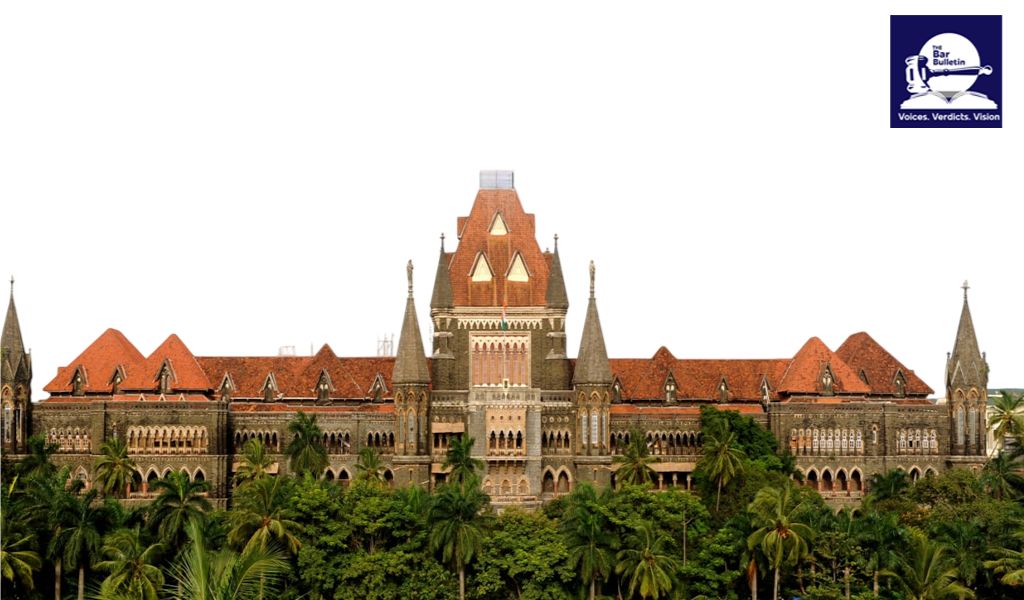

The Bombay High Court has held that an Authorised Officer under Section 88 of the Maharashtra Cooperative Societies Act becomes functus officio the moment he is replaced, and therefore cannot submit a report thereafter. Justice Amit Borkar set aside the Section 88 report submitted by the replaced officer as well as the consequential recovery certificate issued against the petitioners.
The case stemmed from suo motu proceedings initiated in 2018 into the affairs of a cooperative housing society, in which the Registrar had first appointed an Authorised Officer (Respondent No. 6). Due to a long delay in the submission of the report, the Registrar replaced him on February 14, 2022 and appointed a new Authorised Officer. Despite this substitution, the earlier officer proceeded to draft a report on February 28, 2022 and submitted it on 1 March 2022, later claiming he had no knowledge that he had been replaced. The recovery certificate issued under Section 98 was founded entirely on this report, prompting the petitioners to challenge the entire chain of proceedings.
The Court held that once the Registrar issued the order of substitution, the earlier officer ceased to have any jurisdiction and became functus officio. His lack of awareness could not revive a power that had legally ended. The Court emphasised that allowing such a plea would introduce unpredictability into statutory inquiries, as the validity of proceedings would hinge on subjective claims of knowledge rather than objective legality.
Justice Borkar reasoned that an Authorised Officer acts purely by virtue of statutory delegation and not “personal authority”. The moment the delegation is withdrawn, the officer cannot perform any further acts in the inquiry. The Court relied on principles such as “cessante ratione legis cessat ipsa lex” to hold that once the reason for exercising power disappears, the power itself ceases. A report prepared after the cessation of authority is void and cannot form the basis for coercive recovery.
The Court further held that the successor officer need not restart the proceedings but must analyse the existing record and provide a fair opportunity of hearing before concluding the inquiry. Since the recovery certificate was entirely founded on an invalid report, it was quashed along with the orders passed in revision and appeal. The matter was remanded to the competent authority for fresh proceedings in accordance with the law.
Appearances
Mr. Siddhesh Bhole with Mr. Ashwin Pimple for Petitioners; Mr. Surel Shah, Senior Counsel with Mr. Amol Khanna for Respondent 4; AGPs Ms. Kavita Solunke, Mr. S.L. Babar, and Mr. Y.D. Patil for State.
