


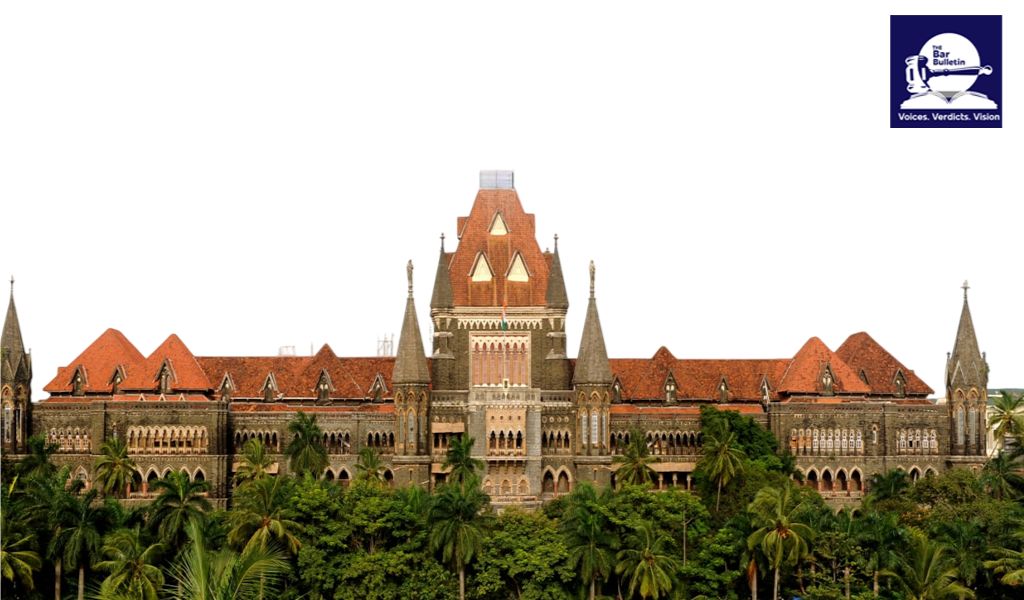

The Bombay High Court upheld the views of the Appellate Revenue Authority as well as the factual findings of the ITAT in restricting the additions made on account of bogus purchases, to the extent of actual purchases made through Hawala Transactions only. The Court essentially ruled that genuine purchases could not be characterised as bogus purchases by simply relying on some information from the investigation wing.
The ruling came after finding that the respondent (taxpayer) had duly discharged the onus of proving the genuineness of the purchases made from the respective suppliers, and also submitted the certificate from the VAT Auditor in respect of the specific transaction.
The Division Bench comprising Justice G.S. Kulkarni and Justice Aarti Sathe observed that the respondent had given a detailed explanation regarding the alleged Hawala purchasers and also submitted that they had documents, like copies of purchase bills, ledger account, and proof of all Bank payments.
The Bench also found that the submissions made by the respondent were duly substantiated, and the payments were made by account payee cheques, thereby justifying the genuineness of the transaction, and further, there was no defect pointed out in the invoices which were furnished before the assessing officer at the time of assessment proceedings.
Reference was made to the decision of the Coordinate Bench in the case of Principal Commissioner of Income Tax vs. SVD Resins and Plastics Pvt Ltd., where it was held that the information derived by the Assessing Officer from the Sales Tax Department without the same being furnished to the taxpayer and not proved was not a sound approach adopted by the Department.
Briefly, in this case, the respondent company engaged in the business of the power sector in the transmission and distribution sector, filed its ITR by declaring income at Rs. 7.65 crores, which was processed under Section 143(1) by the CPC. However, later on, the assessment was reopened by issuance of notice under Section 148 based on information received from the DG investigation, showing Hawala transaction amounting to Rs. 2.05 crores.
Finally, the AO made an addition of Rs. 2.05 crores on account of bogus purchases, as the respondent failed to produce the suppliers or the confirmation letters from the parties. Additionally, the AO initiated penalty proceedings under Section 271 (1)(c) for furnishing inaccurate particulars of income and concealing particulars of income. On appeal, the CIT(A) restricted the addition to Rs. 15.12 lacs only, relying on the certificate of the VAT Auditor, which differentiated the quantum of real purchases from the bogus purchases. This finding of the CIT(A) was upheld by the ITAT.
Appearances:
Advocate Vikas T. Khanchandani, for the Appellant/ Revenue
NA, for the Respondent/ Taxpayer
