


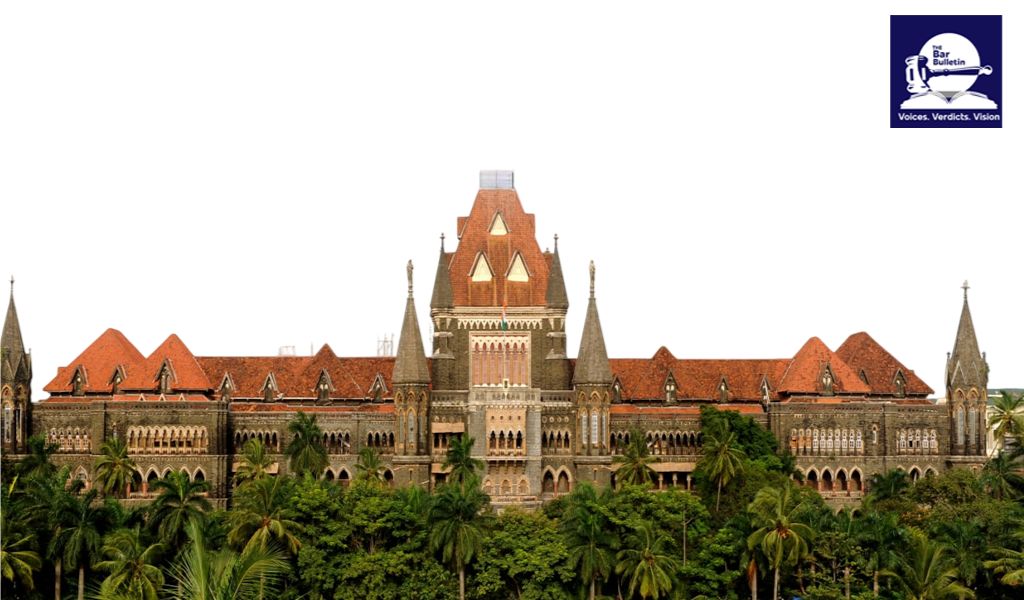

In a significant order impacting criminal appellate practice, the Bombay High Court (Nagpur Bench) has directed that a batch of criminal appeals and applications challenging acquittals in IPC and cheque-dishonour cases be transferred to the District and Sessions Courts concerned. Justice M.M. Nerlikar passed the common order holding that in light of recent Supreme Court judgments, appeals filed by “victims” under the proviso to Section 372 of the CrPC must lie before the forum that ordinarily hears appeals against conviction.
The Court relied heavily on Celestium Financial v. A. Gnanasekaran, 2025 SCC OnLine SC 1320, Khem Singh (D) v. State of Uttarakhand 2025 SCC OnLine SC 1778, and Asian Paints Ltd. v. Ram Babu, 2025 SCC OnLine SC 1427 and have decisively recognised the expansive right of a “victim” to file an appeal against acquittal, conviction for a lesser offence, or inadequate compensation without the need to seek special leave under Section 378(4) CrPC. The Court noted that the term “victim” includes any person suffering physical, mental, financial or legal injury, and applies uniformly to cases instituted either on police report or through private complaints, including cheque dishonour cases.
Taking note of these binding principles, the Court passed following directions:
1. All applications and appeals are transferred to the concerned District and Sessions Courts, which shall register and proceed with them in accordance with law.
2. Parties have been directed to appear before the concerned District and Sessions Courts on 07 January 2026.
3. If any non-applicant/respondent is unserved, the District and Sessions Court shall issue notice and take necessary steps to ensure proper service before proceeding further.
4. In matters where the High Court had appointed a Legal Aid Panel advocate, and such advocate is unable to appear before the transferee court, the District and Sessions Court shall appoint another Legal Aid Panel advocate to represent the non-applicants/respondents.
5. If any party remains absent after transfer, the concerned Court/Judge shall issue notice to such party/parties before taking the matter further.
6. All District and Sessions Courts shall treat these matters as appeals under the proviso to Section 372 CrPC, in line with the Supreme Court’s rulings in Celestium Financial, Khem Singh, Asian Paints, and Satish Kumar.
7. Considering the pendency of several matters for many years, the District and Sessions Courts have been urged to endeavour to dispose of the cases as expeditiously as possible.
8. The Registrar (Judicial) of the High Court has been directed to immediately initiate all necessary steps for transferring the matters to the concerned District and Sessions Courts.
