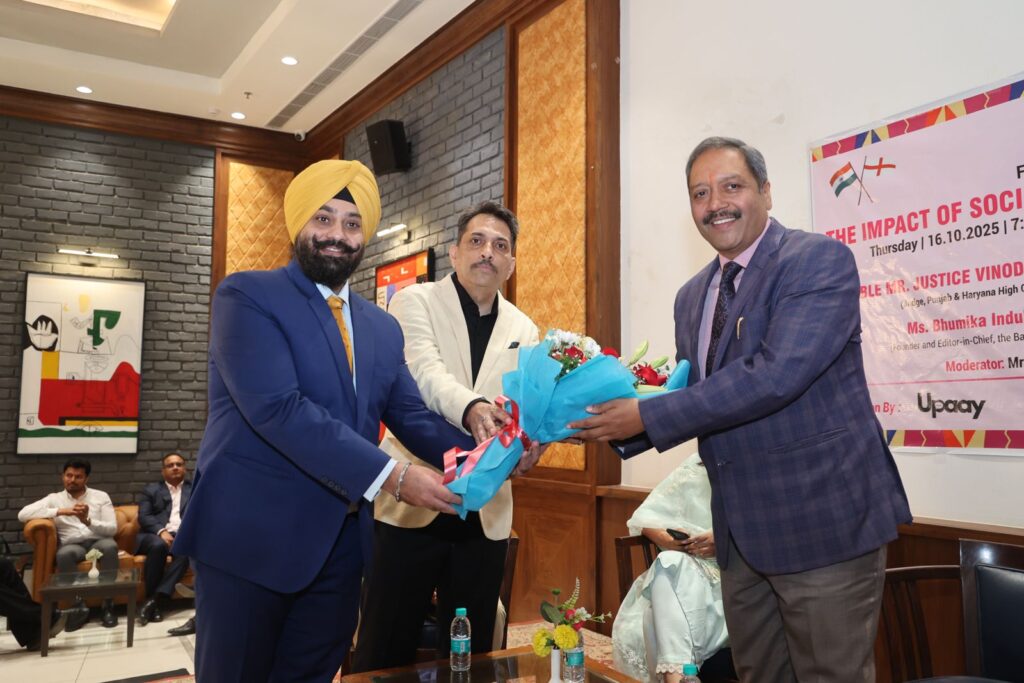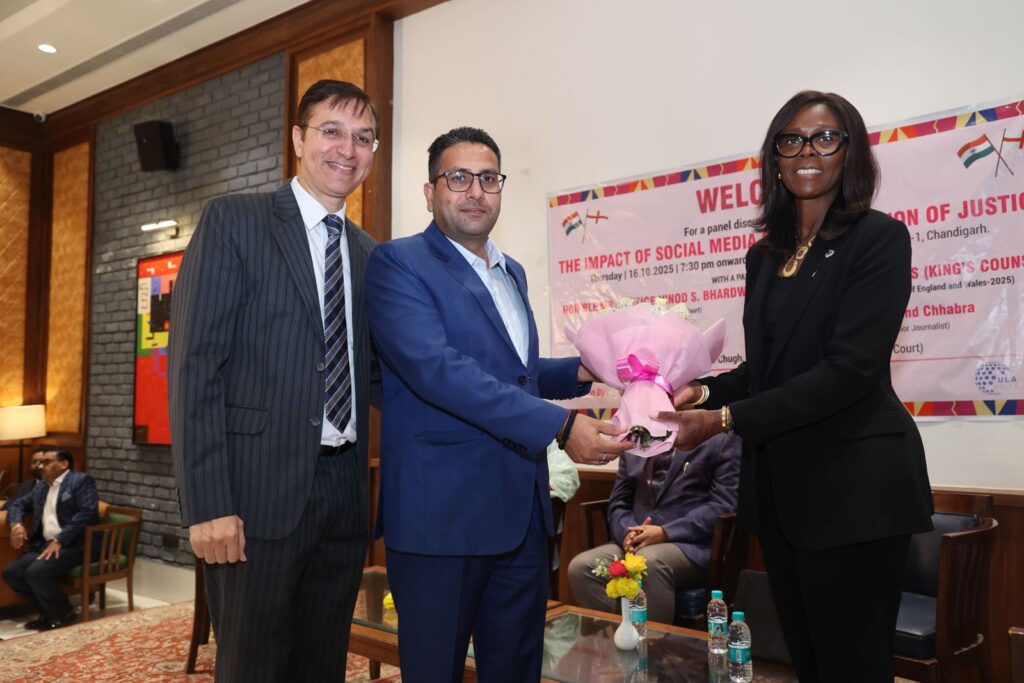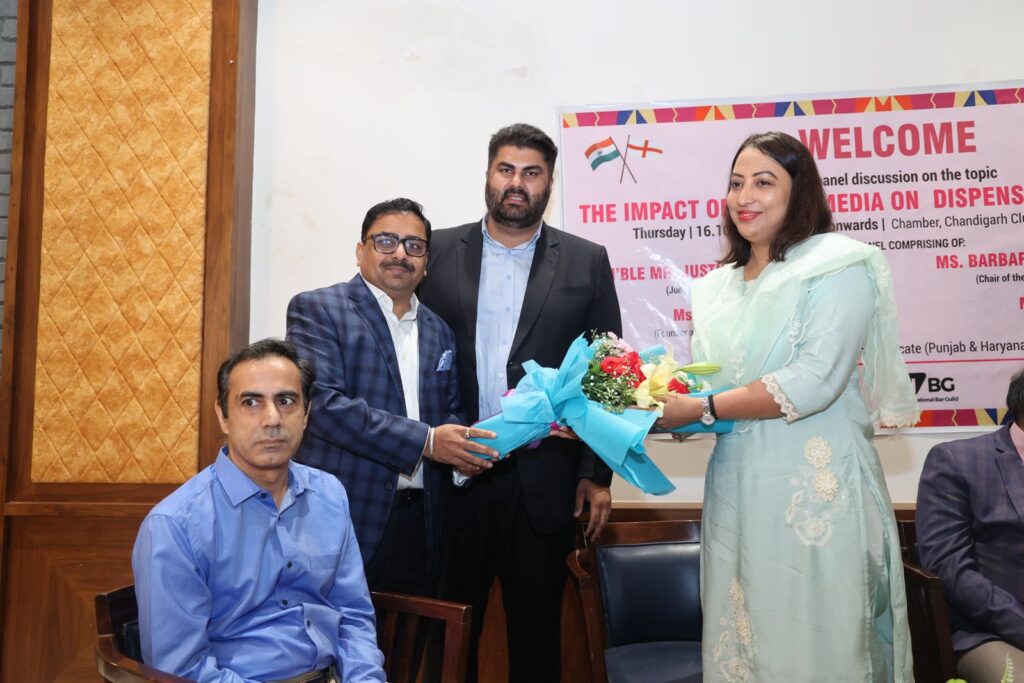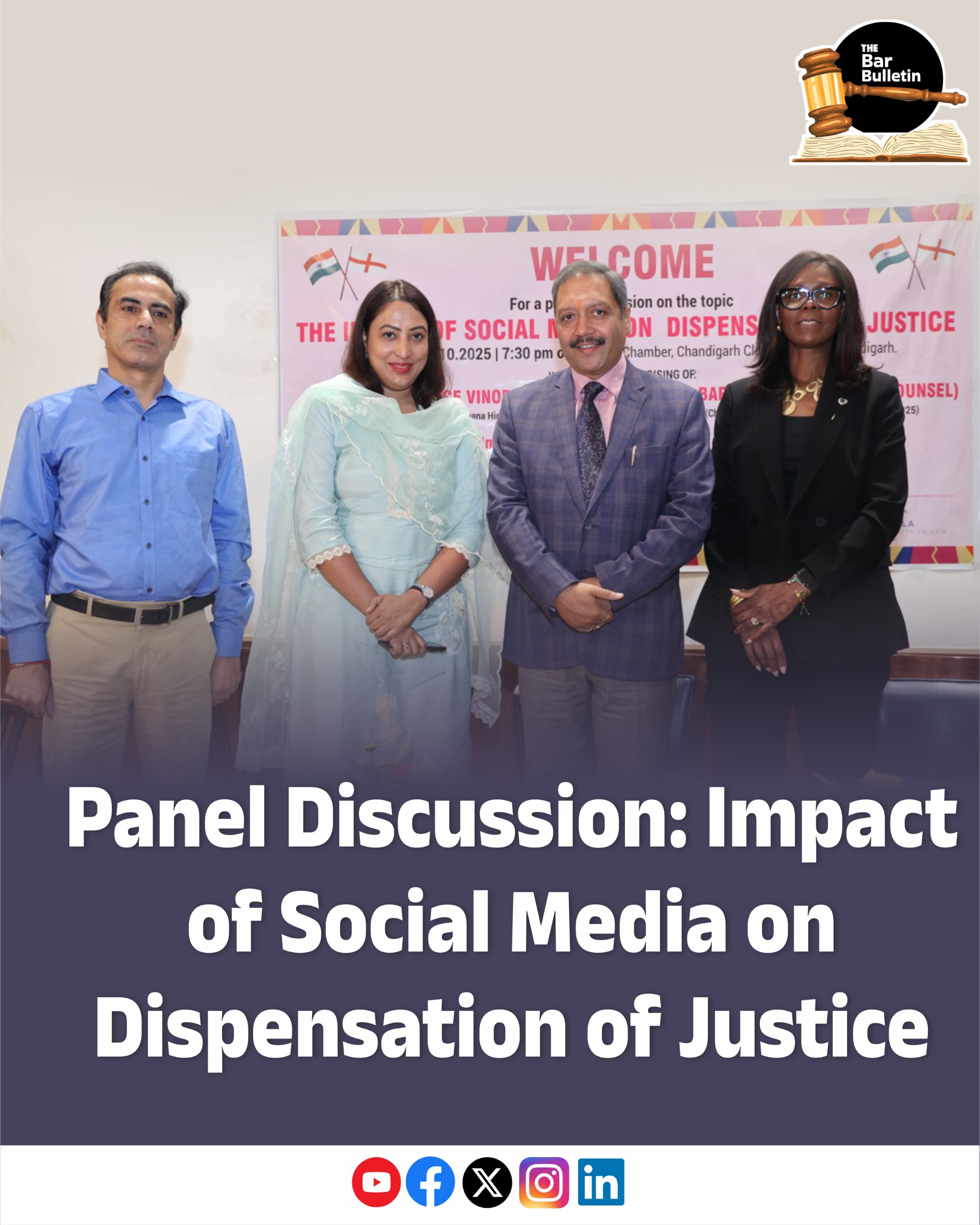

A thought-provoking panel discussion on “The Impact of Social Media on Dispensation of Justice” was held at the Chandigarh Club, Sector 1, on Thursday evening. The event brought together eminent voices from the judiciary, legal fraternity, and media to explore how social media is influencing judicial perception, accountability, and the integrity of the justice system.
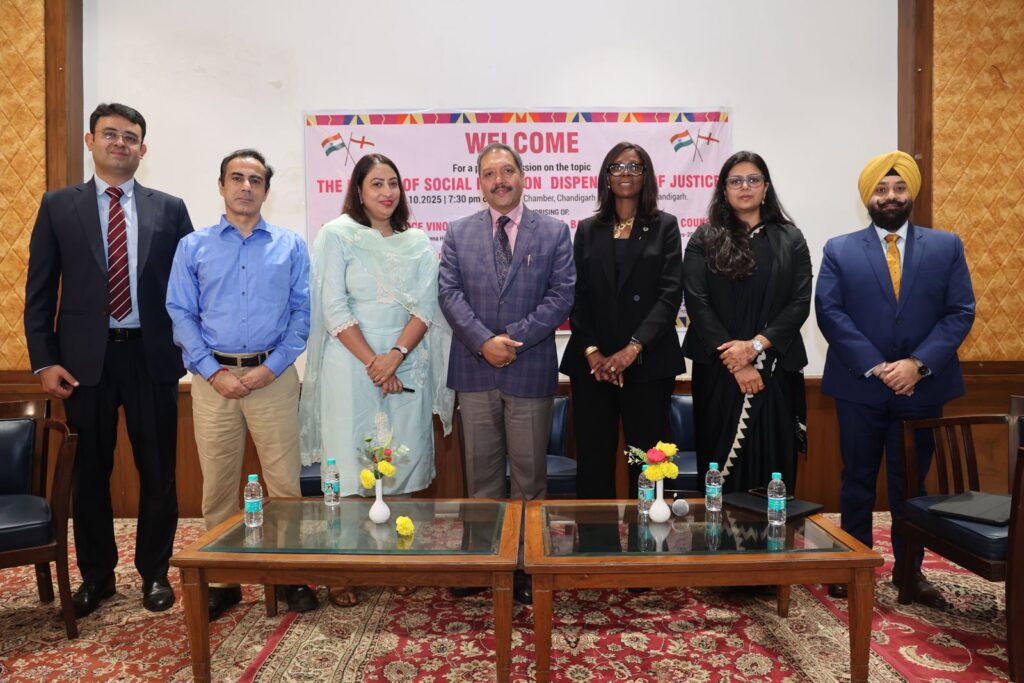
The distinguished panel comprised Hon’ble Mr. Justice Vinod S. Bhardwaj, Judge, Punjab & Haryana High Court; Ms. Barbara Mills (King’s Counsel), Chair of the Bar Council of England and Wales (2025); Ms. Bhumika Indulia, Founder and Editor-in-Chief of The Bar Bulletin; and Mr. Arvind Chhabra, Senior Journalist. The discussion was moderated by Ms. Sandhya Gaur, Advocate, Punjab & Haryana High Court.
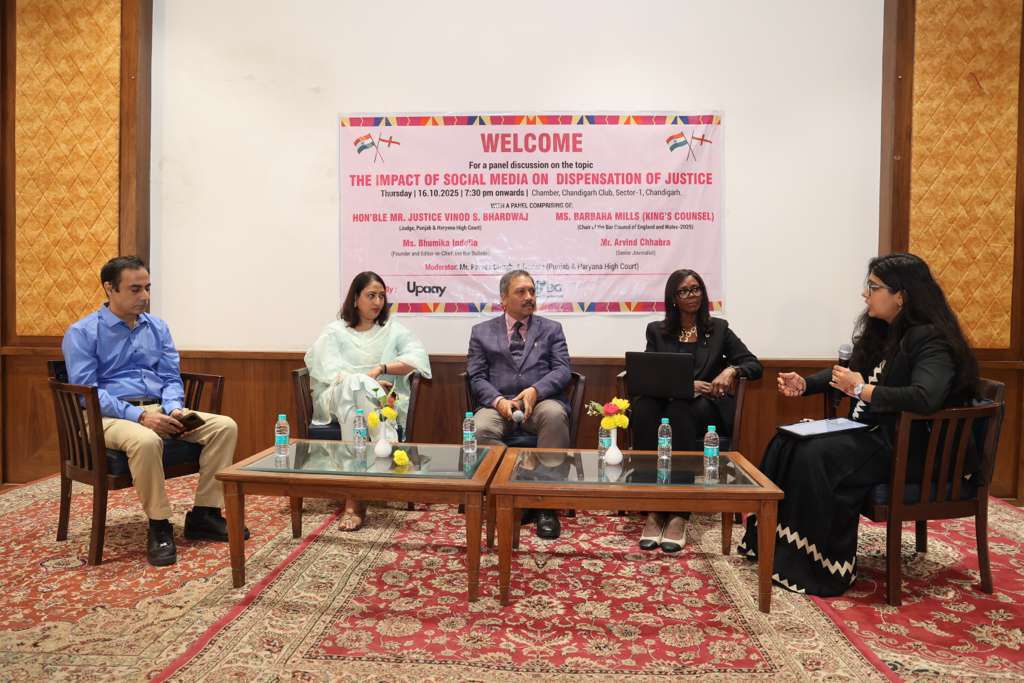
The panel engaged in a dynamic discussion on the growing influence of social media on judicial independence and the integrity of the justice system. The conversation centred on the need to strike a balance between amplifying voices through digital platforms and preserving the sanctity of judicial processes. The panellists also deliberated on whether specific guidelines should be framed to define the judiciary’s role in addressing social media commentary and instances of “media trial,” particularly in relation to ongoing cases. The discussion underscored that while the right to freedom of speech must be protected, reporting should always be verified and fact-checked, ensuring that the outcome of media coverage is awareness, not sensationalism.
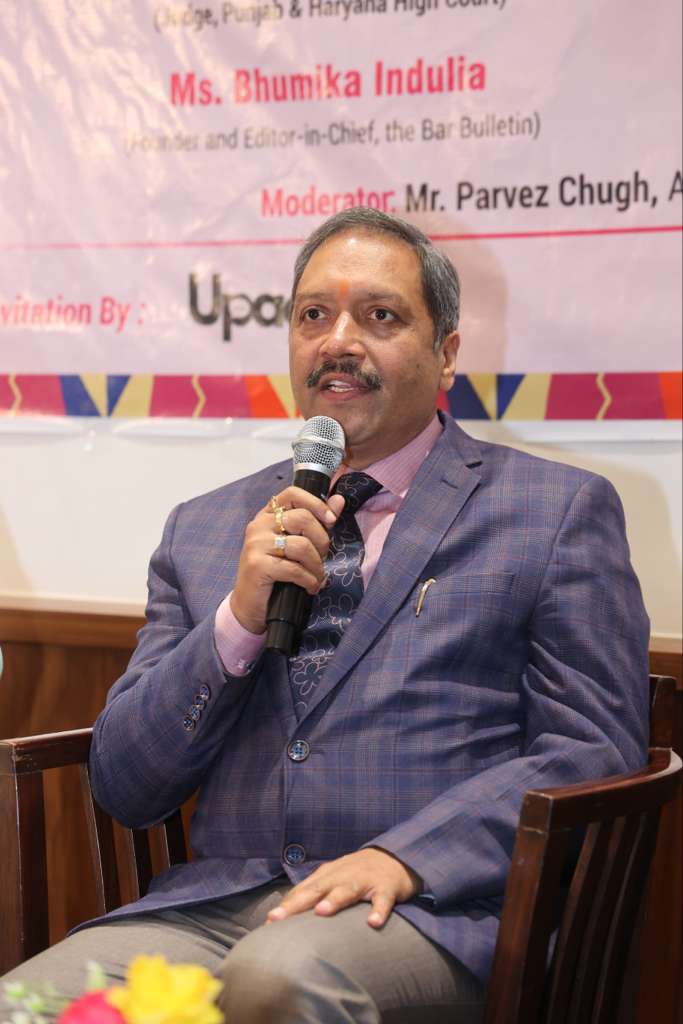
Justice Bhardwaj, in his remarks, emphasised the importance of balancing the right to free expression with the sanctity of judicial proceedings. He observed that while social media has enhanced access to legal information, it also risks blurring the line between public opinion and judicial independence. He further noted that the rise of digital discourse often leads to emotional outbursts overshadowing legal reasoning, and called for greater public education on how the judicial system truly functions.
Ms. Barbara Mills KC shared insights from the UK’s experience, highlighting how courts overseas are navigating the digital ecosystem while safeguarding the principles of a fair trial and due process. She emphasised the need for restraint in public criticism of judges, particularly in cases where such criticism lacks merit, and stressed that judicial independence must be preserved through measured and informed discourse.
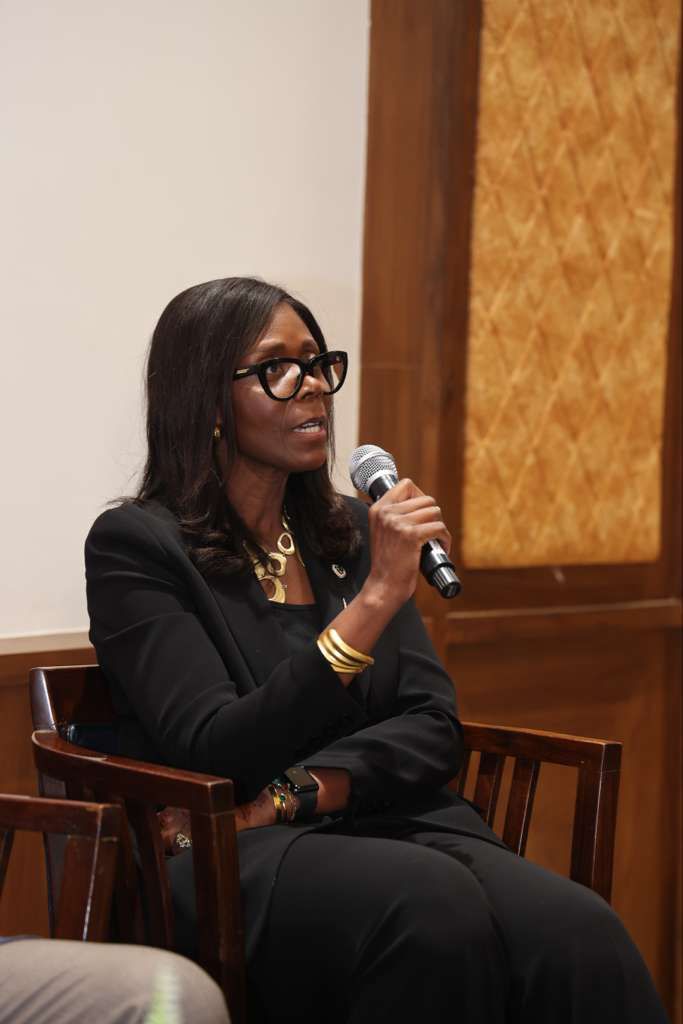
Ms. Bhumika Indulia reflected on the evolving role of legal journalism on social media and the heightened responsibility of digital media to ensure informed and verified reporting. She observed that while postponement orders may sometimes be essential in cases prone to media trials, such orders must be exercised sparingly to maintain the balance between Article 19(1)(a) and Article 21. She further noted that the role of the media is not only to inform but to engage and inspire constructive, responsible dialogue.
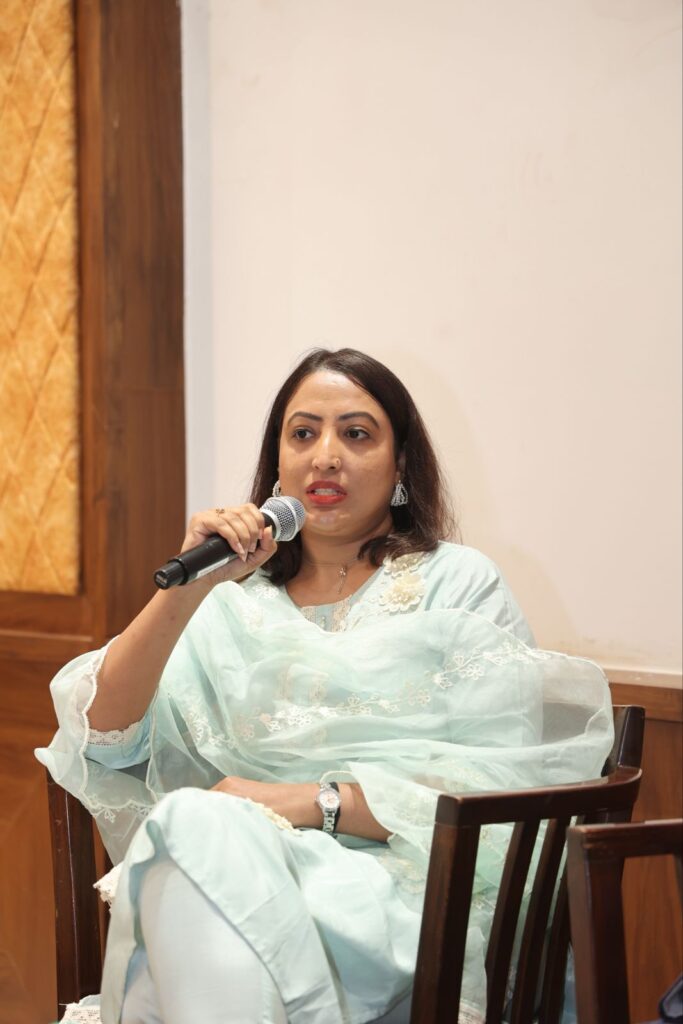
Mr. Arvind Chhabra underlined how the growing influence of the media demands introspection and ethical sensitivity in covering ongoing legal matters. He emphasised adherence to journalistic ethics and legal parameters and pointed out that, in the digital age, anyone can comment on judicial proceedings without fully understanding their nuances. He concluded by calling for regular workshops and training sessions to equip journalists with the knowledge required for accurate and responsible reporting.
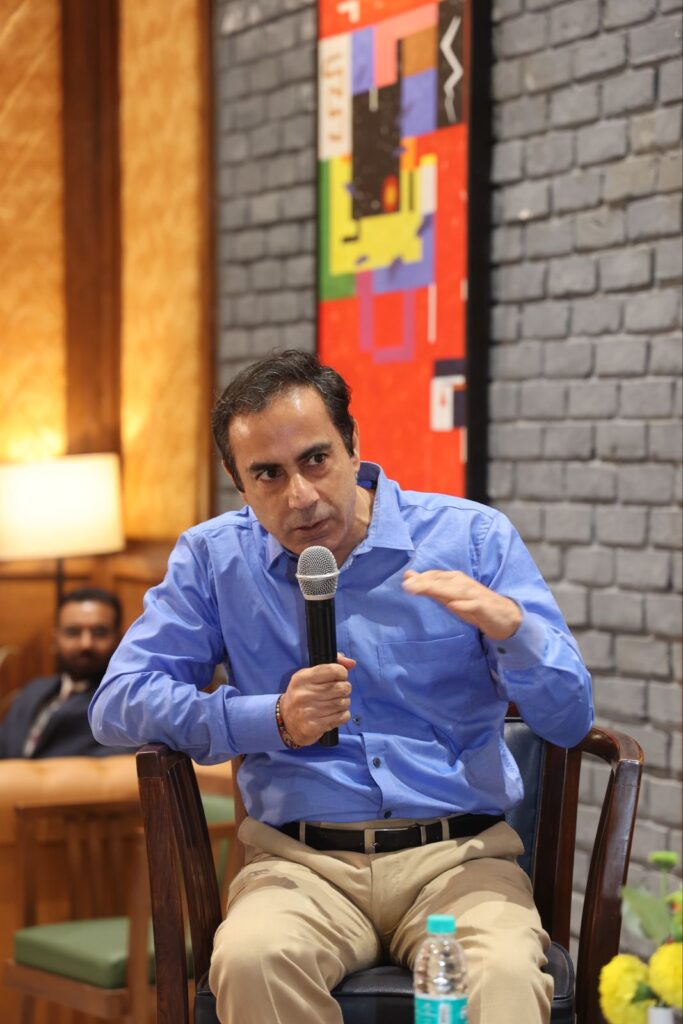
The event was organised by Upay and BG (Bansal & Gaur) and concluded with a vote of thanks by Mr. Vivek Saini, Additional Advocate General, State of Haryana, who expressed gratitude to the distinguished panel and attendees for contributing to a meaningful and balanced dialogue.