


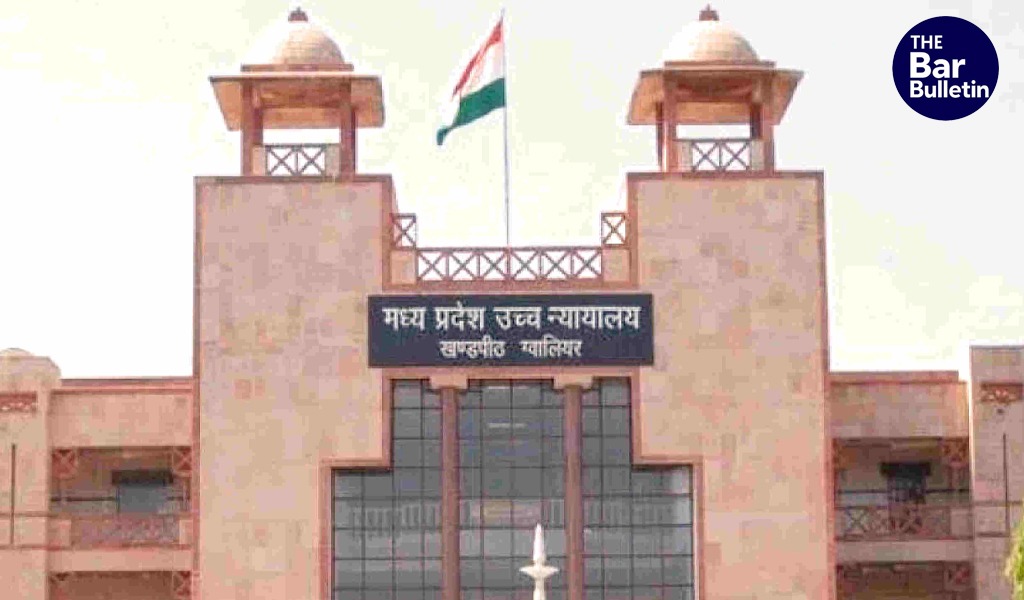

The Madhya Pradesh High Court, Indore Bench, has passed interim directions related to the water contamination tragedy of Bhagirathpura (Ward No.11 of Indore Municipal Corporation), which allegedly resulted in serious illness and casualties. Treating the issue as a public health emergency, the Court held that the right to life under Article 21 of the Constitution includes the right to clean and safe drinking water, and found prima facie lapses on the part of the State and municipal authorities.
The petitions alleged the administration of serious negligence and mismanagement when it comes to Indore’s drinking water system. Residents had already complained, but nothing changed. No one acted to stop the problems, and that led to contaminated water running through the city’s pipelines and tanks. The petitioners also contend that even back in 2017 and 2018, tests from different parts of Indore showed the water wasn’t safe to drink. Still, the authorities ignored the warnings and did nothing to fix it.
The Division Bench comprising Justice Vijay Kumar Shukla and Justice Alok Awasthi noted that despite earlier directions passed on December 31, 2025, complaints persisted that contaminated water was still being supplied and that affected persons were not receiving adequate medical treatment. Emphasising that public authorities are constitutionally obligated to safeguard public health, the Court categorised the issues into immediate relief, preventive measures, accountability, disciplinary action, compensation, and long-term water safety planning.
The Court directed the State Government and the Indore Municipal Corporation to immediately supply safe drinking water through tankers/packaged water at government cost to the affected areas, stop use of contaminated sources, conduct health camps and medical screening, provide free treatment in government and empanelled private hospitals, and carry out water quality testing through NABL-accredited laboratories. The Court also ordered repair or replacement of pipelines, chlorination and disinfection protocols, installation of online water quality monitoring systems, and preparation of a long-term water safety plan for Indore city.
The High Court further directed the Chief Secretary of Madhya Pradesh to appear before it via video conferencing on the next date of hearing. Senior administrative and municipal officials were made personally responsible for ensuring strict compliance with the interim directions.
Appearances:
For the Petitioners – Senior Advocate Ajay Bagadia, along with Advocate Saily Purandare, Manish Yadav and Ritesh Inani
For the State – Additional Advocate General Rahul Sethi, with Government Advocate Aditya Garg and Advocate Rishi Tiwari.
