


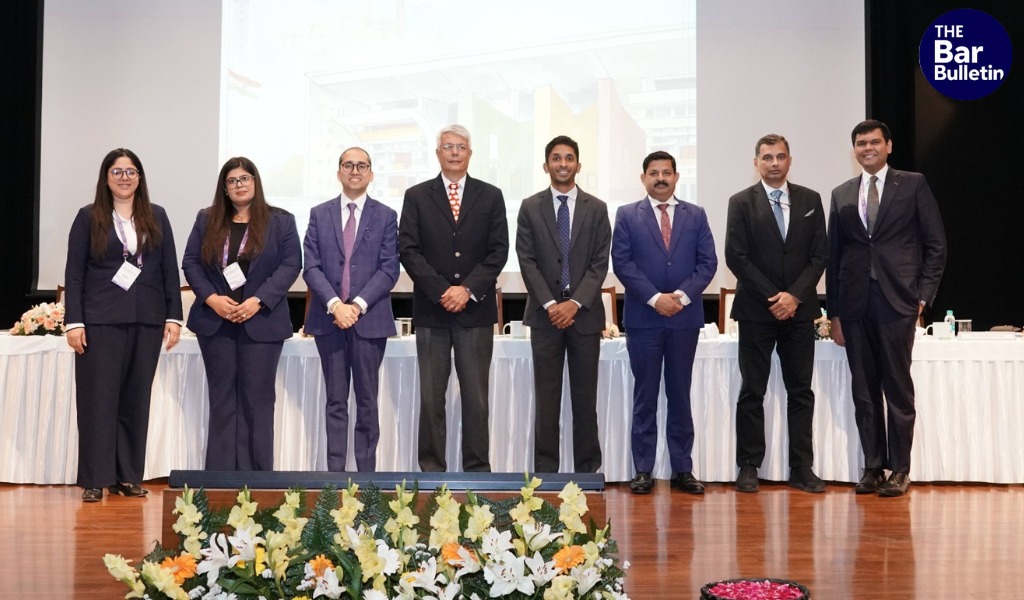
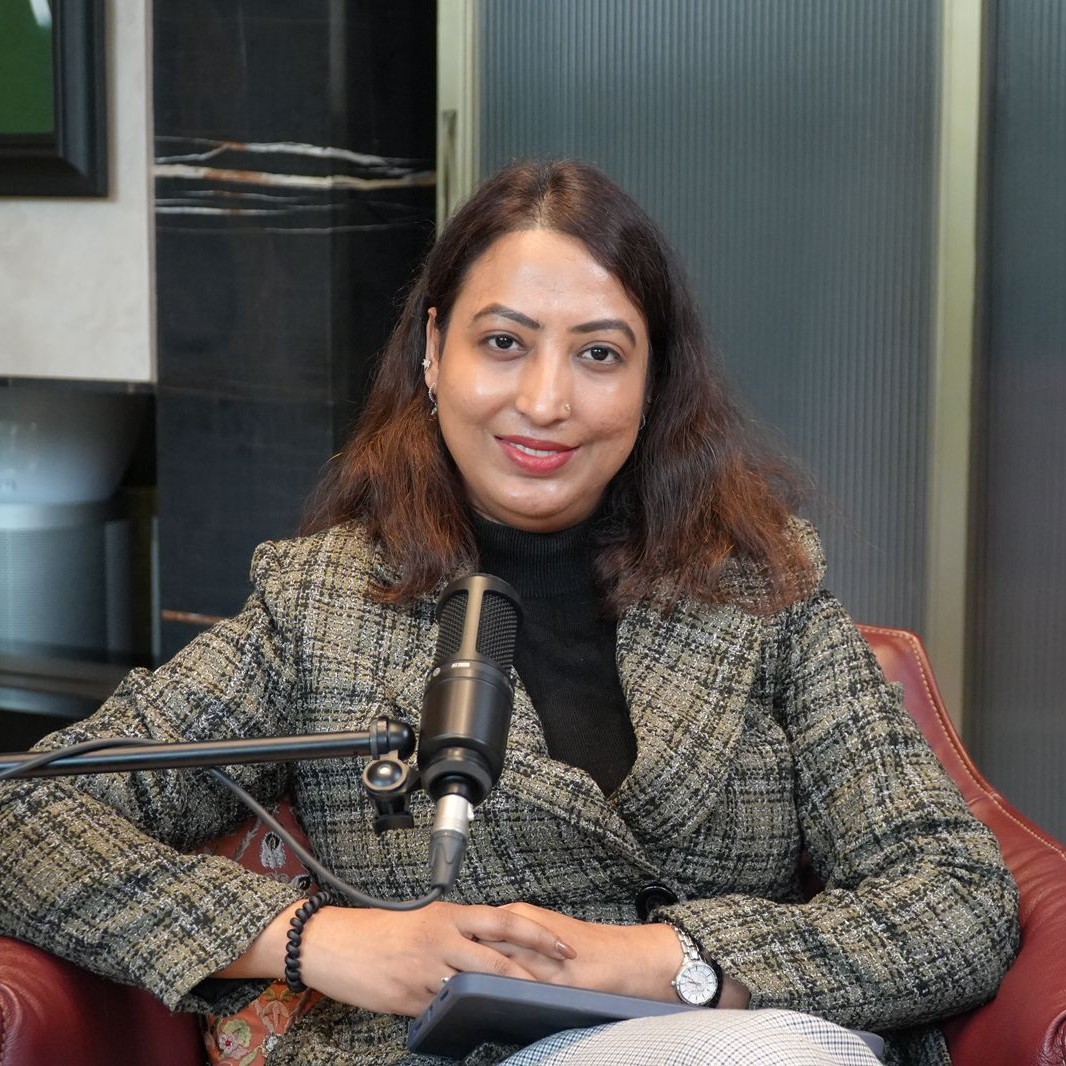
A panel discussion on “Institutional Arbitration v. Ad Hoc Arbitration” at the India International Disputes Week (IIDW) 2026 examined the evolving preferences of businesses and practitioners between institutional and ad hoc arbitration in India and globally. The session was moderated by Shruti Sabharwal, Partner (Dispute Resolution) at Shardul Amarchand Mangaldas & Co.
The panel brought together leading arbitration practitioners and institutional representatives including Sanjeev Sharma, Senior Advocate at the Punjab & Haryana High Court; Devna Arora, Deputy Head (South Asia) at the Singapore International Arbitration Centre (SIAC); Devathas Satianathan, Partner at Rajah & Tann Singapore LLP; A. J. Jawad, Registrar and CEO of the International Arbitration and Mediation Centre (IAMC); Siddhesh Pradhan, Principal Associate at JSA Advocates & Solicitors; Prof. Dr. Ulla Glaesser of the European University Viadrina Frankfurt (Oder); Navin Kumar Singh, CEO of the India International Arbitration Centre (IIAC); and Sahil Narang, Partner at Khaitan & Co.
Opening the discussion, Sahil Narang noted that while ad hoc arbitration continues to dominate many domestic disputes in India, the debate between institutional and ad hoc arbitration remains highly relevant. From a user’s perspective, he said, clients often question why they should incur additional administrative costs by opting for an institutional framework. However, Narang emphasised that institutional arbitration often provides greater clarity on costs, structured procedures and predictable timelines, which are not always guaranteed in ad hoc proceedings.
Devna Arora highlighted the advantages of institutional arbitration in the appointment of arbitral tribunals and case administration. She explained that institutions such as SIAC consider multiple factors before appointing arbitrators, including the complexity of the dispute, the parties’ nationalities, governing law and industry expertise. Institutional frameworks, she said, add a layer of oversight, diversity and neutrality, helping ensure that tribunals are appropriately constituted and proceedings move forward efficiently.
She also noted that arbitration institutions play an important role in diversifying arbitrator appointments, citing data showing increasing participation of women arbitrators and the use of streamlined procedures that create opportunities for newer arbitrators.
Discussing the Indian context, Siddhesh Pradhan observed that awareness about institutional arbitration remains relatively low among domestic businesses, particularly promoter-driven companies and smaller enterprises. While multinational corporations typically favour institutional arbitration, persuading domestic parties to adopt institutional mechanisms often requires explaining the benefits of structured procedures and administrative oversight.
Navin Kumar Singh, CEO of the India International Arbitration Centre (IIAC), pointed out that delays in ad hoc arbitration often arise at the very first stage, the appointment of arbitrators. In many cases, disputes over appointments lead parties to approach courts under Section 11 of the Arbitration and Conciliation Act, resulting in delays that can extend for months or even years. Institutional arbitration, he noted, addresses this problem by providing a clear and efficient appointment mechanism.
From an international perspective, Devathas Satianathan explained that jurisdictions such as Singapore have long embraced institutional arbitration. He observed that institutions can also help address procedural tactics sometimes used by parties to delay proceedings, including disputes over arbitrator appointments or challenges to tribunal members. Institutional oversight, he said, helps ensure that such issues are addressed quickly and fairly.
Sanjeev Sharma, Senior Advocate at the Punjab & Haryana High Court, acknowledged that while institutional arbitration offers advantages in terms of transparency and efficiency, ad hoc arbitration continues to have relevance, particularly for smaller disputes where parties may prefer greater procedural flexibility. However, he stressed that for India to strengthen its position as a credible dispute resolution destination, institutional dispute resolution mechanisms must be actively promoted.
Highlighting innovations within institutional frameworks, A. J. Jawad, Registrar and CEO of the International Arbitration and Mediation Centre (IAMC), spoke about the role of institutional oversight in improving the quality of arbitral awards. He explained that many institutions review draft awards through internal scrutiny processes that identify inconsistencies or procedural issues before the award is issued, thereby enhancing enforceability and credibility.
Prof. Dr. Ulla Glaesser emphasised the importance of developing a broader arbitration ecosystem, including transparent processes, professional training and institutional capacity building, to support the growing demand for cross-border dispute resolution.
Summing up the session, moderator Shruti Sabharwal observed that both ad hoc and institutional arbitration will continue to coexist in India’s dispute resolution landscape. However, as commercial disputes become more complex and international in nature, institutional arbitration is likely to play an increasingly important role in ensuring efficient, transparent and credible dispute resolution.