


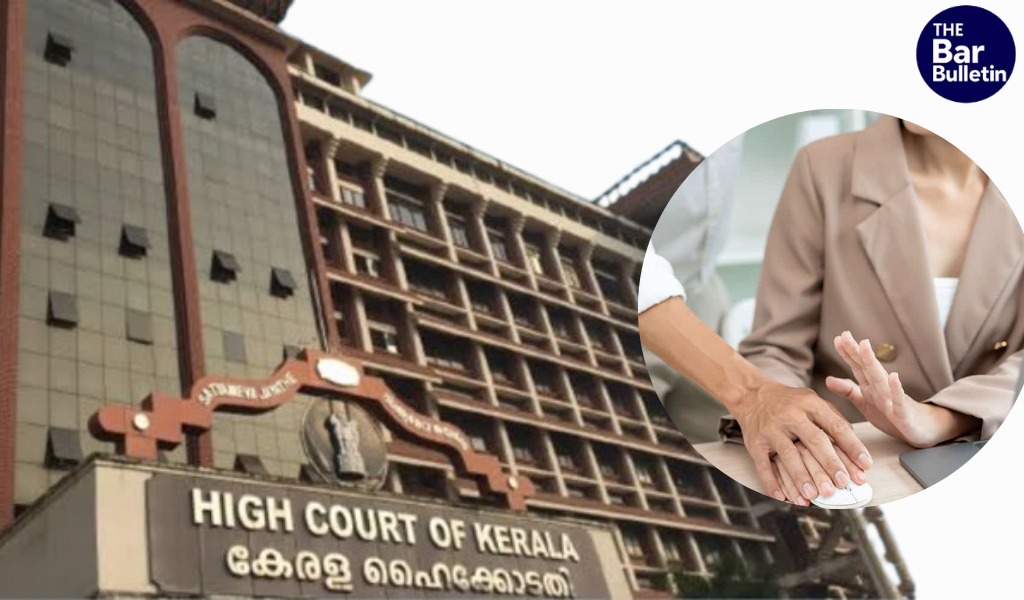

The High Court of Kerala has notified the Gender Sensitisation & Sexual Harassment of Women (Prevention, Prohibition and Redressal) Regulations, 2026, which will come into force from March 23, 2026. The notification, published in the Kerala Gazette, establishes a comprehensive mechanism to prevent and address sexual harassment within the High Court precincts.
The Regulations recognise sexual harassment as a violation of fundamental rights under Articles 14, 15, 19, and 21 of the Constitution and draw from landmark rulings such as Vishaka v. State of Rajasthan and Medha Kotwal Lele v. Union of India. They define sexual harassment broadly, covering physical, verbal, and non-verbal conduct, including unwelcome advances, sexually coloured remarks, stalking, and hostile work environment.
A key feature of the framework is the constitution of the Gender Sensitisation and Internal Complaints Committee (GSICC), comprising judges, senior advocates, women representatives, and external members with expertise in gender justice. The Committee is tasked with handling complaints, conducting inquiries through Internal Sub-Committees, and recommending action to the Chief Justice.
The Regulations provide a structured complaint mechanism, requiring complaints to be filed within three months (extendable), with inquiries to be completed within 90 days. The Chief Justice is empowered to pass final orders, including penalties, debarment from court premises, or recommending criminal or disciplinary action. Confidentiality of proceedings and protection of the aggrieved woman’s identity are strictly mandated.
The framework also emphasises preventive measures such as awareness programmes, gender sensitisation initiatives, and institutional accountability, aiming to ensure a safe, dignified, and gender-just working environment within the High Court premises.
Duties of GSICC (Key Responsibilities):
• Ensure a safe working environment within the High Court precincts.
• Display penal consequences of sexual harassment and committee details prominently and on the website.
• Publish status and outcomes of complaints (without disclosing identity).
• Conduct regular workshops, awareness, and sensitisation programmes.
• Provide necessary support and facilities to Internal Sub-Committees for inquiry.
• Assist in securing attendance of respondents and witnesses.
• Facilitate collection of relevant information for inquiries.
• Initiate action under applicable criminal laws, including the Bharatiya Nyaya Sanhita, 2023 where required.
• Monitor timely submission of inquiry reports.
• Take additional steps to ensure effective implementation of the Regulations.
GOVERNMENT OF KERALA Click here