


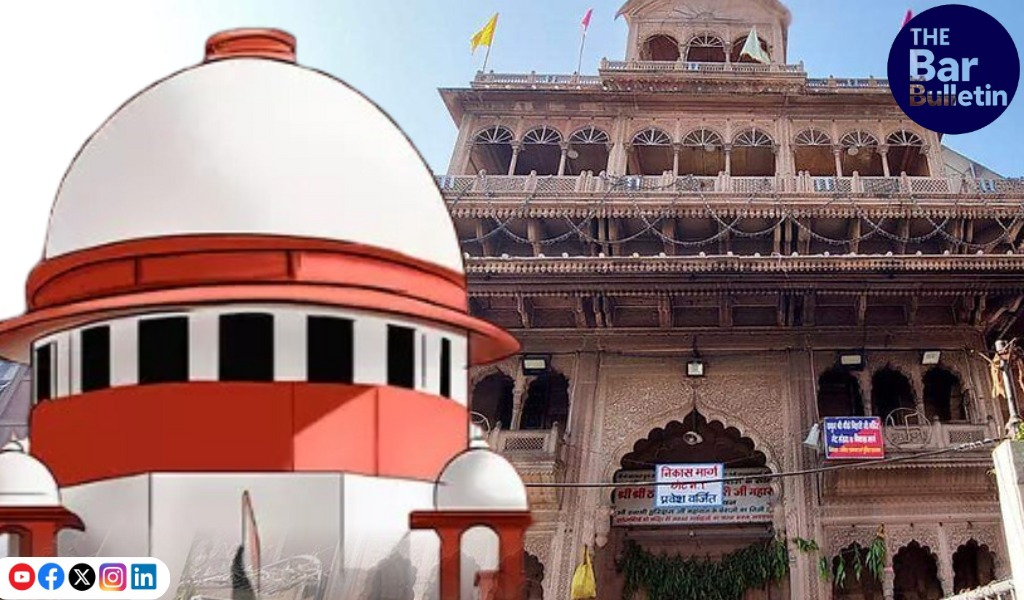

The Supreme Court, hearing a plea concerning changes in temple darshan timings, was informed that the timing of opening and closing of the temple is an intrinsic part of its religious rituals and long-standing traditions. Appearing before a Bench led by the Chief Justice of India, senior advocate Shyam Divan submitted that the temple has historically followed strict seasonal timings distinct schedules for summer and winter which were closely intertwined with internal rituals, including the waking and resting of the deity.
Senior Counsel argued that recent changes in timings, effected pursuant to office memoranda issued in August and September 2025, have disrupted not only public darshan hours but also core internal rituals performed within the temple, such as morning and night ceremonies and the period of rest for the deity during the day. Emphasising the unique and sacrosanct nature of the temple, he contended that its timings cannot be equated with flexible opening hours of other temples, as they are rooted in tradition and religious purpose.
Addressing concerns flagged by the Bench regarding crowd management and the possibility of preferential or paid darshan during periods when the temple is otherwise closed, Senior Counsel submitted that there was no material complaint of such malpractice and that any apprehension in this regard could be addressed through appropriate safeguards. He stressed that balancing devotee access with safety concerns like overcrowding or stampede risks is a separate issue, for which specific directions could be framed without altering ritual timings.
Senior Counsel also highlighted the discontinuation of the age-old “Deri Pooja”, performed exclusively by the Goswamis as part of the Guru–Shishya parampara, arguing that its suspension on grounds of crowd management was unfounded since the ritual is performed when the temple is closed to the public and at a limited, specific location.
The Court indicated that the issues raised require sensitivity given the nature of the temple and its practices. After hearing the submissions, the Bench directed that relevant parties, including the temple management committee, be served notice and listed the matter for further consideration in the first week of January.
The temple Sevayats are represented through Mr. Shyam Divan, Senior Advocate and Ms. Tanvi Dubey Advocate.