


LegalPay organised Funding the Fight, a practitioner-led webinar on how litigation funding operates in practice across high-value commercial disputes and arbitrations. The session, held on 15 March 2026, was moderated by Mr. Prabhpreet Singh.
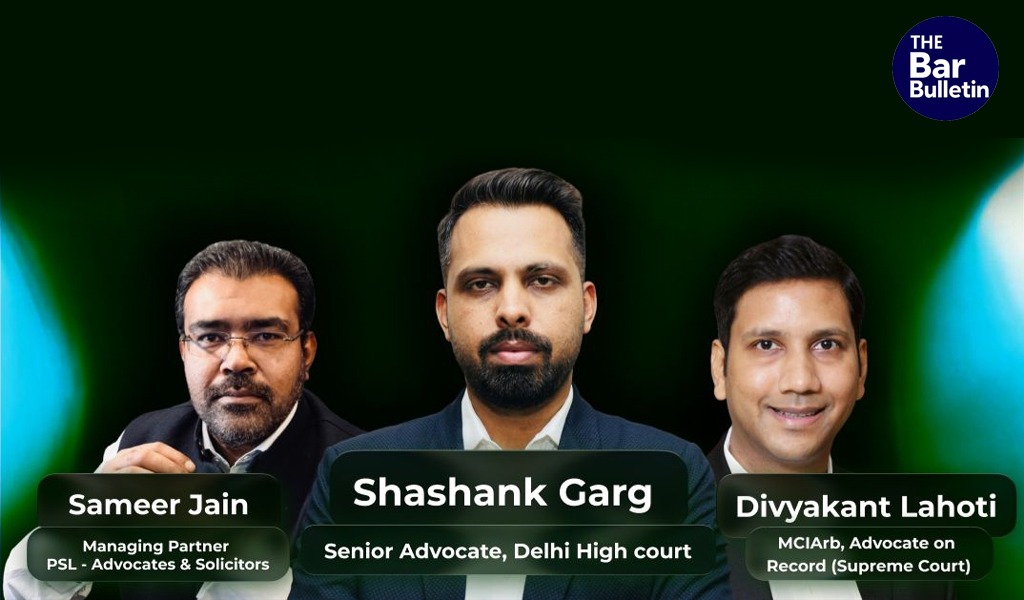
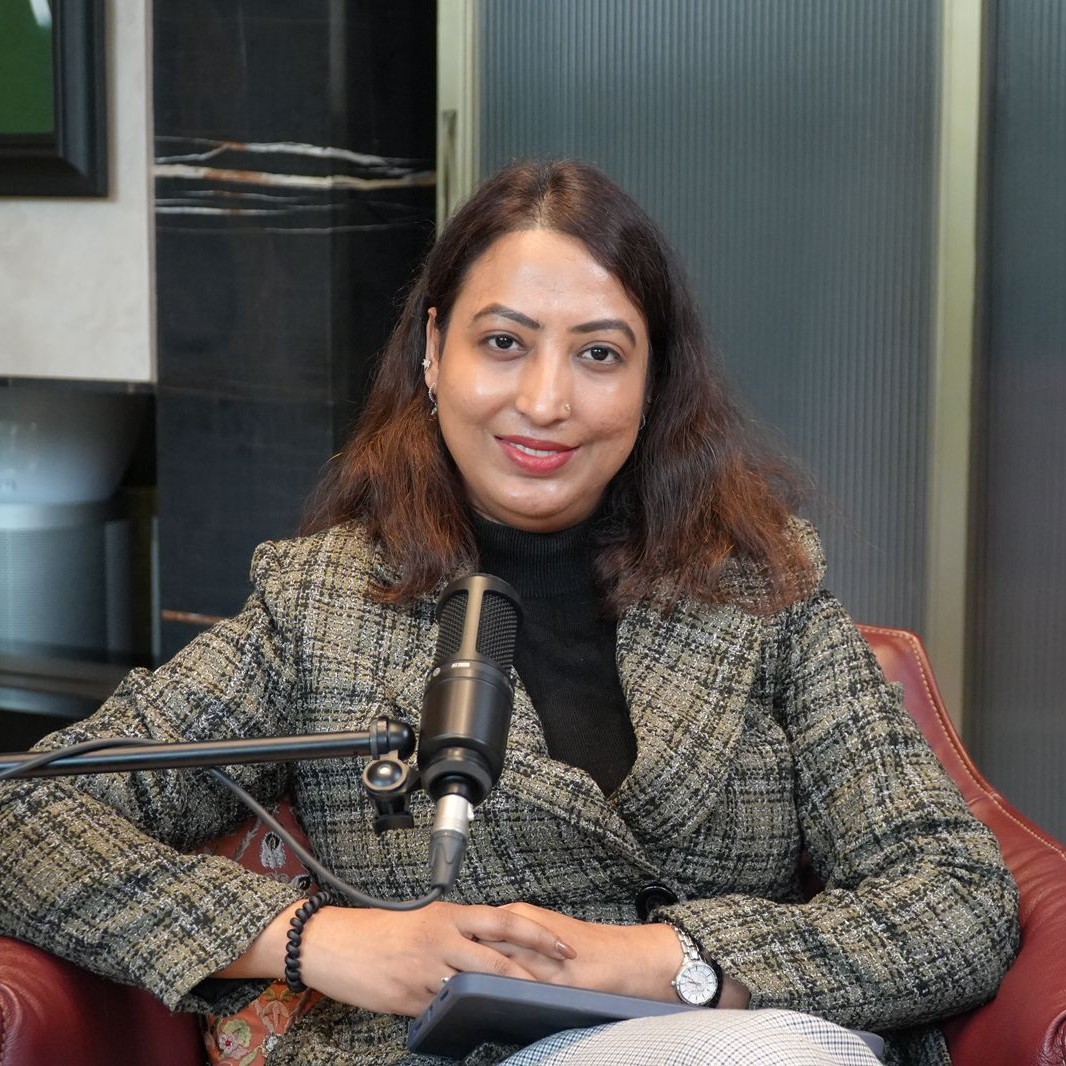
The panel comprised Mr. Shashank Garg, Senior Advocate, Arbitrator, and Chair of the ICC International Court of Arbitration in India, who represented the third-party funder in the landmark Tomorrow Sales Agency v. SBS Holdings judgment; Mr. Divyakant Lahoti, Advocate-on-Record before the Supreme Court of India, specialising in commercial arbitration and a key figure behind the Arbitration Bar of India; Mr. Sameer Jain, Founding and Managing Partner of PSL Advocates & Solicitors, and Ms. Amrita Grover, Vice President – Litigation Funding at LegalPay, with over a decade of experience as a practising counsel.
What Was Discussed
The session covered a wide range of topics spanning the legal framework of third-party funding in India, court and client receptivity, the global positioning of India’s TPF market, how funders structure their returns, and the regulatory developments needed for the ecosystem to mature.
Ms. Amrita Grover set the context by noting that while third-party funding has long existed in principle under Indian law, its structured and institutional form is only now gaining momentum. She emphasised the non-recourse character of modern funding agreements, where the claimant owes nothing if the case fails, as the defining feature that distinguishes litigation funding from conventional debt.
Mr. Shashank Garg provided detailed understanding on the landmark Tomorrow Sales Agency judgment, which he successfully argued before the Delhi High Court. He explained that a funder, who is neither party to the arbitration agreement nor the proceedings, cannot be fastened with liability for adverse cost awards under the Arbitration and Conciliation Act, 1996.
Mr. Sameer Jain observed that there is growing receptivity among Indian courts toward litigation funding, particularly in high-value commercial disputes and IBC proceedings. He noted that the sophisticated corporates and insolvency professionals are beginning to view TPF as a strategic tool.
Mr. Divyakant Lahoti addressed why arbitration is a more favourable arena for litigation funders compared to court-based litigation. He noted that arbitration offers predictability in timelines, costs, and confidentiality, whereas court-based litigation in India is marked by heavy delays and multiple layers of appeals that make outcomes difficult to model. Crucially, he pointed out that an arbitral award is subject to only limited judicial challenge, making it a more predictable and ultimately more lucrative proposition for investors.
Ms. Grover walked the audience through LegalPay’s funding models: Cost-Funding, where the funder covers litigation costs in exchange for a percentage of recovery; Upfront Award Buyout, where the funder pays a lump sum for the right to enforce and collect the full award; and Upfront + Back-End Split, a hybrid model offering a fixed percentage of claim value upfront on signing (fully non-recourse), with enforcement costs covered by the funder and a pre decided split on recovery. She reiterated that all three models are fully non-recourse to the claimant.
Audience Engagement: Questions on Insolvency and Arbitration
The session drew active participation from the audience, with several questions submitted through the Q&A feature. Two themes dominated the audience’s interest, the role of litigation funding in the insolvency space, and its application in the arbitration sector, which made for a particularly engaging exchange.
On India’s positioning within the global arbitration funding landscape, Mr. Jain drew comparisons with the UK, Singapore, and Australia, noting that while India’s market is nascent, the sheer volume of pending disputes enormous latent demand. Mr. Garg noted that the Indian market for third-party funding is one to watch closely. He emphasized that as the ecosystem develops, the adoption of global best practices, potentially through industry-led self-regulation could play an important role in shaping a stable and credible framework for the sector in India.
On the question of which sectors attract funders, Ms. Grover identified infrastructure, construction, real estate, energy, and insolvency proceedings as sectors generating the highest volume of fundable claims.
Concluding Observations: Optimism on Growth
The session concluded on a strongly positive note. In their closing remarks, the panellists were unanimous in their assessment that the third-party funding industry in India is poised for significant growth.
The panellists expressed confidence that third-party funding in India would follow the same trajectory of institutional acceptance that it has in Singapore and the UK, noting that India’s arbitration reforms over the past decade have already demonstrated the government’s willingness to modernise the dispute resolution framework.