


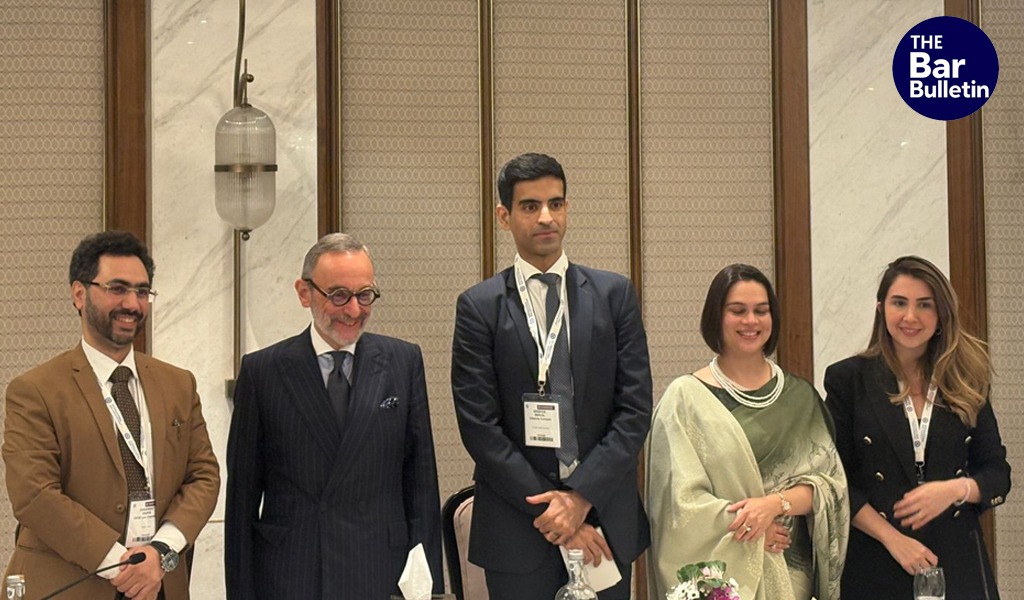

The Next Gen Legal Summit, hosted by the Young IBA Lawyers’ Committee, unfolded as a landmark gathering of emerging legal talent and internationally recognised legal experts, offering participants an intensive and thought-provoking exploration of oral advocacy, cross-examination, professional ethics, and emerging technologies. With sessions led by senior members of the International Bar Association (IBA), judges, practitioners and corporate counsel, the summit reinforced the IBA’s commitment to nurturing the next generation of globally competent, ethically grounded lawyers.
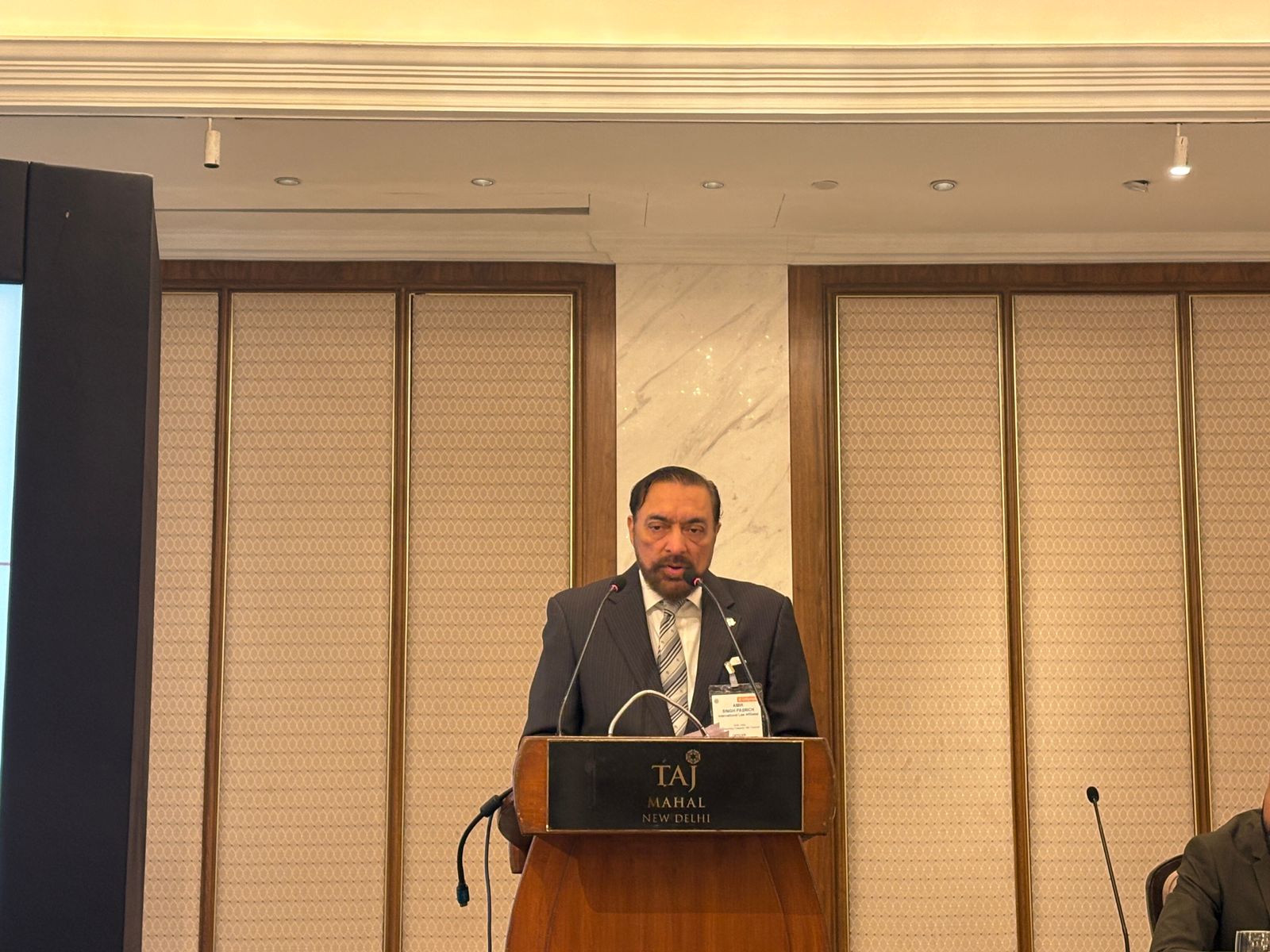
Mr Amir Pasrich, opened the proceedings by highlighting the immense global influence and unity of the International Bar Association, which today brings together legal professionals from more than 170 countries. Praising Justice Tejas Karia’s keynote address as “heart-breaking in its art and inspiring in its delivery,” Mr. Pasrich encouraged young lawyers to listen not just with attention, but with intent to reflect, absorb and internalise the deeper lessons of advocacy conveyed in the discourse.
In a major highlight of the summit, IBA President Jaimey Carey delivered a forward-looking address, outlining the organisation’s strategic commitment to shaping the future of the legal profession in an age of rapid technological change. He announced that the IBA is launching a comprehensive global initiative aimed at developing international standards and regulatory frameworks for artificial intelligence, following high-level consultations with leading AI scientists and experts from major technology companies, including Meta and Microsoft.
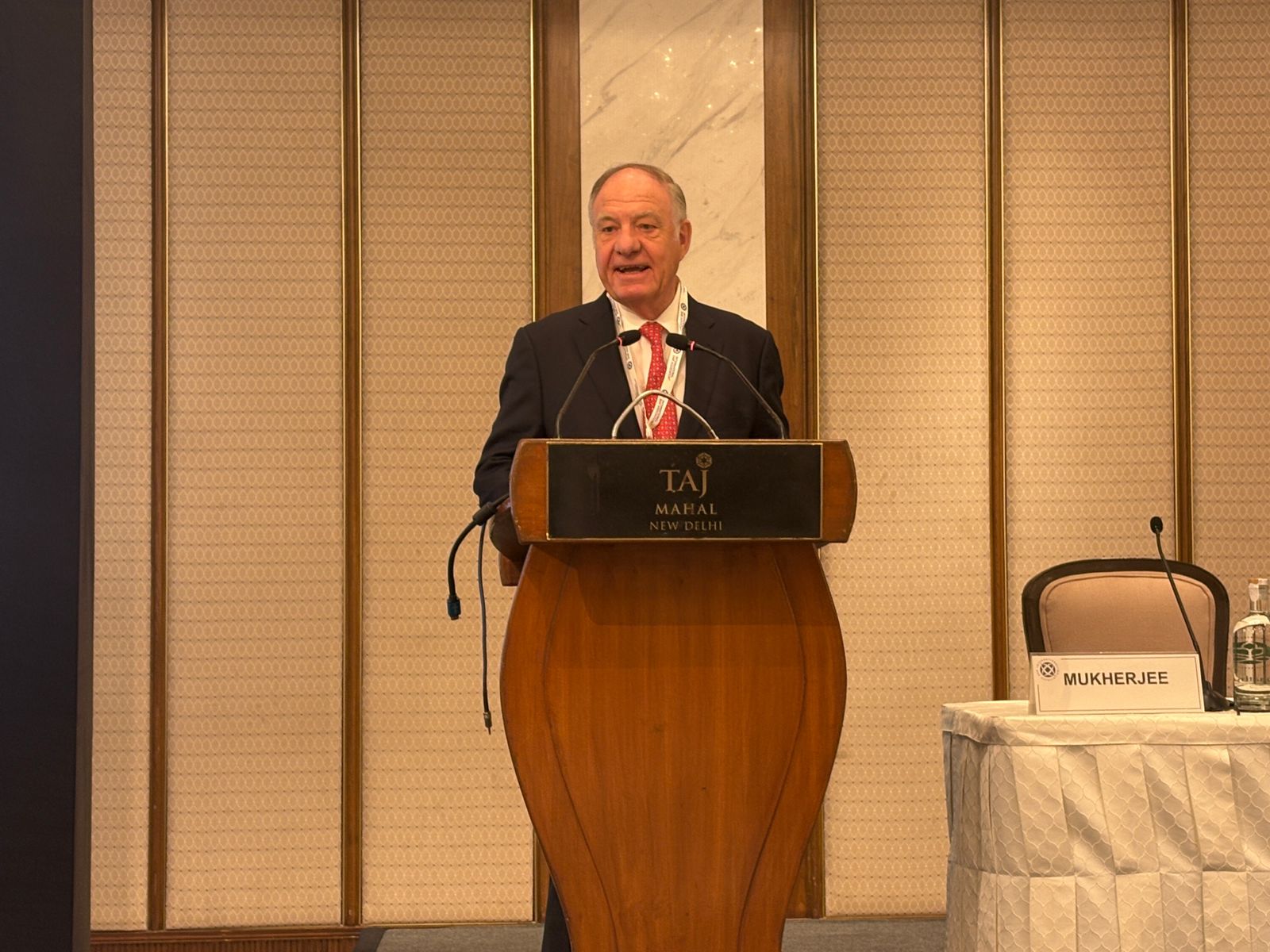
“With nearly 190 bar associations, over 350 leading law firms, and close to 100,000 individual members worldwide, the IBA is uniquely positioned to guide how AI integrates with law and justice,” Carey stated. He confirmed that the initiative would involve long-term investment, the engagement of technical experts, and collaboration across multiple jurisdictions and practice areas over the next five to ten years.
Reflecting on more than four decades of his association with the IBA, Carey highlighted the organisation’s extraordinary growth from gatherings of just a few hundred delegates to global conferences that now draw between 5,000 and 7,000 participants. He emphasised that a central priority of the IBA is to strengthen its engagement with emerging legal markets, particularly in Asia and Africa. Praising India’s remarkable development, he remarked, “The transformation in India’s legal and economic landscape is absolutely spectacular. Indian lawyers today are among the most respected legal minds in the world.” He added that in addition to professional development, one of the IBA’s greatest achievements has been its ability to foster enduring international relationships and friendships within the global legal community.
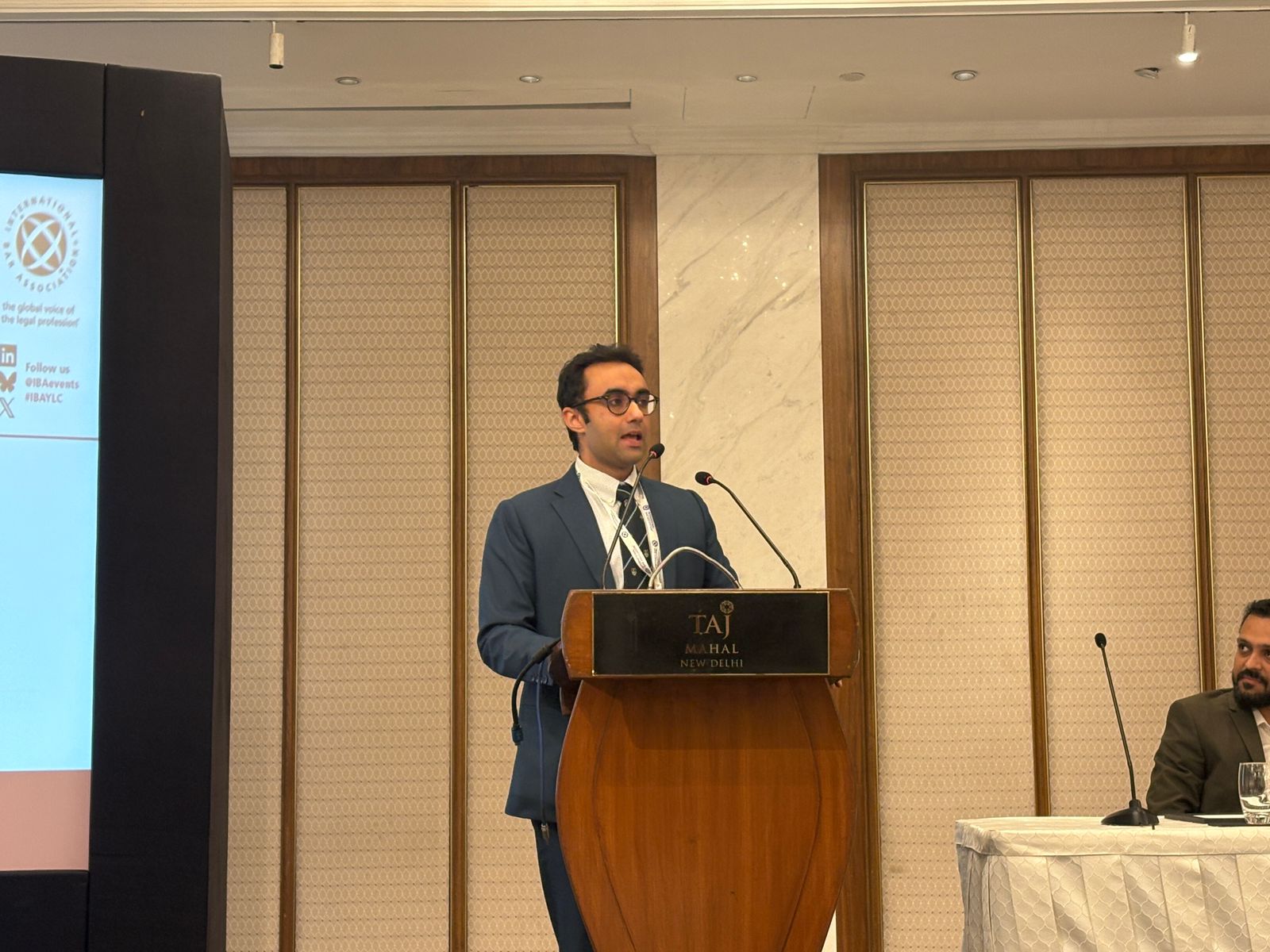
Arush Khanna, co-organiser of the summit, delivered the concluding address for the session, expressing heartfelt gratitude to all speakers, attendees, partners and volunteers who made the event possible. Reflecting on the months-long journey of conceptualising and coordinating the summit, he described it as “an adventurous attempt at curating a one-of-its-kind training program under the auspices of the IBA,” driven by a shared vision to empower young lawyers with practical skills and global exposure.
Panel 1
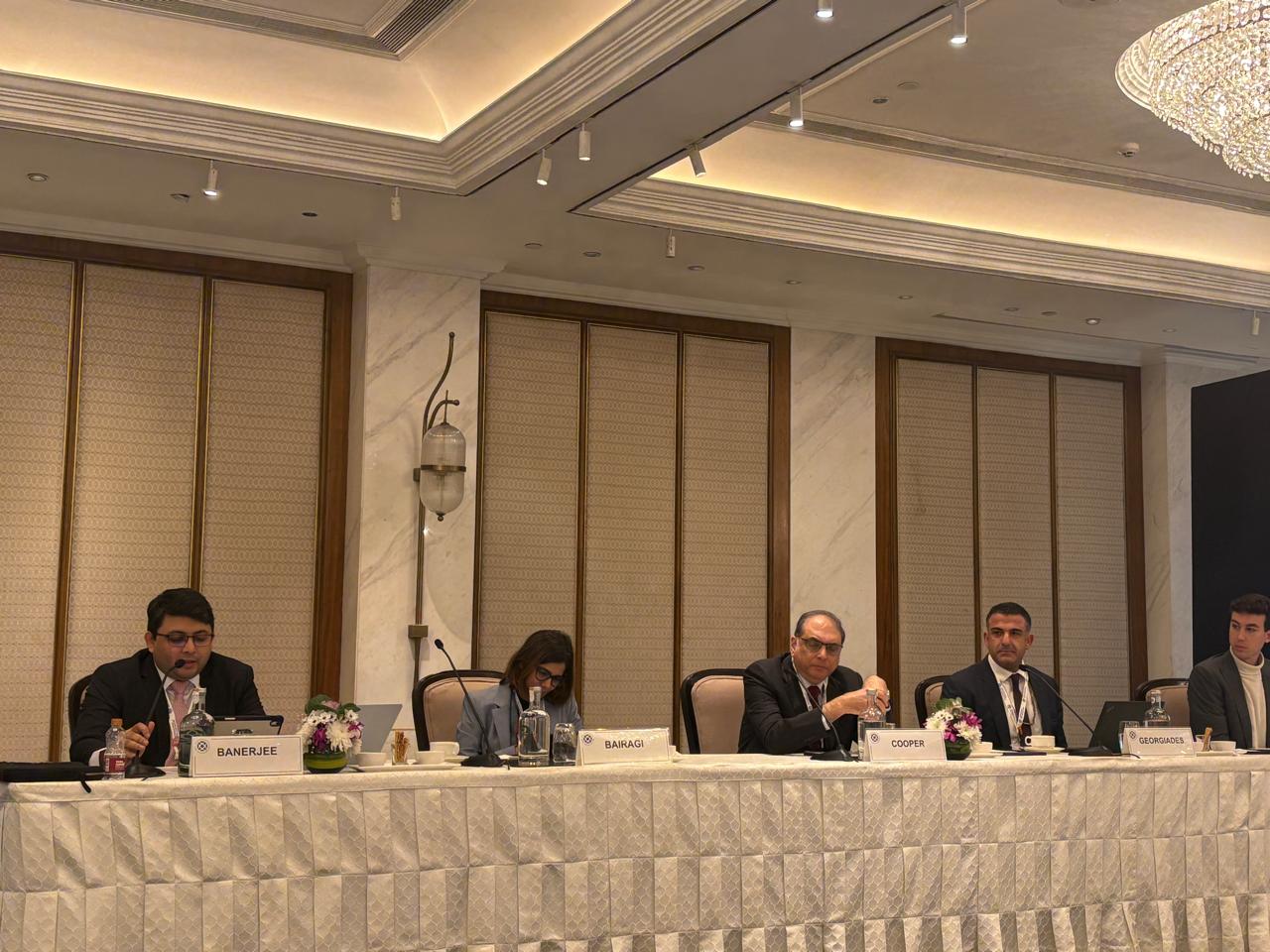
The first panel discussion, moderated by Alipak Banerjee, Treasurer of the IBA Professional Ethics Committee and founder of Alipak Banerjee Law Chambers, New Delhi, brought together a distinguished group of legal practitioners: Soli Cooper, Senior Advocate; Agis Georgiades; Abhisar Bairagi, and Arno Janssens. The panel focused on the essential elements of effective advocacy in both domestic and international contexts.
Soli Cooper emphasised that advocacy is, at its core, an art of persuasion rooted in simplicity, clarity and preparedness. He highlighted the enduring relevance of Aristotle’s three pillars : Logos (logic), Ethos (credibility) and Pathos (emotional connect) and explained that the best advocates are those who can simplify complex arguments into a clear, coherent narrative that the court can easily follow. He further stressed the importance of ethical conduct, understanding one’s audience and recognizing vulnerabilities in one’s own case to pre-emptively address them.
Agis Georgiades provided insights from his extensive involvement in international arbitration, highlighting the importance of efficiency, procedural awareness and tailoring advocacy to the expectations of different tribunals. He illustrated how varying approaches, such as time-restricted hearings and structured evidence exchange, can significantly influence outcomes, underscoring the need for adaptability and contextual intelligence in global legal practice.
Abhisar Bairagi spoke about strategic case preparation, focusing on the importance of knowing not only one’s own case but also the opponent’s case equally well. She emphasised that effective advocacy requires mastery of facts, evidence, and legal principles, combined with the ability to present arguments in a manner that is concise, logical and persuasive.
Arno Janssens added a comparative perspective by discussing the nuances of cross-jurisdictional advocacy, highlighting the differences between civil and common law systems and the importance of tailoring one’s approach to the procedural and cultural context of the adjudicating forum.
Panel 2
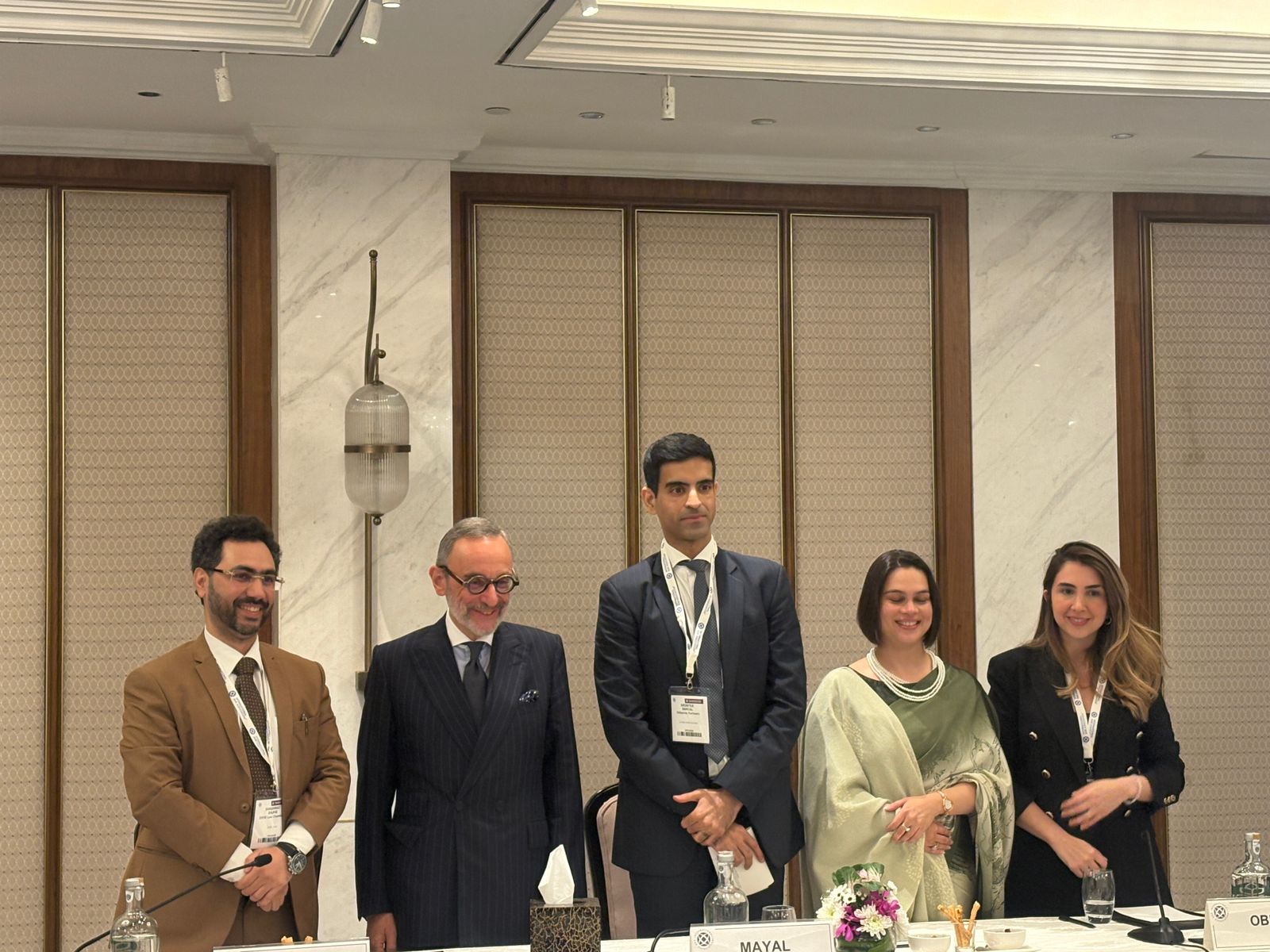
The panel session, moderated by Shashwat Bajpai centred on advanced techniques in cross-examination and witness handling. The panel featured Justice Michael Black KC of the DIFC Courts Court of Appeal, Montek Mayal of Osborne Partners, Mehak Oberoi, Legal Head (Hydro – APAC) at GE Vernova, and Rana Sebaly of White & Case, Dubai.
Justice Michael Black KC articulated that effective cross-examination is rooted in simplicity and precision, describing it as “the art of asking simple questions to get complicated witnesses to give simple answers.” He cautioned that over-questioning, particularly in documentation-heavy cases, often proves counterproductive and can dilute the strength of a well-built case. He further highlighted the importance of distinguishing between fact witnesses and expert witnesses, treating oral testimony as a contextual complement rather than a substitute for documentary evidence, and always maintaining an ethical approach that appeals to the tribunal’s sense of justice.
Rana Sebaly reinforced the centrality of primary documents in both litigation and arbitration, noting that witness testimony is most persuasive when it clarifies uncertainties within written evidence. Mehak Oberoi discussed the strategic preparation required for both fact and expert witnesses, explaining that while fact witnesses must be guided to maintain credibility and consistency, expert witnesses must be carefully examined to test the strength of their assumptions and methodology. Montek Mayal emphasised clarity in communication and advocated for simplifying complex financial and technical information so that it can be easily understood and appreciated by the tribunal.
Panel 3
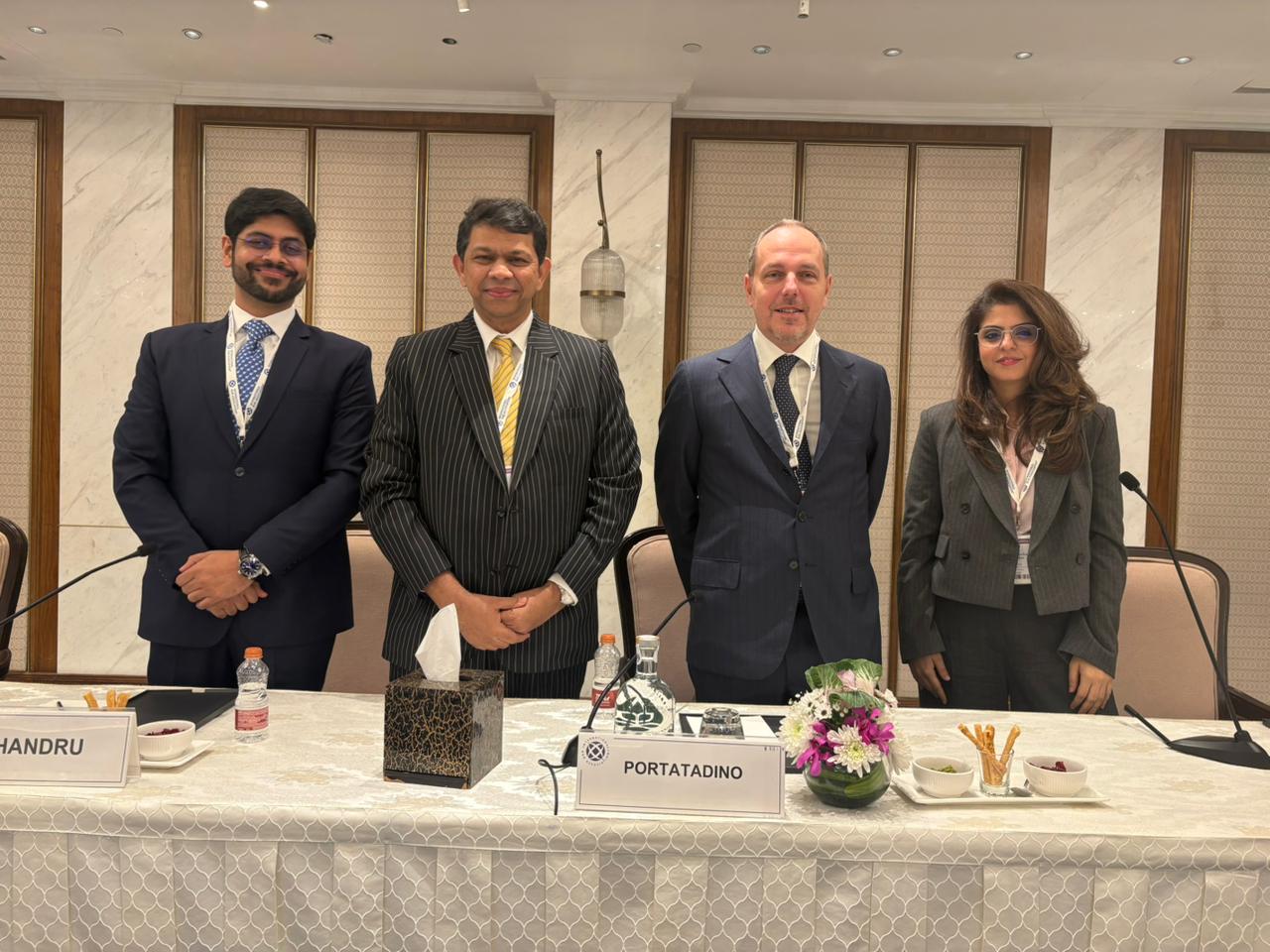
The summit concluded with a dynamic discussion on how artificial intelligence is redefining legal business development and practice. Speakers Gouri, Carlo and Ganesh Chandru shared practical insights into how AI is no longer merely a supportive tool, but a central force in transforming the way lawyers identify opportunities, engage with clients, streamline workflows and deliver strategic value. From simplifying complex tax advisory work and enhancing cross-border collaboration to amplifying litigation strategy built on decades of experience, the panel made it clear that the future of legal practice is already here powered by intelligence, innovation and intent.
Oindrella Mukherjee concluded the event with a vote of thanks