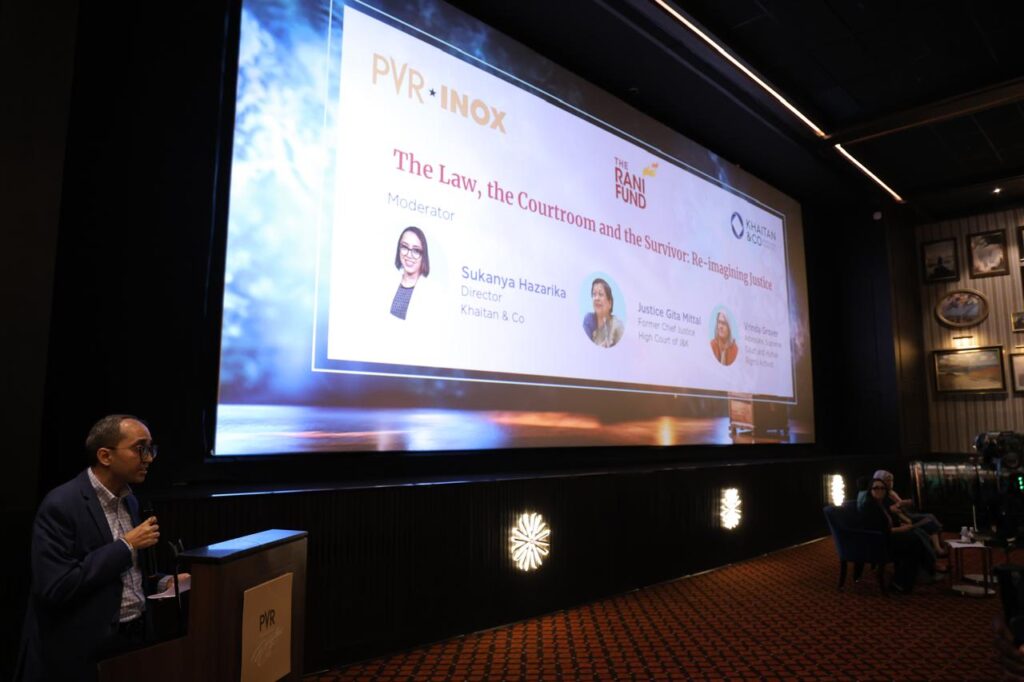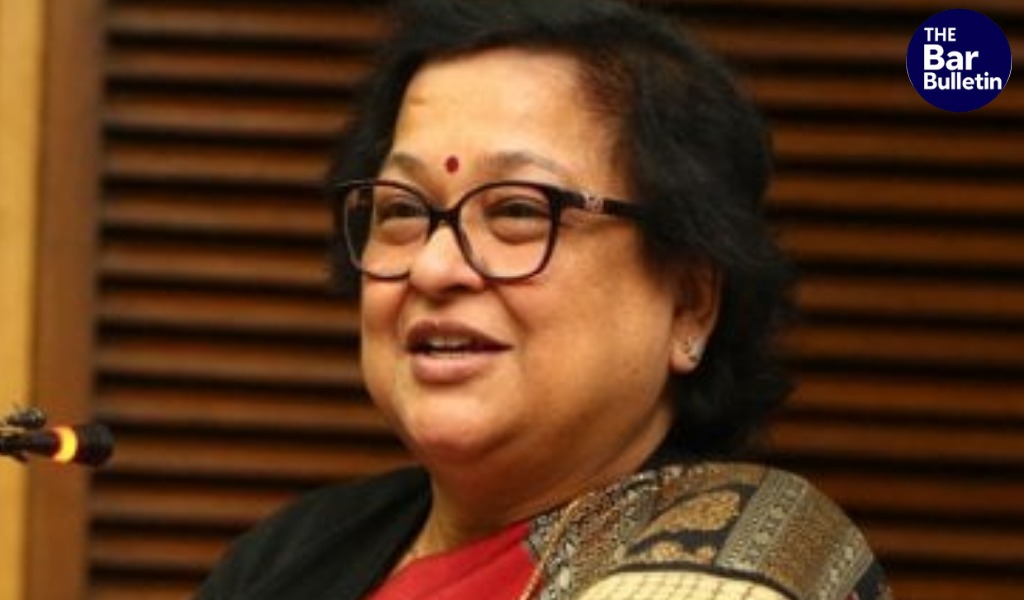

A panel discussion featuring Justice Gita Mittal (Retd.) and Advocate Vrinda Grover brought into sharp focus the systemic and societal challenges in addressing sexual violence, following a screening of the film Assi in New Delhi organised by Khaitan & Co.
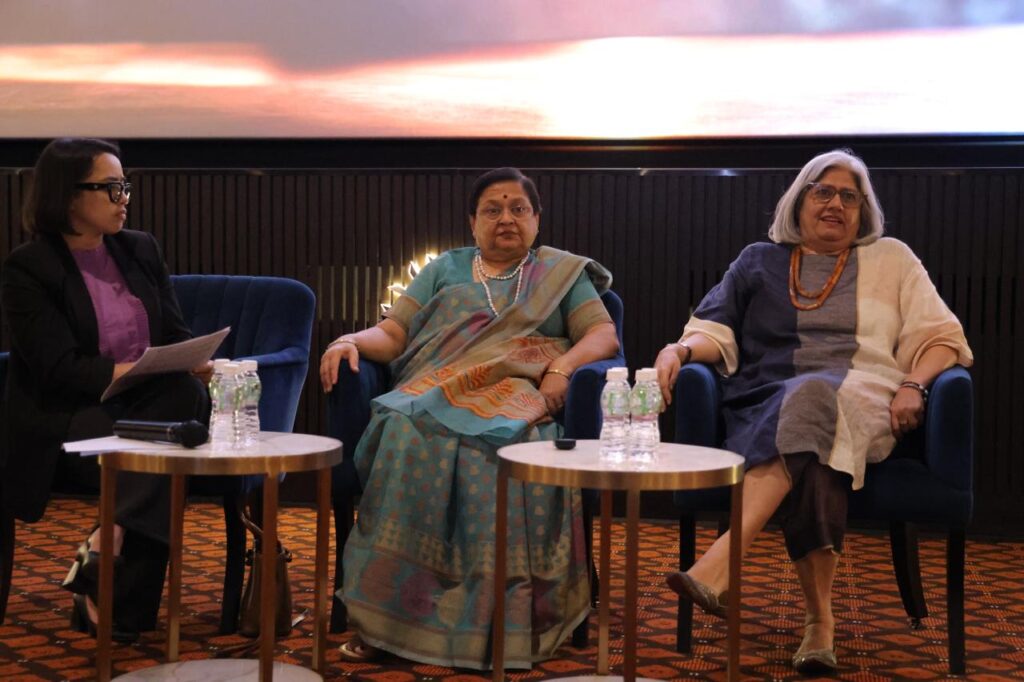
Justice Gita Mittal, drawing from her judicial experience, highlighted that even legally trained actors including police officers, magistrates, and judges often carry social biases that affect the handling of sexual offence cases.
Illustrating this, she recounted a case involving the rape of an eight-year-old child, where the incident was recorded in vague terms such as “galat kaam” and “buri harkatein.” She observed that such euphemistic recording reflects a deep discomfort in engaging with the realities of sexual violence, even among trained legal professionals.
She emphasised that such reluctance can have serious consequences, noting that deficiencies in recording and appreciating evidence may result in acquittals even in genuine cases. Justice Mittal remarked that access to courts does not necessarily translate into access to justice, particularly where victims are not adequately supported or empowered to testify.
Highlighting the trauma faced by survivors, she pointed out that victims are often subjected to intrusive and irrelevant questioning during trial, undermining their dignity and ability to depose effectively. She stressed the need for trauma-informed procedures, judicial sensitivity, and systemic reforms.

Justice Mittal also spoke about reforms such as vulnerable witness deposition centres aimed at ensuring privacy and dignity for survivors. She further questioned why compensation for victims should be borne solely by the State, suggesting that offenders should also be made accountable.
Advocate Vrinda Grover, speaking at the event, critiqued the tendency toward selective outrage and vigilante responses in cases of sexual violence. She cautioned that such reactions undermine the rule of law and fail to address deeper structural causes.
Referring to the 2019 Hyderabad case, she noted that public approval of extra-judicial killings forecloses the possibility of truth and accountability. She emphasised that society often externalises the problem of sexual violence instead of confronting its systemic roots.
Grover also highlighted that public responses are often shaped by class and caste, with crimes against marginalised women receiving far less attention. She stressed that addressing sexual violence requires dismantling structural inequalities, including patriarchy and caste hierarchies.
Both speakers emphasised that while criminal law plays an important role, it cannot alone address the root causes of sexual violence. They called for sustained institutional reform and societal introspection to move towards meaningful justice.