


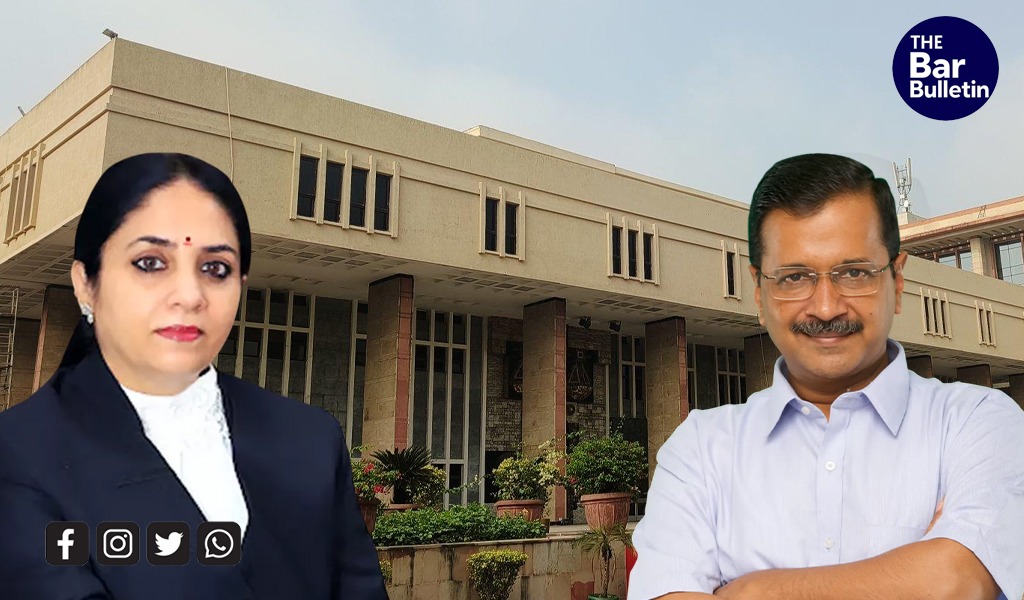

The Delhi High Court on Monday concluded arguments in the Central Bureau of Investigation’s (CBI) plea challenging the discharge of Aam Aadmi Party leader and former Chief Minister Arvind Kejriwal and other accused in the Delhi excise policy case, while also hearing applications seeking recusal of Justice Swarana Kanta Sharma. The Court has granted time to parties to file written replies within a week.
During the hearing, Kejriwal, appearing in person, sought Justice Sharma’s recusal, alleging a reasonable apprehension of bias based on certain prior judicial observations and her participation in events organised by the Akhil Bharatiya Adhivakta Parishad. He argued that the March 9 order of the Court, which partly stayed aspects of the trial court’s discharge ruling, had effectively “neutralised” the trial court’s findings and reflected a predisposition in favour of the investigating agencies.
Senior Advocate Sanjay Hegde, appearing for Manish Sisodia, supported the recusal plea, contending that strong observations made in earlier proceedings on the same factual matrix could give rise to a reasonable apprehension that the Court may not take a completely fresh view. He emphasised that in criminal matters, where personal liberty under Article 21 is at stake, the threshold for recusal should be viewed more sensitively.
Other counsel echoed similar concerns, pointing to alleged procedural irregularities, including issues relating to service of notice and grant of interim relief to non-parties, as factors contributing to apprehension in the minds of the accused. The Court, however, repeatedly clarified that recusal must be tested on limited grounds primarily whether there exists a reasonable apprehension that justice may not be done.
Opposing the plea, Solicitor General Tushar Mehta argued that the recusal application was not bona fide and warned against setting a precedent where litigants could effectively “choose the Bench” by levelling allegations. He submitted that judicial observations made in earlier proceedings were legally required and could not form the basis for recusal. He further contended that entertaining such pleas would undermine judicial independence and embolden attempts to exert pressure on courts.
The Bench also addressed submissions based on social media commentary and public perception, making it clear that judicial decisions cannot be influenced by such factors. It observed that the focus must remain on legally sustainable grounds rather than external narratives.
After hearing extensive arguments from all sides, the Court directed parties to file their written submissions within a week.
Also Read