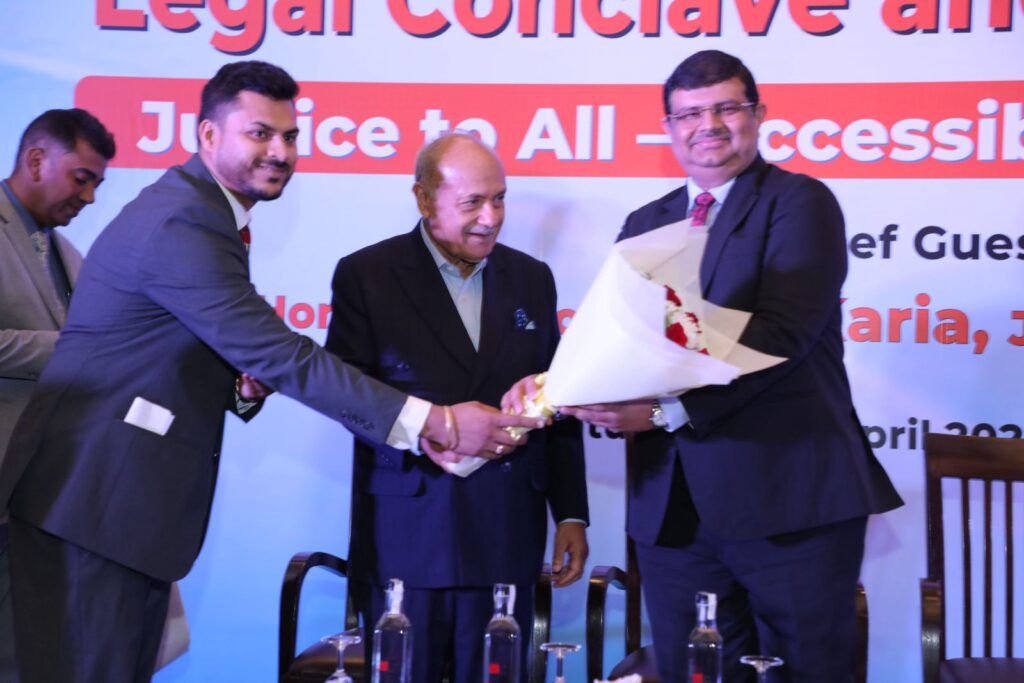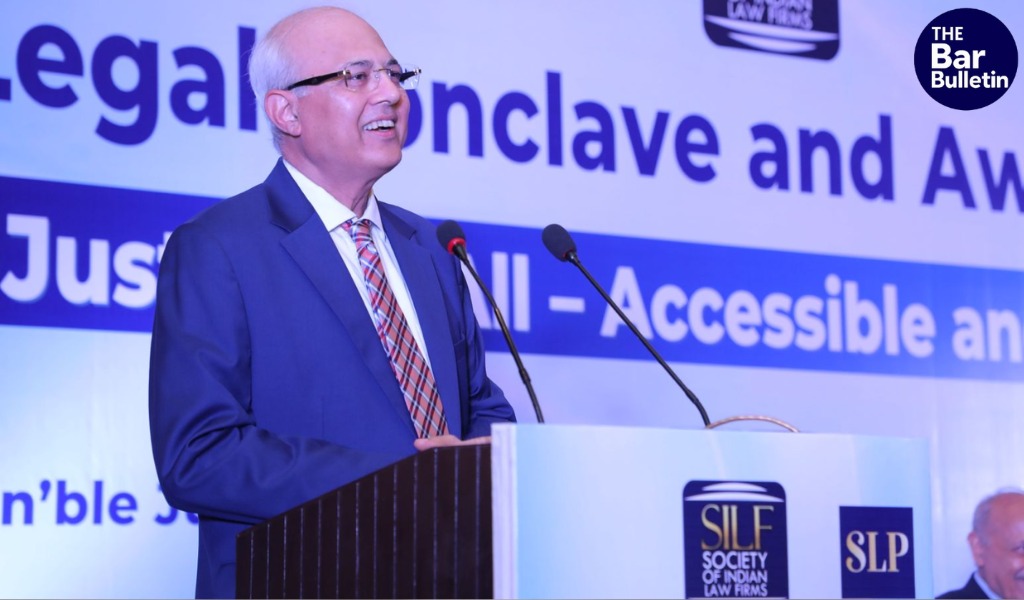
At the Legal Conclave & Awards Ceremony 2026 organised by the Society of Indian Law Firms and the Society of Legal Professionals, Supreme Court Judge Justice Manmohan raised significant concerns over the trajectory of arbitration in India, cautioning that it is increasingly resembling court proceedings and thereby diluting its original purpose as a swift and cost-effective alternative to litigation.
Justice Manmohan observed that arbitration was intended to be an informal, flexible, and inexpensive process. However, he noted that current practices marked by procedural formalities and excessive documentation have made arbitral proceedings mirror traditional courtroom litigation. Questioning this shift, he asked whether arbitration, once seen as a solution to judicial delays, is itself “becoming a problem” due to the manner in which it is conducted.
He emphasised that such critique must be viewed constructively, as part of an ongoing effort to reform and strengthen the justice delivery system. He further highlighted the need for greater engagement with academia and comparative global legal developments, particularly as legal systems worldwide confront similar challenges involving technology and changing judicial roles.
On alternative dispute resolution, Justice Manmohan strongly endorsed mediation, particularly in matrimonial and family disputes, noting that resolving one such dispute often leads to the resolution of multiple connected proceedings. He stressed that dispute resolution must aim at restoring social harmony, not merely adjudicating legal rights.
The conclave also featured an extensive address by Additional Solicitor General Chetan Sharma, who spoke at length on the structural challenges facing India’s justice system and the urgent need to adopt more effective dispute resolution mechanisms.
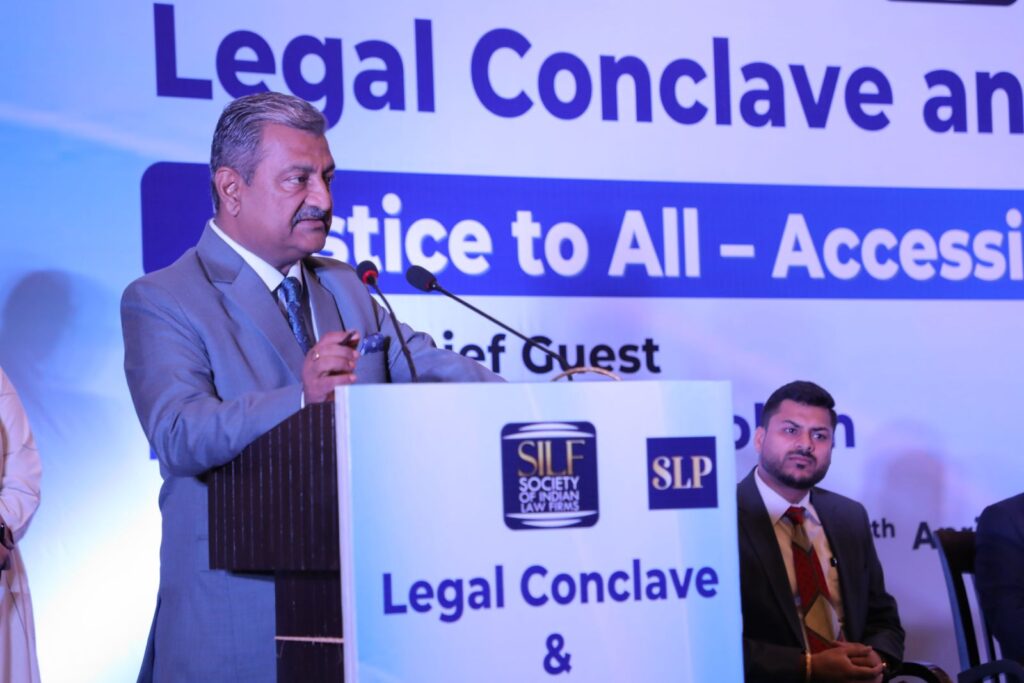
Chetan Sharma highlighted the staggering scale of pendency in India, noting that crores of cases continue to burden the judicial system. He emphasised that this backlog has far-reaching consequences, affecting not just litigants but also economic productivity, social stability, and overall public confidence in the justice system. Litigation, he observed, imposes a significant psychological and financial burden on individuals and families, often prolonging conflict across generations.
He strongly advocated for a systemic shift towards mediation, describing it as the “future” of dispute resolution. Drawing from practical examples, particularly in family disputes, he explained how a single conflict often leads to multiple parallel proceedings civil, criminal, and ancillary which can be effectively resolved through a single mediated settlement. He stressed that mediation has the potential to significantly reduce pendency while fostering long-term peace between parties.
Highlighting the need for institutional reform, ASG Sharma suggested reimagining dispute resolution spaces particularly family courts not merely as adjudicatory forums but as centres for resolution and reconciliation. He proposed the integration of psychologists and counsellors into the dispute resolution process to address underlying human and emotional dimensions, especially in matrimonial disputes.
On technology, ASG cautioned against over-reliance on artificial intelligence in judicial decision-making. While acknowledging its utility in areas such as documentation and case management, he emphasised that the ultimate decision-making authority must remain with the human mind. He flagged emerging challenges such as deepfakes, cyber threats, and misuse of digital tools, suggesting that legal frameworks must evolve to address these concerns without compromising human judgment.
He also highlighted the importance of collaborative efforts between legal professionals, policymakers, and domain experts, suggesting that interdisciplinary dialogues and policy recommendations could play a key role in addressing systemic inefficiencies.
Lalit Bhasin, Chairman of the Conclave and President of SILF, echoed concerns regarding rising arbitration costs and stressed the need to ensure that access to justice remains both affordable and efficient.

The event also marked the release of the book Economic Justice and Public Finance for Social Change: An Appraisal in the light of Dr Ambedkar’s Vision, edited by Prof. (Dr.) Vijay Kumar Singh.
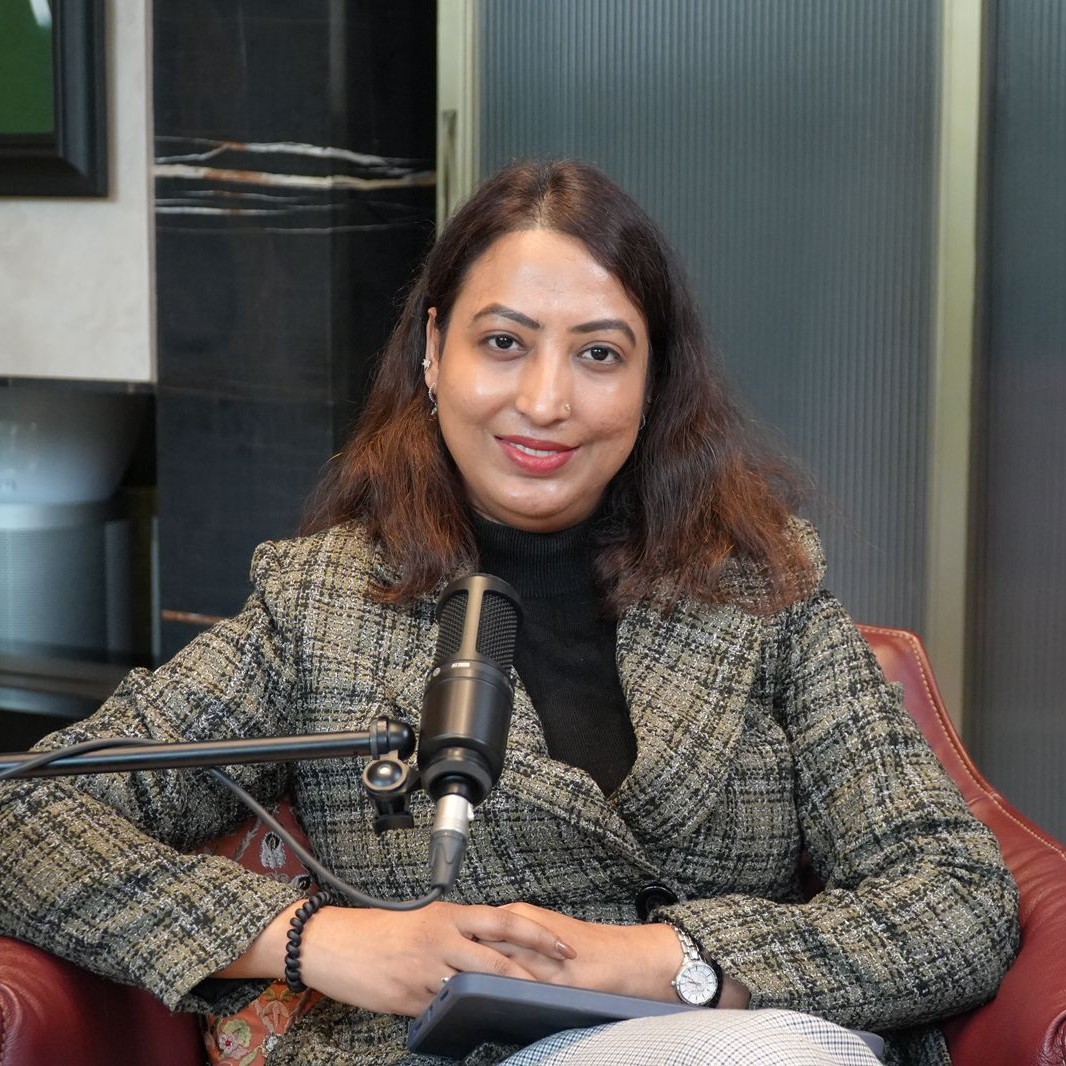
A special segment titled “Recognising Nari Shakti – Women Power” honoured women leaders heading prominent law firms across India, acknowledging their contributions to the legal profession and leadership in shaping the industry.
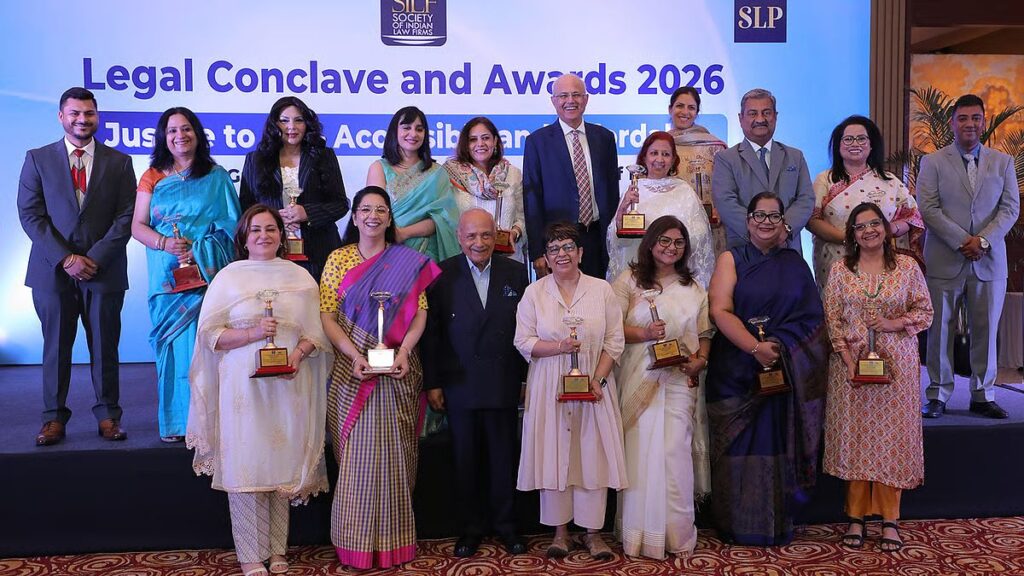
The conclave, graced by Tejas Karia as the Chief Guest, concluded with an awards ceremony recognising excellence across the legal fraternity, bringing together members of the judiciary, bar, academia, and industry to deliberate on the future of dispute resolution and justice delivery in India.