
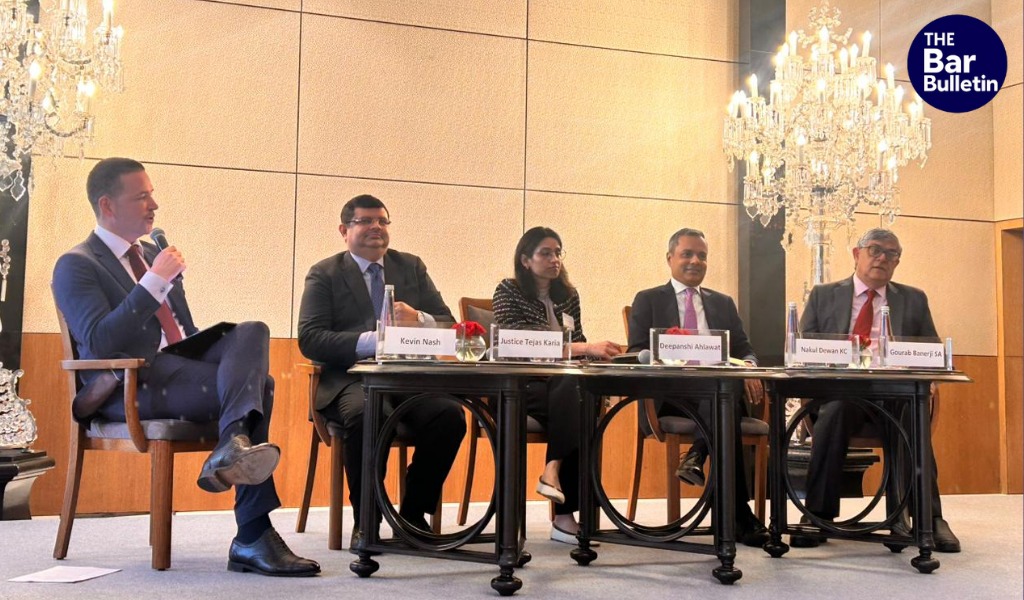
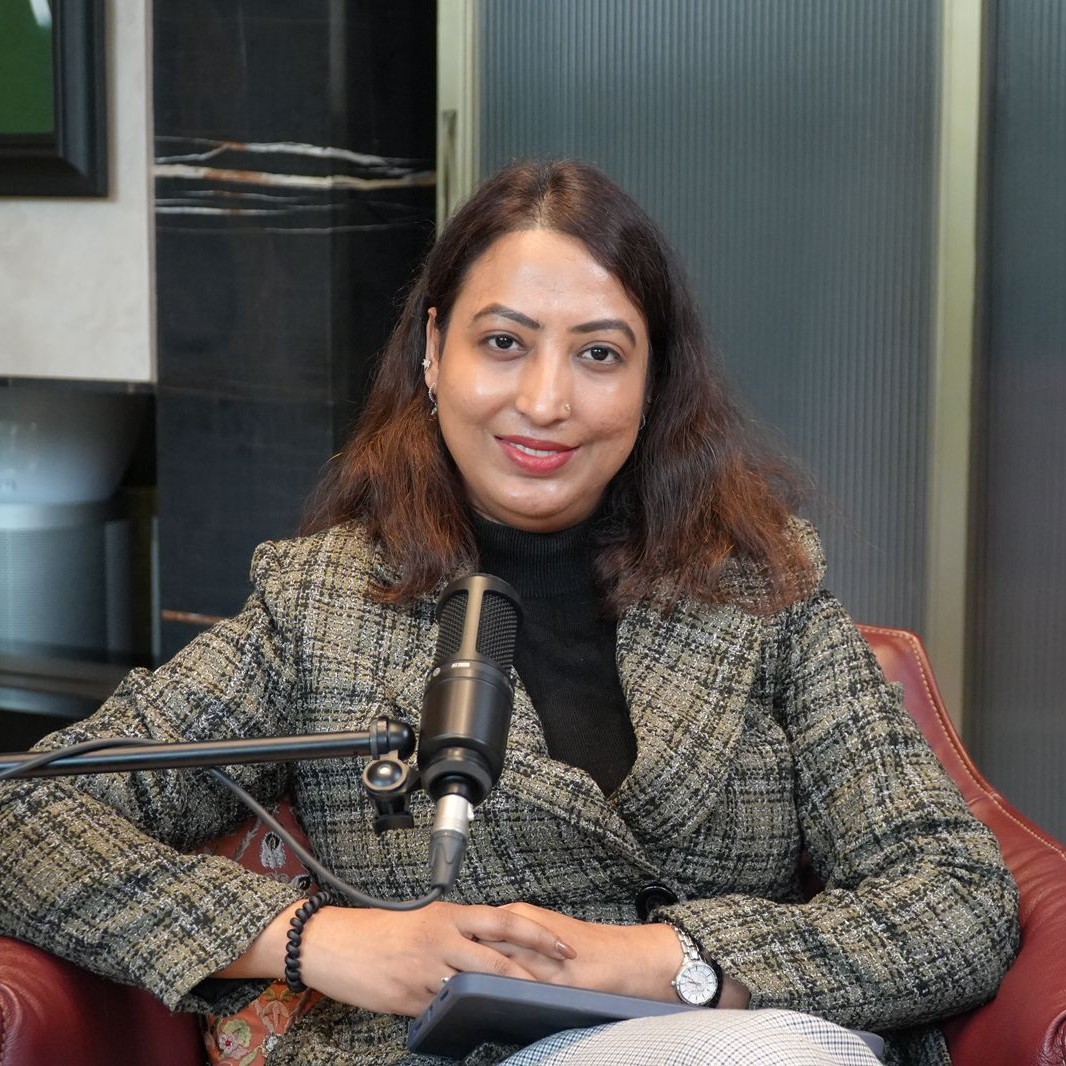
The LCIA Tylney in Town Symposium held in New Delhi on 9 May 2026 brought together leading arbitration practitioners, institutional representatives, senior members of the Bar and members of the judiciary for high-level and interactive discussions on the future of arbitration in India and the country’s growing integration into the global arbitration landscape. The lineup of speakers was as follows:
- Kevin Nash, LCIA Director General
- Jamie Harrison, LCIA Deputy Director General
- Deepanshi Ahlawat, LCIA Counsel
- Gourab Banerji SA, Essex Court Chambers, Delhi
- Justice Navin Chawla, Delhi High Court, Delhi
- Nakul Dewan KC, Twenty Essex, Singapore
- Shashank Garg SA, Independent, New Delhi
- Justice Tejas Karia, High Court of Delhi, Delhi
- Tushar Mehta SA, Solicitor General of India, Delhi
- Vijayendra Pratap Singh, Senior Partner, AZB & Partners
The symposium featured thematic discussions on institutional arbitration, tribunal appointments, procedural efficiency, tribunal secretaries, award scrutiny, enforcement challenges and evolving trends in international dispute resolution. Discussions were conducted under the Chatham House Rule to facilitate candid and open exchanges of views.
A recurring theme throughout the symposium was the increasing internationalisation of Indian arbitration practitioners and arbitrators. Participants observed that Indian arbitrators are increasingly being appointed in disputes with no India connection, reflecting growing global confidence in Indian arbitration expertise.
The symposium also examined the evolving role of arbitral institutions and the increasing emphasis on institutional oversight, neutrality, diversity and procedural flexibility in tribunal appointments. Participants highlighted that the LCIA model treats enforceability as something that is built from the outset of the case, through careful appointments, procedural discipline and appropriate award review.
Detailed discussions were also held on the role of tribunal secretaries, disclosure obligations and procedural management in complex international arbitrations. Speakers noted that tribunal secretaries can significantly improve efficiency and reduce costs, particularly in the LCIA’s hourly rate model, but that transparency and institutional regulation remain critical safeguards in preserving confidence in the arbitral process.
The symposium further featured a candid fireside discussion on judicial intervention in arbitral awards, consistency in challenge proceedings under Sections 34 and 37 of the Arbitration and Conciliation Act, enforcement delays and the continued preference for ad hoc arbitration in India despite the rise of institutional arbitration centres.
Participants also discussed the composition of arbitral tribunals in India, including the growing need to broaden the arbitrator pool beyond retired judges by encouraging participation from younger practitioners and professionals with specialised sectoral expertise.
Another key focus area was the increasing emergence of Delhi as a preferred arbitration seat within India. Participants observed that specialised commercial jurisprudence, relatively faster disposal rates and a pro-arbitration judicial approach have contributed significantly to Delhi’s prominence in arbitration matters.
One of the more candid aspects of the discussion related to public sector confidence in arbitration. Participants recognised that while the government continues to support arbitration as a dispute resolution mechanism, neutrality, consistency and institutional trust are central to building confidence in certain categories of disputes. The importance of improving documentation practices, dispute management systems and quality of representation during arbitral proceedings was also highlighted.
In his closing address, LCIA Director General Kevin Nash emphasised that Delhi’s ambition should extend beyond simply being a preferred seat for Indian disputes. In his view, the relevant question is whether Delhi can continue its evolution into a truly global arbitration hub capable of attracting work from regions such as the Middle East, Central Asia and Africa. Mr Nash took the view that Delhi has all the necessary hardware, software and peopleware to get there. He also reaffirmed the LCIA’s long-term commitment to meaningful engagement with the Indian arbitration community and noted the personal connections that this current generation of the LCIA holds with India and the Indian dispute resolution community.
Following the symposium, participants reflected on the discussions and the significance of the format. Mr Vijayendra Pratap Singh highlighted the participatory nature of the format and its reception in India, observing:
“LCIA has introduced its exciting Tylney Hall format to India. The session truly showed that it was a ‘session of the audience, by the audience, and for the audience’. The robust participation at the session showed that ‘Tylney Hall in India’ is an idea whose time has come.”
Reflecting on the international arbitration conversation, Mr Nakul Dewan, KC emphasised both the substantive discussions and India’s growing global relevance, stating:
“It was an intellectually stimulating session discussing the multifaceted reasons for arbitrating in London. The event hosted by LCIA exemplifies India’s relevance to global trade and its continued potential as our economy emerges stronger year on year.”
Senior Advocate Shashank Garg described the event as a rare forum for candid and meaningful exchange, saying:
“LCIA’s symposium today was curated to perfection, with speakers and audience both engaging freely on all the topics of contemporary relevance. I thoroughly enjoyed asking several candid questions to Justice Chawla and Mr. Mehta, who were equally candid in their witty yet honest responses.”
Mr Kevin Nash summarised the day with these thoughts:
“What stood out in Delhi was the quality of the exchange. The energy in the room was real and there was a depth, seriousness, and level of candour that makes the Tylney format work. As was made clear in those discussions, India is already central to many international disputes. The next move is for India to become one of the places where those disputes are resolved. That is the opportunity and Delhi should be thinking big.”