
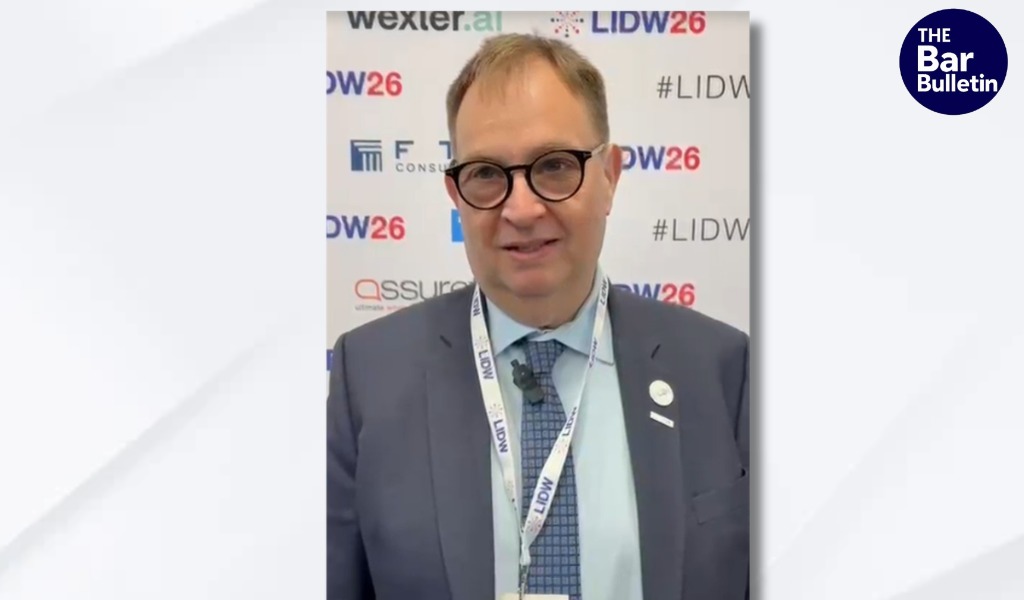

Prof. Loukas Mistelis, Co-Chair of London International Disputes Week (LIDW), is Professor of Transnational Commercial Law and Arbitration at Queen Mary University of London. He is one of the leading scholars and practitioners in international commercial arbitration and dispute resolution, with extensive experience as an arbitrator, mediator and expert witness.
1. How is your experience with LIDW? And as a co-chair, what are your plans for LIDW after five years?
Well, when we embarked on the LIDW project back in 2017, it took quite a bit of time of planning. So, the first edition was in 2019, and, of course, the first few years were affected by COVID. So, it’s only effective for four years post-COVID, where we saw it growing. It’s growing beyond our expectations, with more than 11,000 people participating this year from 120 jurisdictions. It’s very difficult to predict the future, but I think the LIDW will continue to be the main forum for dispute resolution professionals from all over the world, some sort of diversity of thought leaders in disputes.
We want to make sure that going forward, there will be much more of the younger generation involved in that thought leadership process. And it seems that that’s working already quite well.
2. What is your thought on the enforcement challenges which the arbitration community faces?
When it comes to arbitration awards, of course, the critical issue is whether the awards will be enforced. Looking globally, the statistics are quite good. So, jurisdictions where people had concerns have reported very, very good results recently. Of course, the more arbitration grows and becomes sort of a more democratised process, the courts still have a role in refusing to enforce an award where the award might contradict with the fundamental principles of public policy.
But the hope is that that will happen less and less often and that both the arbitration community and the courts will engage in a dialogue. So the enforcement should not be the end or the sort of doom of the arbitration process.
It’s a collaborative process. The arbitration community needs the courts to enforce the award, and judges need to understand how the arbitration process works. So if this dialogue is there, then we should not have concerns about the future.