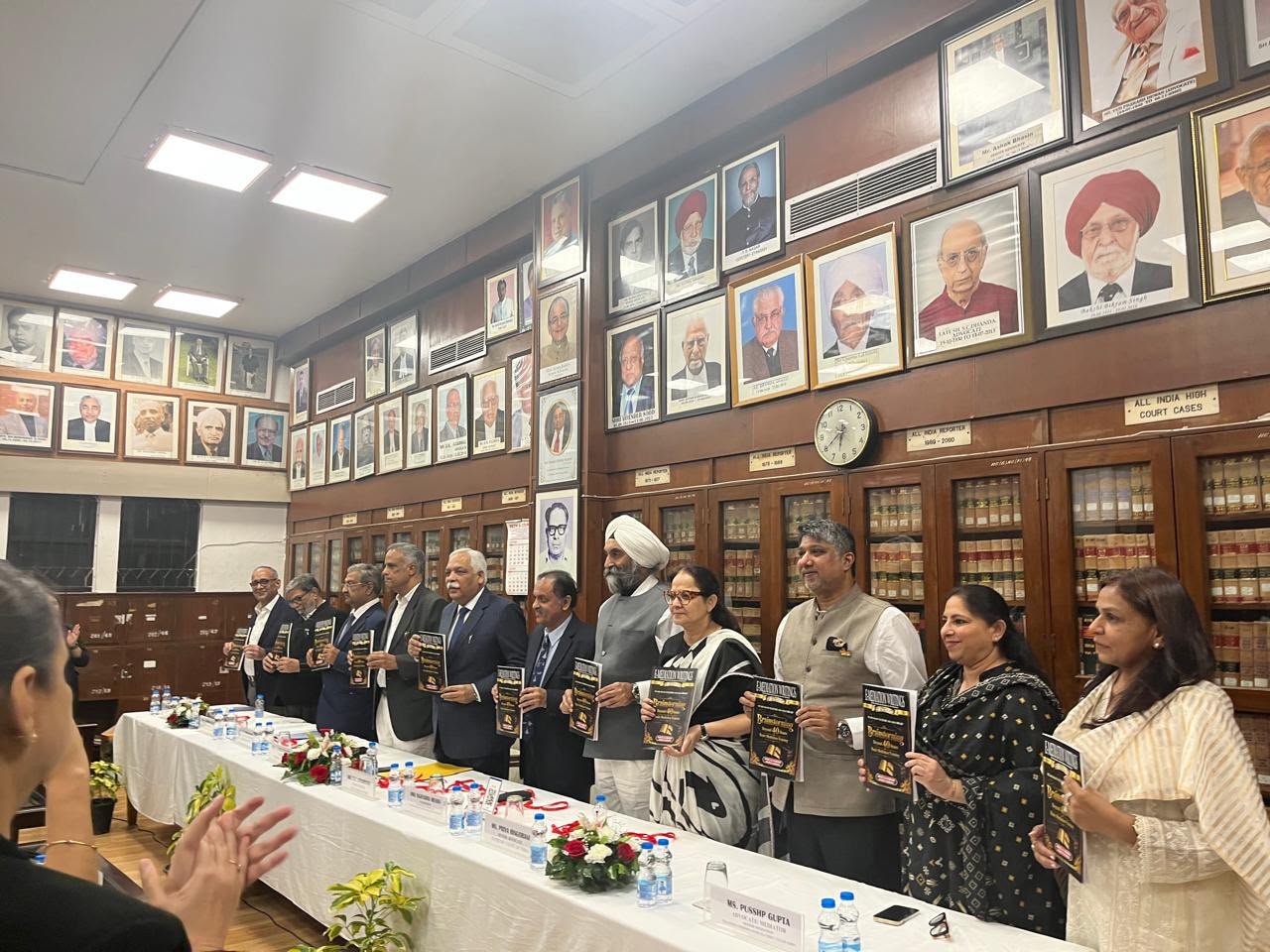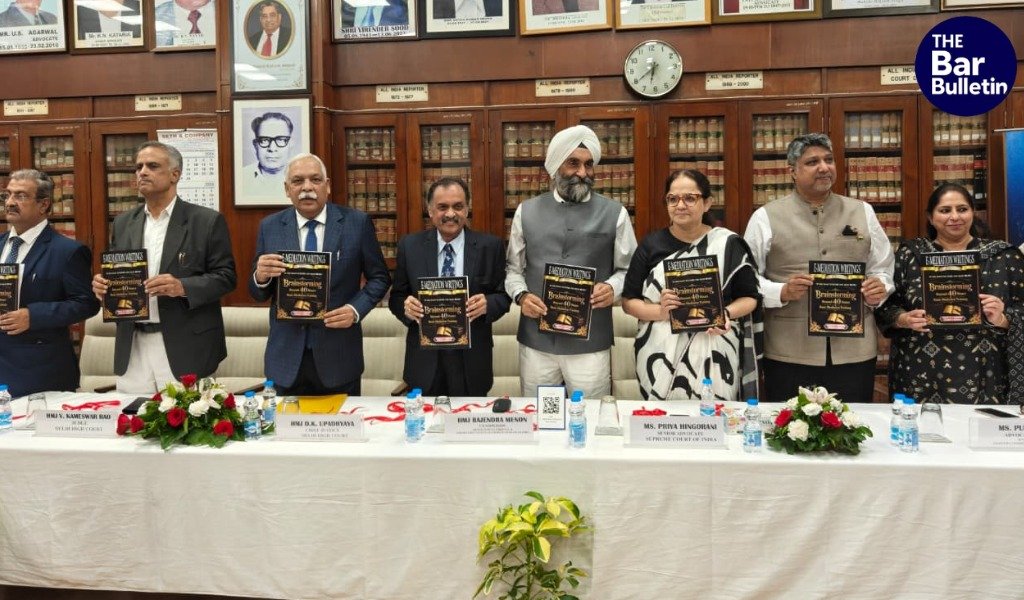

The Delhi High Court Bar Association Library has launched a dedicated “Mediation Readings Corner”, a specialised space for books, journals, e-magazines and other scholarly material on mediation, in an initiative aimed at strengthening mediation scholarship and practice within the legal fraternity.
The corner was inaugurated by Chief Justice Devendra Kumar Upadhyaya at an event organised by Team E-Mediation Writings (EMW) at Bar Room 18, Delhi High Court, where the 22nd E-Edition of E-Mediation Writingswas also released.
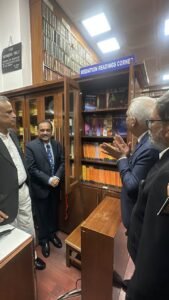
The initiative has been conceived by Pusshp Gupta, Coordinator-in-Chief, Team EMW, and undertaken with the support of N. Hariharan, Senior Advocate and President, Delhi High Court Bar Association and Sr Adv Rajeev Virmani. The event brought together members of the Delhi High Court Bench, senior members of the Bar, mediators and legal professionals.
Addressing the gathering, Chief Justice Upadhyaya described mediation as having enormous untapped potential and said that “mediation is actually the future.” Recalling his own first exposure to mediation, he said that his interaction with mediators and his experience of working with mediation centres enabled him to appreciate the extent to which the process could contribute to dispute resolution.
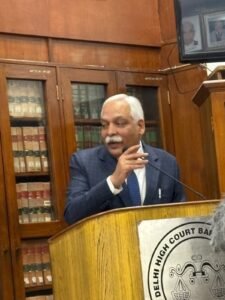
The Chief Justice also stressed the need to fully operationalise the Mediation Act, 2023, particularly through constitution and functioning of the Mediation Council of India. He noted that several provisions of the legislation, including those concerning accreditation of mediators and mediation service providers, would require the Council to be functional.
He further highlighted the need for appropriate safeguards for government officers participating in mediation, noting that reluctance on the part of government authorities to engage in settlement discussions could be reduced through implementation of the relevant statutory framework.
Calling for greater participation by lawyers in mediation, the Chief Justice said the legal profession must recognise mediation as another important branch of legal practice. He also emphasised that mediation offers something beyond reduction of litigation: the human element of communication and engagement between disputing parties.
Drawing on the example of Mahatma Gandhi, the Chief Justice observed that mediation and the process of reaching a resolution through engagement and dialogue had played an important role in Gandhi’s transformation. He urged lawyers to explore the full potential of mediation rather than viewing it merely as a mechanism for reducing the court docket.
Justice Rajendra Menon: Mediation Act Must Be Implemented in Right Earnest
Justice Rajendra Menon, Chief Justice-designate of the Patna High Court, spoke about his experience with mediation and described it as the future of dispute resolution in the country.
He particularly emphasised the need for the Mediation Council of India to be constituted and made functional, noting that the Mediation Act cannot operate effectively without the institutional mechanisms contemplated under it. He pointed to provisions relating to registration and accreditation of mediators and mediation service providers as areas that require the Council’s functioning.
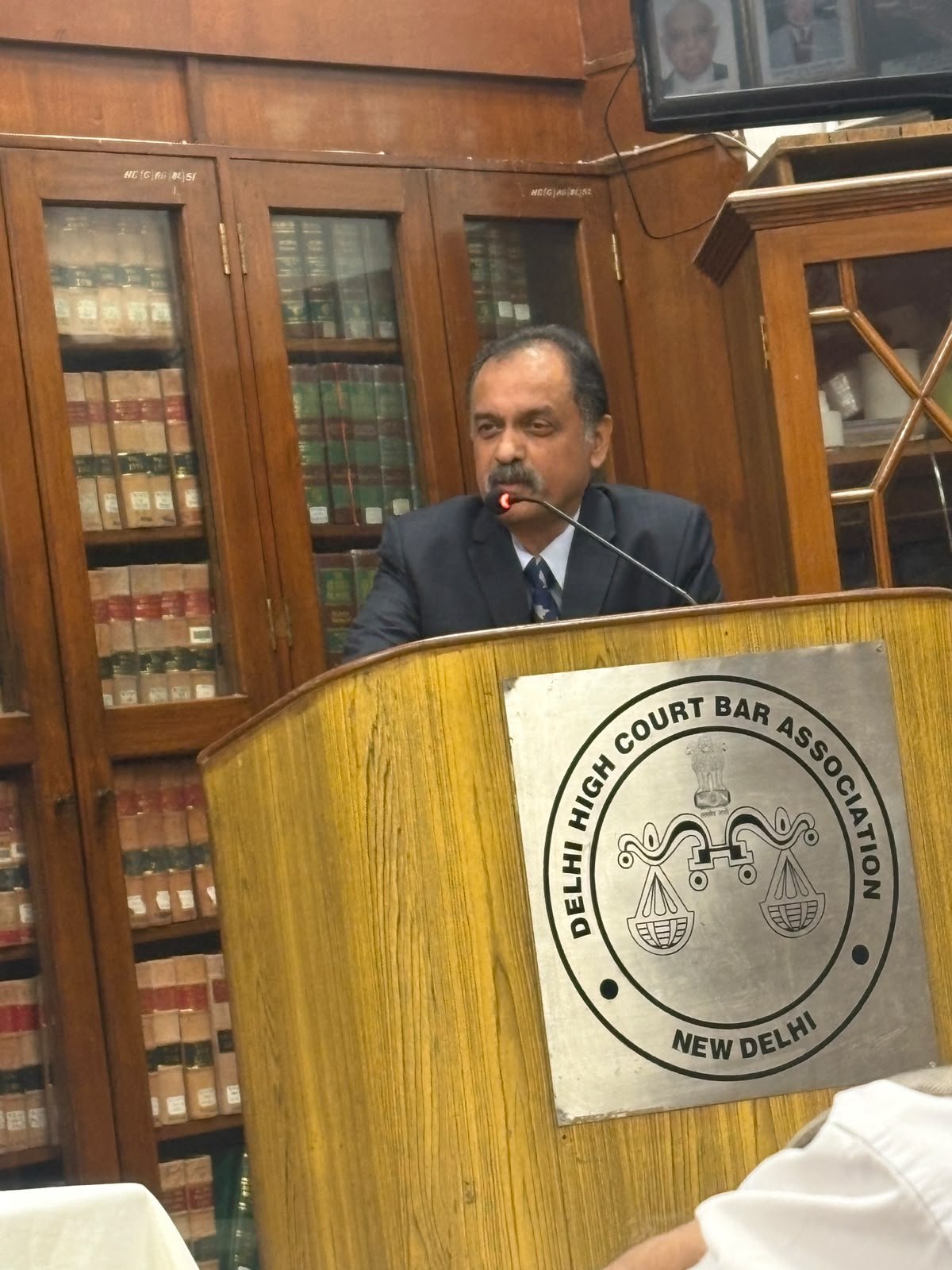
Justice Menon also shared his experience of introducing mediation mechanisms within the Indian Army. During his tenure at the Armed Forces Tribunal, he noticed that matrimonial disputes involving Army personnel generated significant litigation and administrative burdens, with officers having to repeatedly take leave to attend proceedings concerning family disputes.
He therefore explored the possibility of introducing mediation within the Army and subsequently facilitated the training of Army officers as mediators. He said the initiative resulted in matrimonial disputes within Army units being taken up through trained mediators, with settlements subsequently being placed before the appropriate legal services authorities and courts.
An important outcome, he noted, was that officers trained in mediation reported a change not only in their approach as mediators but also in their broader approach towards personnel and disputes.
Justice V. Kameswar Rao congratulated Team E-Mediation Writings on bringing out its 22nd edition, noting the growth of the initiative since its inception in 2019.
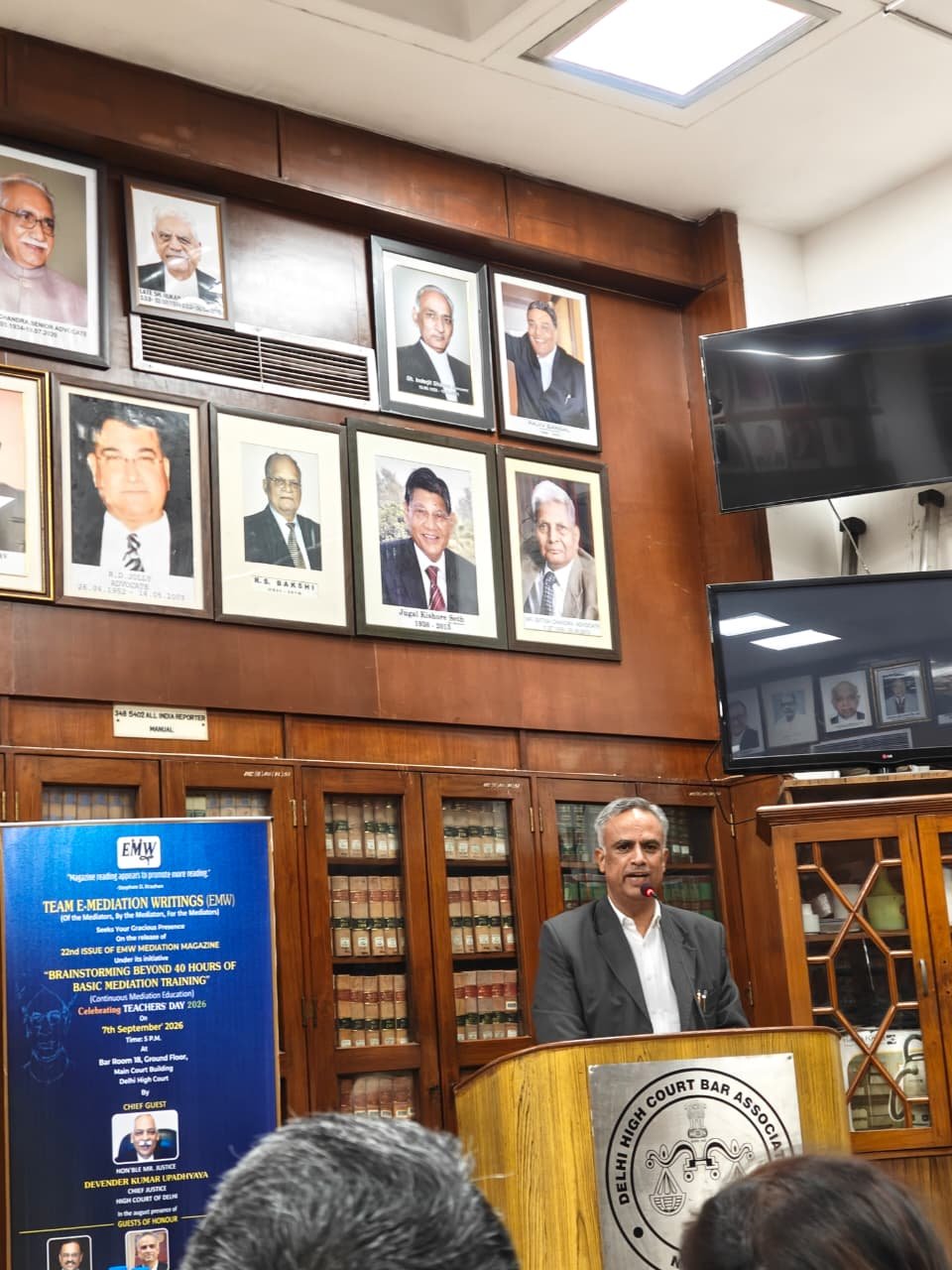
Justice Kameswar Rao said that although he had not personally worked as a mediator, his experience as a judge had involved referring matters to mediation. He said mediators inspire confidence in judges when parties seek reference of disputes to mediation.
He observed that while judges resolve disputes through an adversarial process, mediators facilitate settlements, resulting in what he described as a “sane ending” to disputes.
The Judge also highlighted the importance of recognising the efforts of mediators when settlements are achieved, observing that appreciation of their work can motivate them to continue their efforts.
He concluded by complimenting Team EMW and expressed hope that the publication would continue to grow, noting that reaching 22 editions in seven years demonstrated the initiative’s sustained contribution to mediation awareness.
Additional Solicitor General Chetan Sharma described the gathering as
“
bringing together three generations of Delhi High Court leadership, referring to the present, past and future leadership of the Court.
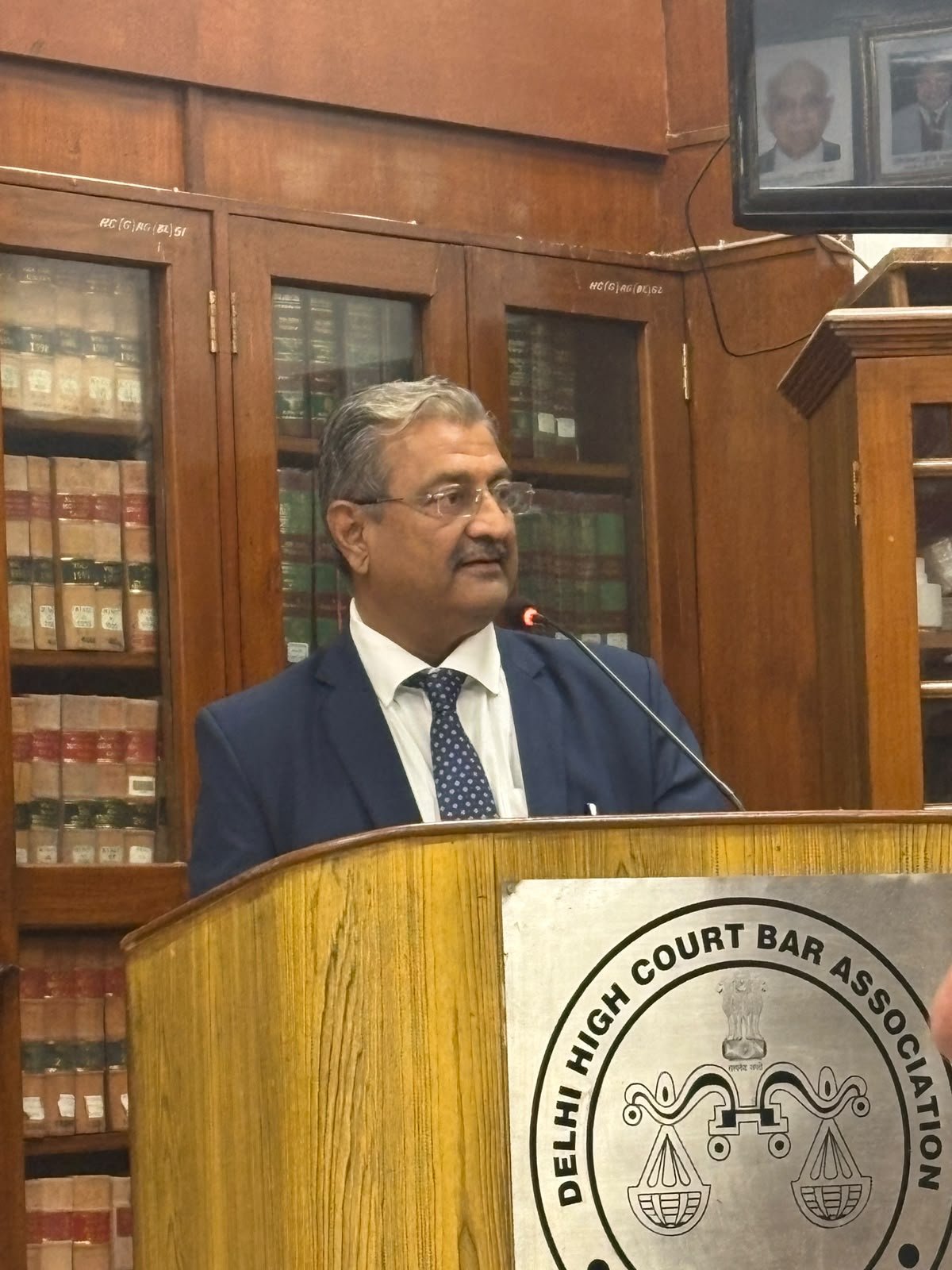
Speaking about the broader role of the Delhi High Court, he noted its influence across diverse areas of law and referred to mediation as an important development in the evolution of dispute resolution.
He also praised the work of Team EMW, and its Coordinator-in-Chief Pusshp Gupta, acknowledging her sustained energy and contribution towards promoting mediation.
Senior Advocate Priya Hingorani highlighted the importance of recognising mediators, particularly those who undertake mediation work without the visibility or recognition often associated with private mediation.
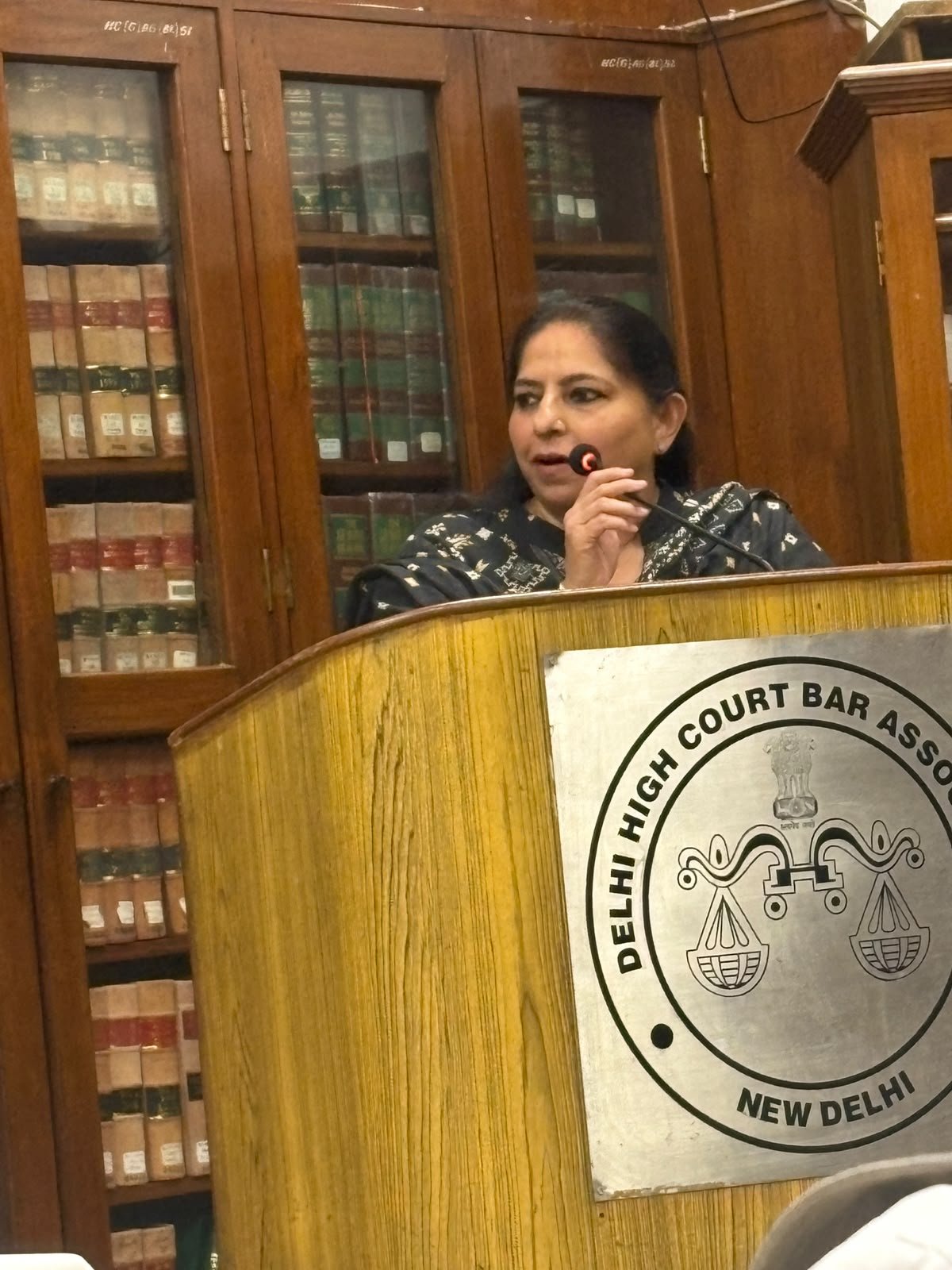
She said that
“
providing greater recognition to mediators could encourage more members of the legal profession to take up mediation and contribute to its growth.
From E-Magazine to a National Network of Mediation Libraries
Team EMW’s initiative traces its roots to the COVID-19 pandemic, when it began disseminating mediation-related knowledge digitally. The initiative has since evolved into a platform covering mediation developments, practices, articles and updates.
The newly launched Mediation Readings Corner is envisaged as the beginning of a wider initiative. Team EMW proposes to establish similar dedicated spaces in High Court libraries across States and Union Territories and at the Supreme Court, creating a national network of mediation-focused knowledge spaces.
The proposed network would provide lawyers, judges, mediators and other members of the legal profession access to books, journals, e-magazines, research material, judgments, articles and contemporary developments in mediation.