
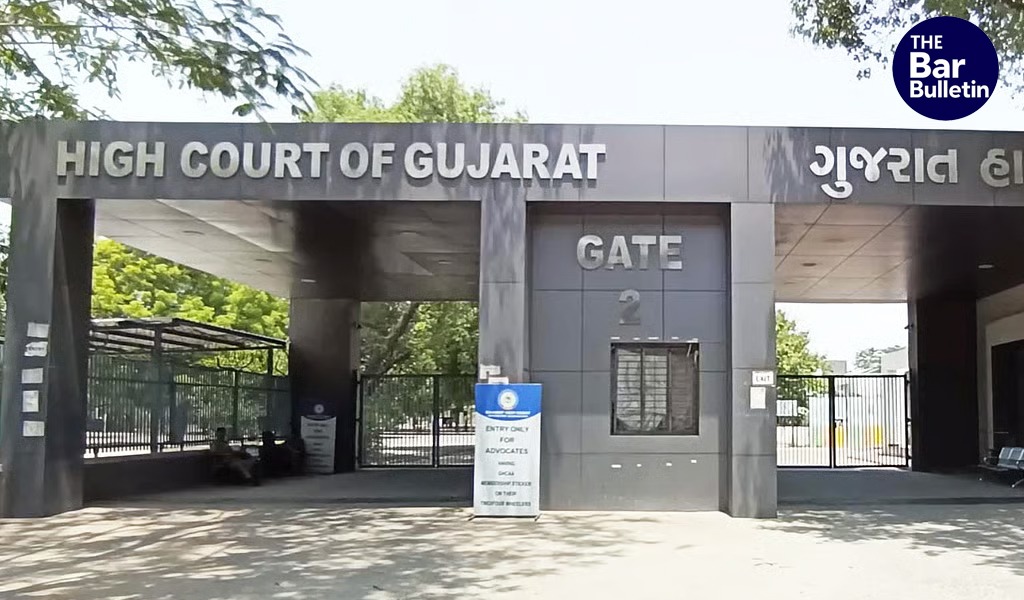

The Gujarat High Court, in a Letters Patent Appeal filed by the Gujarat Industrial Development Corporation (GIDC), upheld the Single Judge’s decision setting aside the termination of a lease and eviction proceedings initiated during the moratorium period under the Insolvency and Bankruptcy Code, 2016 (IBC).
The dispute arose after GIDC terminated a lease deed granted to Gujarat Hydrocarbons and Power SEZ Ltd. and initiated eviction under the Gujarat Public Premises (Eviction of Unauthorized Occupants) Act, 1972. These actions were taken during the subsistence of the moratorium imposed under Section 14 of the IBC following initiation of corporate insolvency resolution proceedings (CIRP).
The Court held that leasehold rights constitute “property” under Section 3(27) of the IBC and are therefore protected during the moratorium period. It reiterated that Section 14(1)(d) expressly prohibits recovery of property by a lessor when such property is in possession of the corporate debtor. Consequently, termination of the lease and eviction proceedings during the moratorium were found to be illegal and non est in law.
Rejecting GIDC’s contention that termination was based on breach of lease conditions and not insolvency, the Court observed that accepting such an argument would render the moratorium under Section 14 ineffective. The statutory intent is to preserve the assets of the corporate debtor and ensure continuity of business during the resolution process.
The Court further noted that GIDC had participated in the CIRP as an operational creditor and had lodged its claims, which were duly addressed in the approved resolution plan. Once approved, the resolution plan is binding on all stakeholders, including operational creditors, and they cannot assert independent rights in derogation of the IBC framework.
Emphasising the overriding effect of Section 238 of the IBC, the Court held that the provisions of the IBC would prevail over the Public Premises Act. Allowing eviction during the moratorium would defeat the objective of insolvency resolution and potentially push the corporate debtor into liquidation.
The High Court ultimately found no error in the Single Judge’s reasoning and dismissed the appeal, reinforcing that statutory authorities must act in conformity with the IBC and cannot bypass the insolvency framework to recover dues or possession.
Appearances:
For the Appellant: S. N. Soparkar, Senior Advocate, with R. D. Dave, Arjun Sheth and Rishabh Shah.
For Respondent No. 1: Mihir Joshi, Senior Advocate, with Keyur Gandhi, Raheel Patel, Isa Hakim and Yash Dadhich
For Respondent No. 2: Shalin Mehta, Senior Advocate, with Tirth Nayak.
For Respondent No. 3: Dhanesh Desai, with Ishan Joshi
