
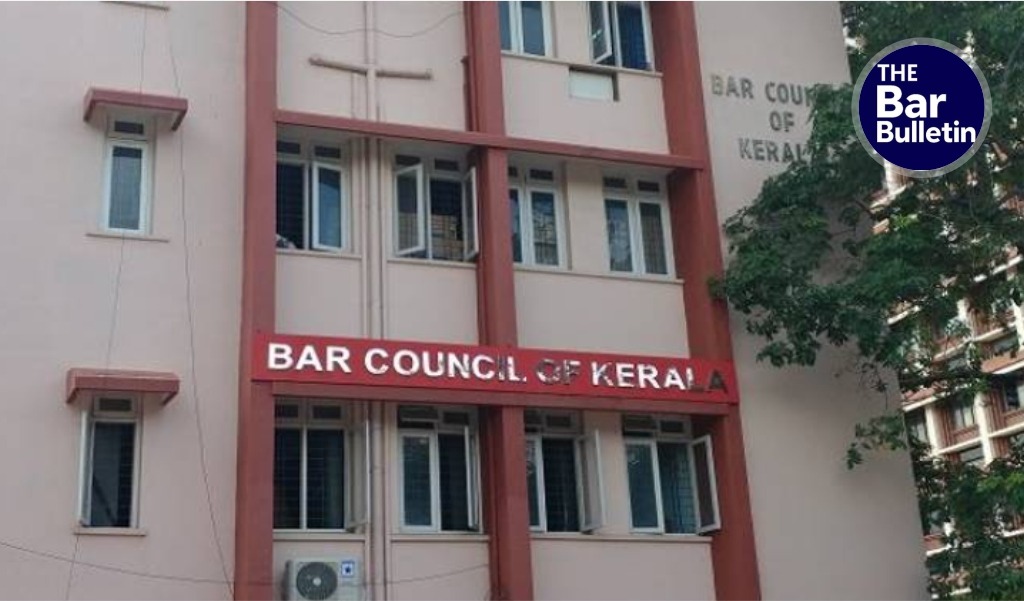

A Yeshwanath Senoy, member of the newly constituted XIII Bar Council of Kerala has written three separate letters to the Secretary of the Bar Council of Kerala raising objections to the functioning of the Ad Hoc Committee after the constitution of the elected Council, questioning the revision of Advocates Welfare Fund subscription fees, and seeking disclosure of key financial and administrative records.
In the first communication, Shenoy contends that the powers of the three-member Ad Hoc Committee constituted by the Bar Council of India came to an end upon notification of the new Bar Council on 16 June 2026. He asserts that any expenditure or administrative decisions taken thereafter without the sanction of the elected Bar Council would be without authority of law. He has urged the Secretary to convene the first meeting of the XIII Bar Council at the earliest and cautioned against implementing decisions allegedly taken by the Ad Hoc Committee after its tenure had ceased.
In a separate letter concerning the Kerala Advocates Welfare Fund, Shenoy objected to the demand for revised subscription fees following the 2026 amendment to the Welfare Fund Act. He argued that the amendment does not operate retrospectively and, therefore, enhanced subscription amounts cannot be recovered for earlier periods. He requested the Bar Council to recalculate the subscription payable, refund any excess amounts already collected, and issue a fresh communication to Bar Associations.
In the third communication, Shenoy sought access to several documents relating to the Bar Council’s finances and administration. Among the records requested are details of all bank and treasury accounts maintained by the Bar Council, audited financial statements for the last seven financial years, the Advocates Academy Trust Deed and expenditure incurred towards the Academy, and the final CBI report relating to the alleged siphoning of Welfare Fund monies along with legal opinions obtained and action taken by the Bar Council. He also requested that financial payments be kept in abeyance until the elected Council considers these issues.
The letters collectively call for greater transparency in the Bar Council’s functioning, adherence to the statutory framework governing the transition to the newly elected Council, and disclosure of financial records before further administrative and financial decisions are taken.