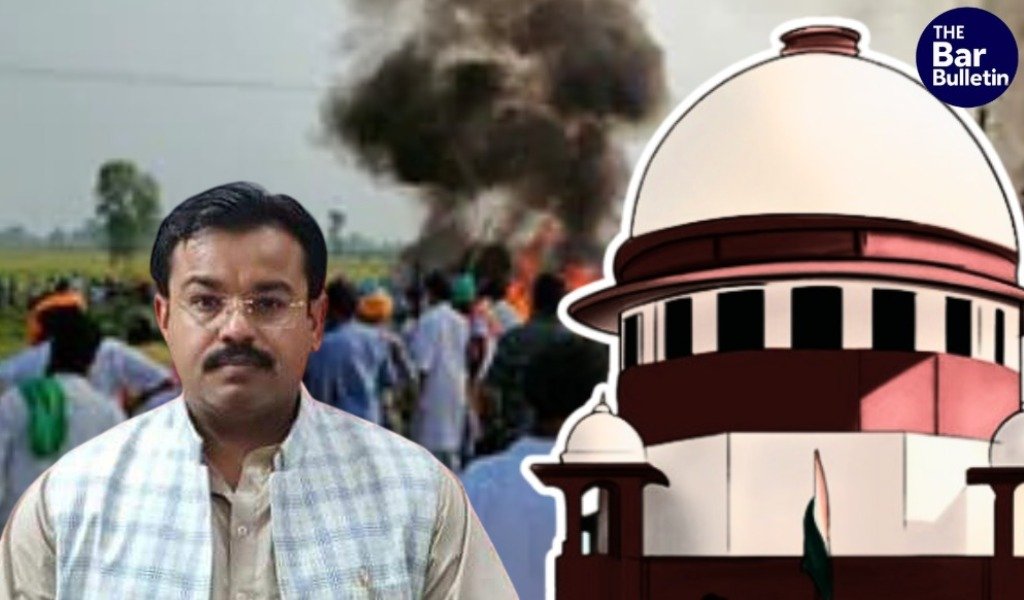
The Supreme Court on Thursday declined to further relax the bail conditions imposed on Ashish Mishra alias Monu, an accused in the 2021 Lakhimpur Kheri violence case, rejecting his plea seeking greater liberty to attend family and social functions. The case arises out of the 2021Farmer’s protest in Lakhimpur Kheri incident in which eight persons, including four farmers, were killed.
It was submitted that the existing conditions had significantly restricted his movement, preventing him from participating even in family events. Addressing the Bench, his counsel said:
“
“My Lords, I am not able to attend even day-to-day functions of my family, including my daughters’ birthday celebrations. I respectfully request that some further relaxation be granted in the existing bail conditions.”
The Court also declined to intervene in the manner in which the trial is being conducted, observing that grievances relating to the examination or dropping of witnesses should be raised before the trial court, which is best placed to assess their relevance.
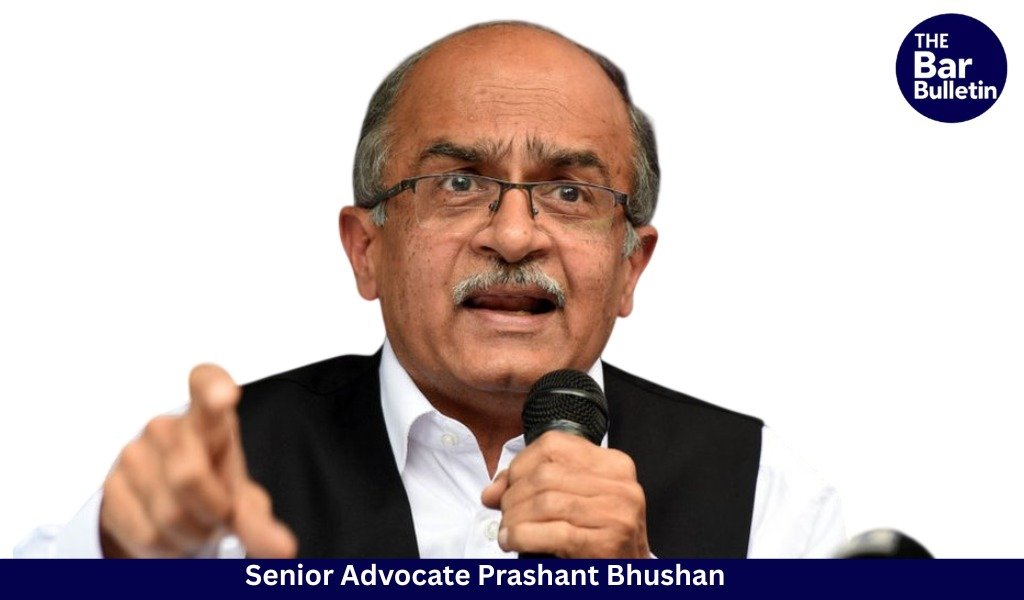
During the hearing, Senior Advocate Prashant Bhushan informed the Bench that since the last hearing on July 16, a status report had been filed, and ten additional witnesses had been examined. However, it was submitted that the pace at which the trial was proceeding had resulted in several important witnesses being given up, including some eyewitnesses.
Counsel alleged that the haste in recording evidence had prejudiced the prosecution case and referred to an incident where a person allegedly attempted to influence a witness. It was further submitted that the concerned witness was subsequently dropped after being intimidated.
“
“One of the problems is the manner in which the trial is proceeding. Many of the critical witnesses have been given up because of the speed and haste with which the evidence is being recorded. Some of them are eyewitnesses, and one witness was allegedly intimidated before eventually being given up.”
The Bench, however, observed that such grievances ought to be addressed before the trial court and not directly before the Supreme Court.
“
“That application the trial court will take care of. The trial court is the best to determine these issues. If you wish to point out why particular witnesses are necessary and what issues they would establish, you may move an appropriate application before the trial court.”
The Court indicated that the trial judge was fully competent to decide whether additional witnesses deserved to be examined and whether any prejudice had been caused by the manner in which the proceedings were being conducted.
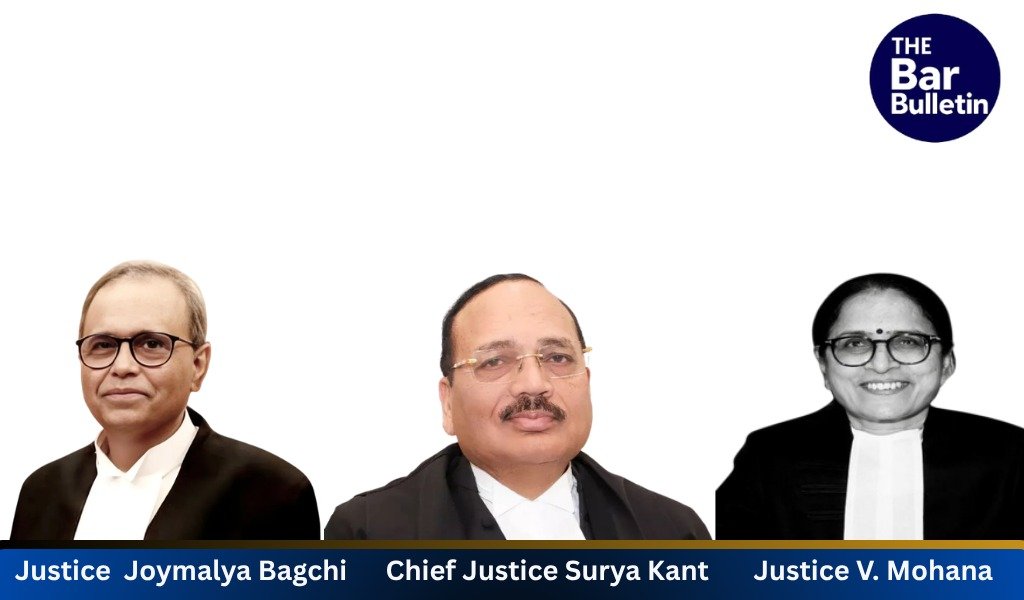
The Bench of Chief Justice Surya Kant, Justice Joymalya Bagchi and Justice V Mohana accordingly permitted the concerned party to file an appropriate application before the trial court. The case was disposed of accordingly.