
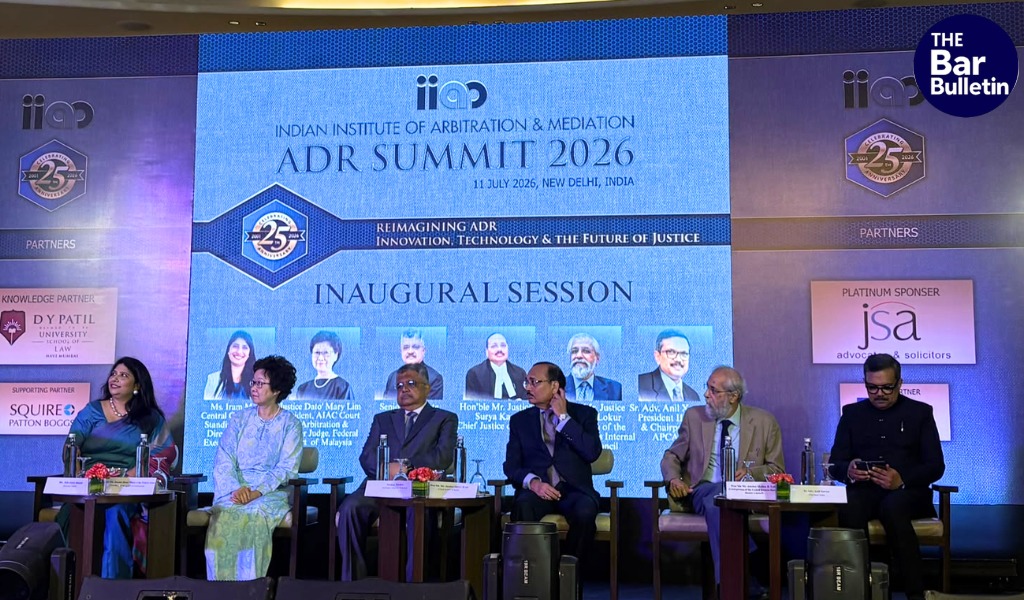
The Indian Institute of Arbitration & Mediation inaugurated the ADR Summit 2026 at Shangri-La Eros, New Delhi, bringing together judges, law officers, arbitration experts, mediators, legal practitioners, academics and industry leaders to discuss the future of alternative dispute resolution in India.
Organised under the theme “Reimagining ADR: Innovation, Technology & the Future of Justice”, the summit also marked the Silver Jubilee of IIAM, 25 Years of Excellence. The inaugural session was graced by Justice Surya Kant, Chief Justice of India, as Chief Guest. Other distinguished speakers included:
● Hon’ble Mr. Justice Madan B. Lokur – Chairperson, United Nations Internal Justice Council & Former Judge, Supreme Court of India;
● Mr Tushar Mehta – Solicitor General of India;
● Hon’ble Ms. Justice Dato’ Mary Lim Thiam Suan – President, AIAC Court of Arbitration & Former Judge, Federal Court of Malaysia;
● Adv. Anil Xavier – President, IIAM & Chairperson, APCAM; and
● Iram Majid – CGSC Director, IIAM & Executive Director, APCAM
Justice Surya Kant: “Public confidence is the true test of ADR”
In his keynote inaugural address, Justice Surya Kant emphasised that arbitration, mediation and digital dispute resolution are no longer peripheral alternatives, but integral pathways to justice in a modern legal ecosystem. Highlighting that public confidence must remain the guiding principle behind every technological advancement in dispute resolution, he observed:
“
“The platforms may change, and the technology may grow more capable. But every innovation in dispute resolution must still answer a simple question: does it strengthen, or does it quietly erode, public confidence in justice?”
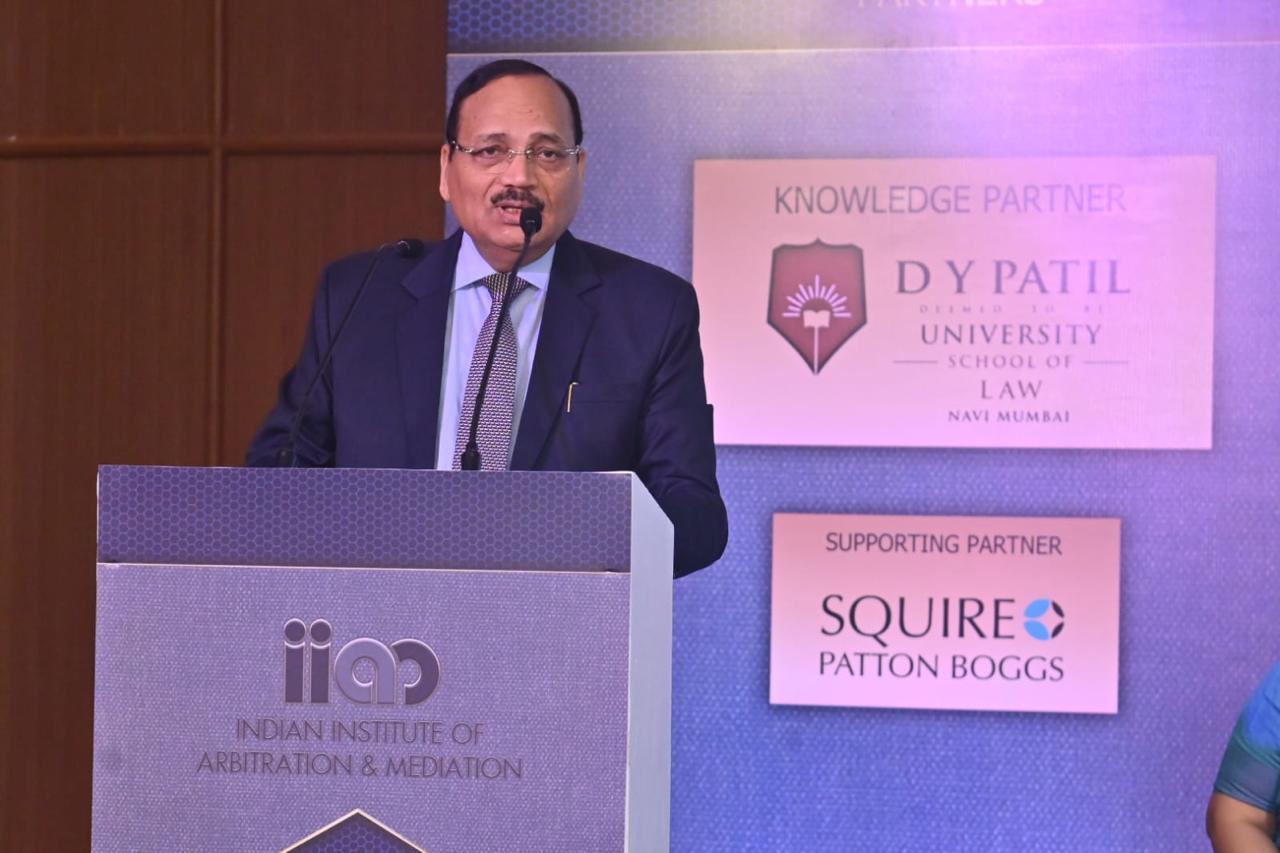
CJI Surya Kant noted that India’s dispute-resolution landscape has undergone a significant transformation, with the growth of arbitration institutions, the enactment of the Mediation Act, and the emergence of online dispute resolution mechanisms. Highlighting that these reforms are essential to addressing the mounting burden on courts, he said:
“
“No institutional model, however well-resourced, can resolve a backlog of that scale on its own. It has to be met partly outside the courts, not as a matter of convenience, but as a matter of constitutional necessity.”
Referring to the large volume of pending cases before Indian courts, the Chief Justice highlighted the role of mediation centres, arbitration institutions, online dispute resolution platforms and community mediation in resolving disputes that do not necessarily require adjudication by a court. Highlighting the importance of mediation in preserving relationships, especially in family and commercial disputes, where parties often continue to interact even after the dispute is resolved, he remarked: “Many disputes do not need an initial verdict. Many need only to be properly understood and harmonised.”
On artificial intelligence, CJI remarked that “Artificial intelligence may assist in dispute screening, organise evidence, or provide a first translation, but the moment it begins to weigh one party’s equities against another, it has stopped assisting and started deciding.”
He stressed that while technology and AI can improve access to justice, they must operate with clear legal safeguards and human oversight. Emphasising that trust remains the cornerstone of every effective dispute resolution mechanism, he observed:
“
“Arbitration, mediation and digital dispute resolution share a single underlying purpose: to build an architecture of trust that allows disputing parties to believe that a fair, timely and enforceable resolution is available to them outside the traditional courtroom.”
Congratulating IIAM on completing 25 years, CJI Surya Kant described the institution’s journey as a significant contribution to India’s ADR movement and expressed confidence that the next quarter-century would see Indian ADR institutions play an even greater role in the global dispute-resolution landscape.
SG Tushar Mehta: “Arbitration and mediation are part of India’s cultural fabric”
Solicitor General Tushar Mehta reflected on the historical roots of arbitration and mediation in India, noting that consensual dispute resolution has long been embedded in the country’s social and commercial traditions.
“
“India is probably the only country where arbitration and mediation have always been a part of our culture, our nature, and our social fabric,” he said.
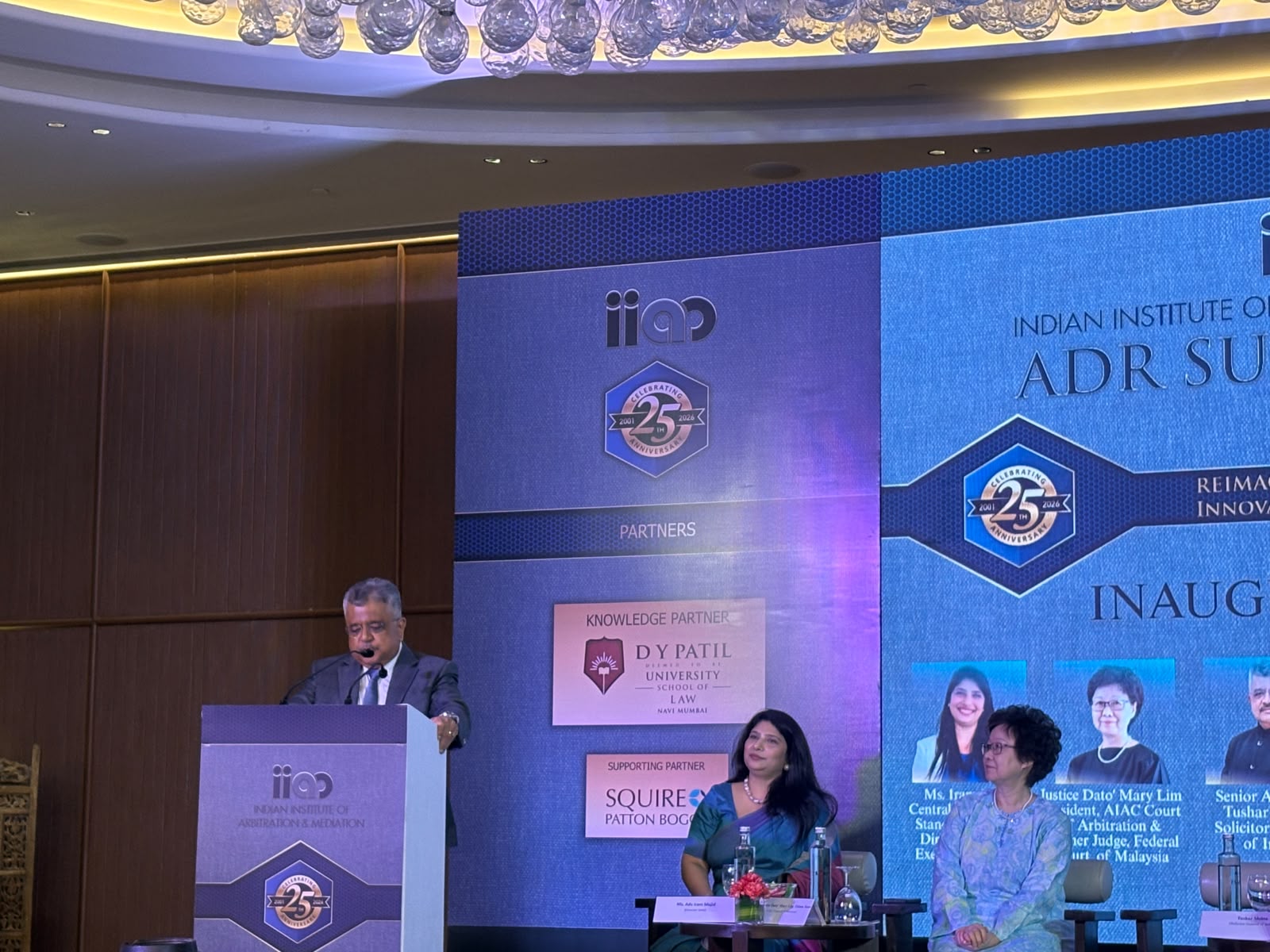
He referred to Mahatma Gandhi’s experiments with community mediation and labour dispute resolution in Gujarat, observing that these initiatives demonstrated the effectiveness of resolving disputes through dialogue and moral authority. Emphasising that India’s civilisational ethos provides a strong foundation for alternative dispute resolution, he remarked:
“
“India is leading in technology, economy and innovation. I fail to understand why India cannot lead in the field of arbitration, because arbitration is a part of our inherent culture.”
Mr Mehta urged stakeholders to identify and remove the institutional and procedural barriers that prevent India from realising its full potential as a preferred seat for arbitration.
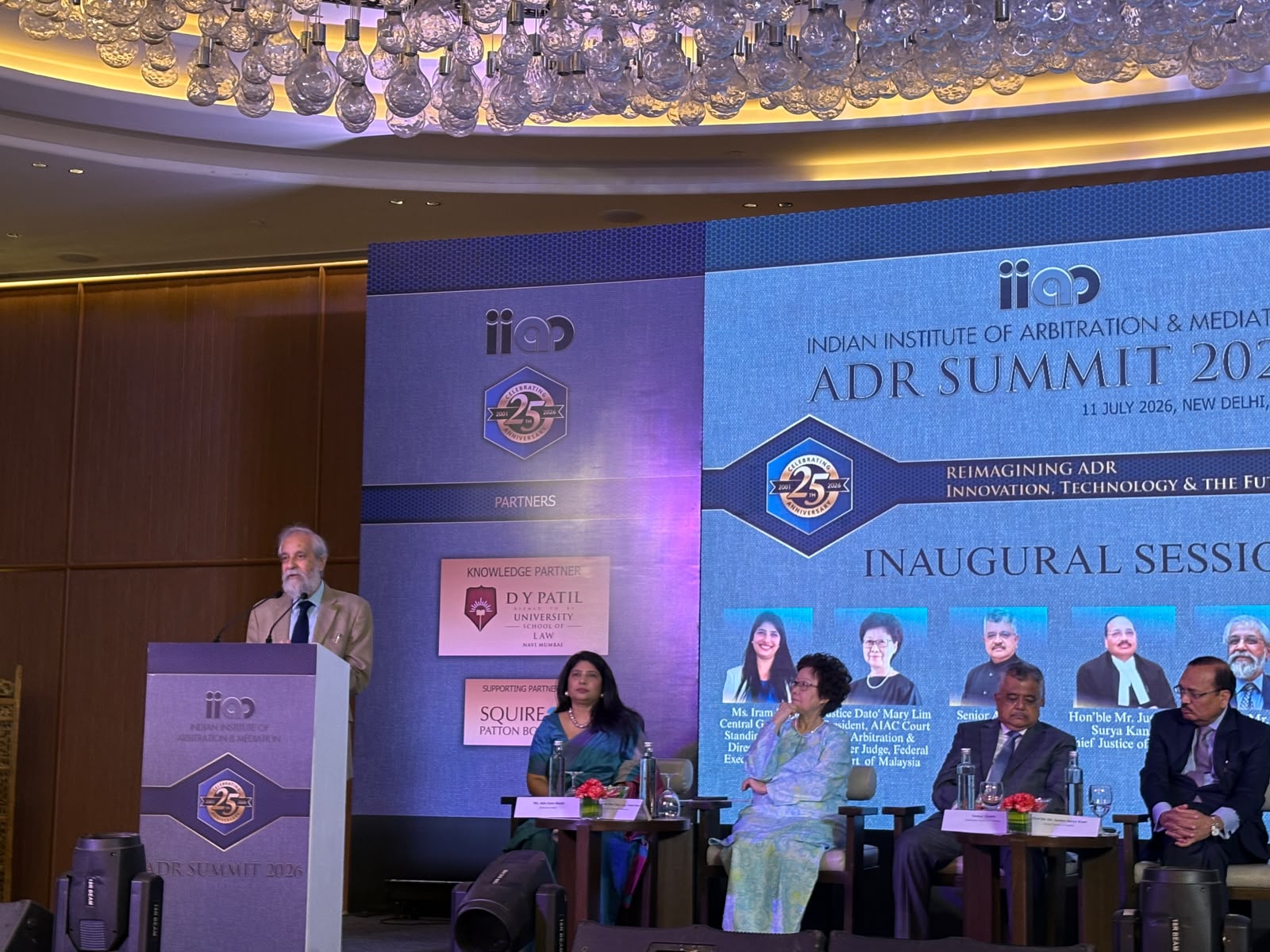
Justice Madan B. Lokur: “Community and online mediation can transform access to justice”
Justice Madan B. Lokur highlighted the growing importance of mediation in India’s justice system and praised IIAM for introducing innovative initiatives such as online mediation and community mediation. “Online mediation and community mediation are innovative steps that can bring dispute resolution closer to people and reduce the burden on courts,” he said.
He pointed out that online mediation has already shown promise in resolving consumer disputes and that community mediation centres can effectively address local conflicts related to neighbourhood issues, labour concerns and other everyday disputes. Expressing confidence in the future of mediation in India, he said:
“
“Mediation is going to make great strides in the future, and the initiative being taken under the guidance of the Chief Justice of India will contribute significantly to that progress.”
Justice Dato’ Mary Lim Thiam Suan: “The digital century demands integrity in ADR”
Dato’ Mary Lim Thiam Suan congratulated IIAM on its Silver Jubilee and commended the institution for its pioneering initiatives, including PeaceGate, the Mediators’ Wellness Programme and community mediation. Speaking as a Guest of Honour, she said:
“
“As we shape the digital century, we must remember the foundational principles of the civil justice system: access to justice, due process, open justice and integrity.”
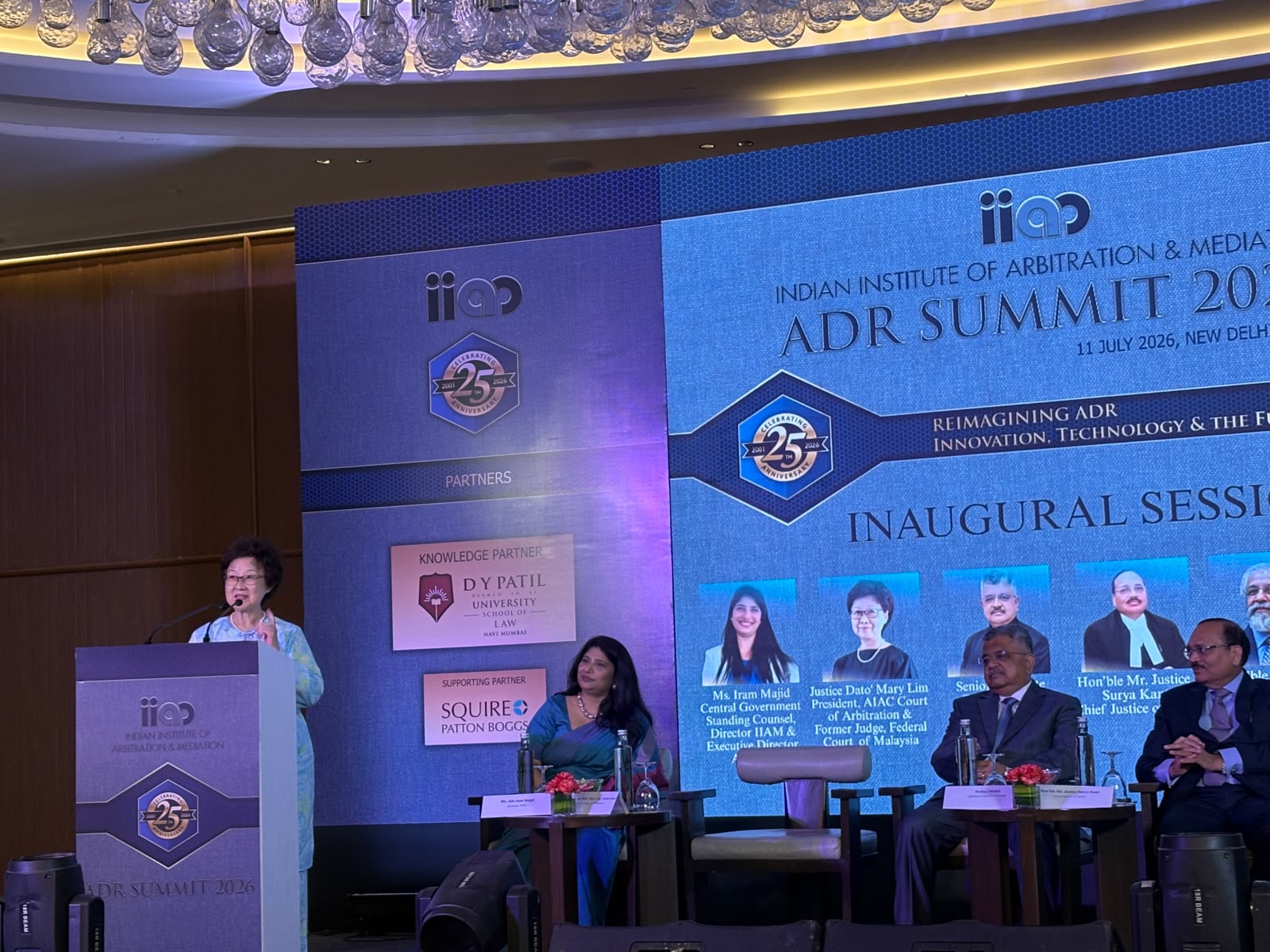
She noted that the Asian International Arbitration Centre (AIAC) has introduced pro bono mediation initiatives and expressed appreciation for the contribution of Indian mediators and arbitrators to regional and international ADR efforts. “These 25 years is no mean feat, but it is worth every silver. The AIAC looks forward to working alongside IIAM as it shapes the future of digital dispute resolution,” she remarked.
Sr Adv Anil Xavier: “IIAM’s Silver Jubilee celebrates an enduring idea”
Anil Xavier, President of IIAM, welcomed the dignitaries and delegates and reflected on the institution’s 25-year journey from its establishment in 2001 to becoming a nationally and internationally recognised ADR institution. Delivering the welcome address, he remarked:
“
“Today is more than a celebration of 25 years. It is a celebration of an idea that justice can be delivered not only through courts, but also through dialogue, cooperation, innovation and professionally managed dispute resolution.”
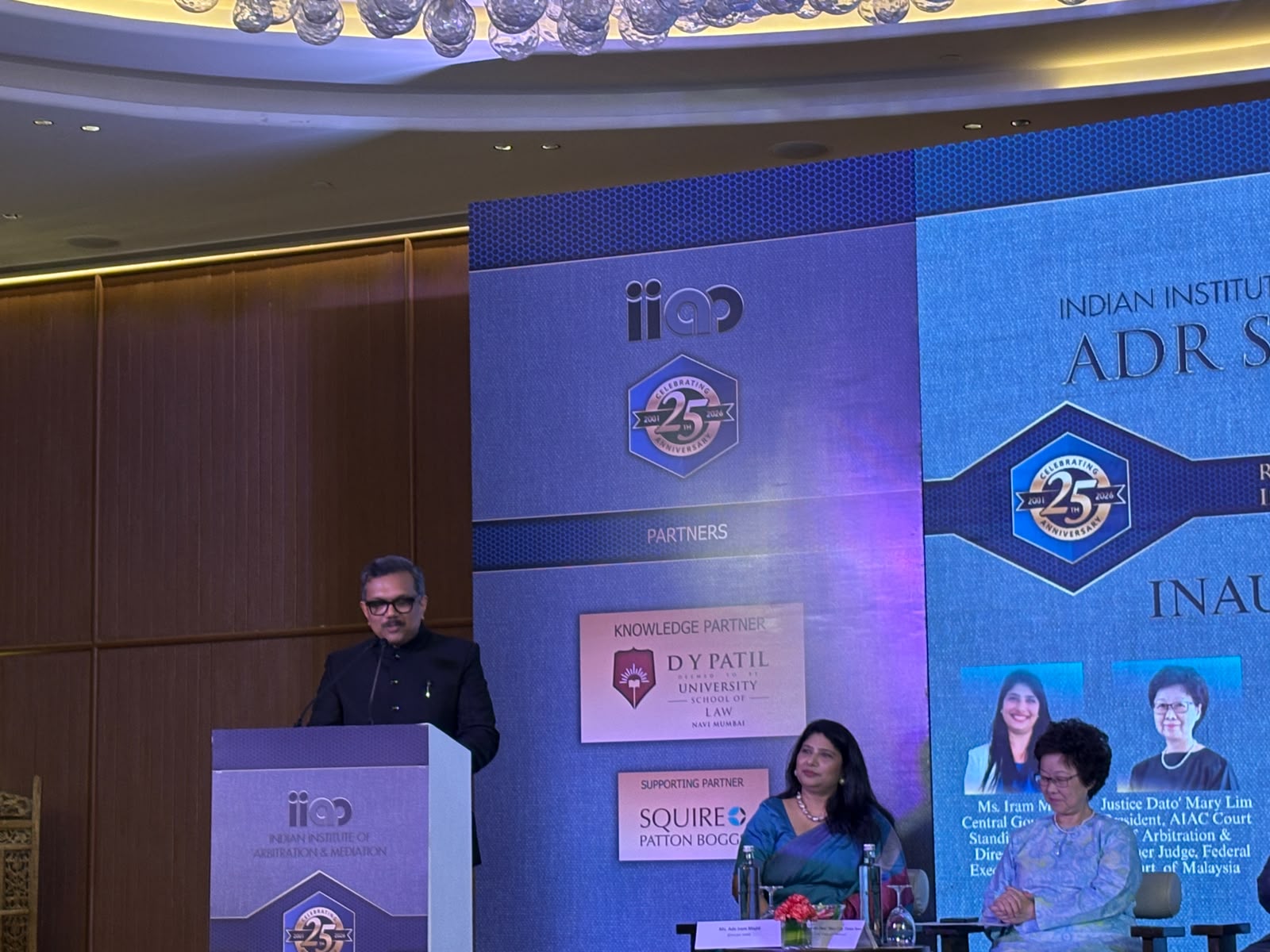
He acknowledged the guidance and support of eminent jurists and ADR practitioners who contributed to IIAM’s growth and noted that the summit provided an opportunity to evaluate the progress of ADR in India while identifying areas requiring further reform. Emphasising the need for India to develop its own arbitration framework rather than replicate foreign systems, he remarked:
“
“We should not merely copy successful models from elsewhere; we should create unique Indian ADR practices that others may seek to emulate.”
The inaugural session set the tone for a day-long series of discussions on arbitration credibility, mediation, digital dispute resolution and artificial intelligence in the justice system.