
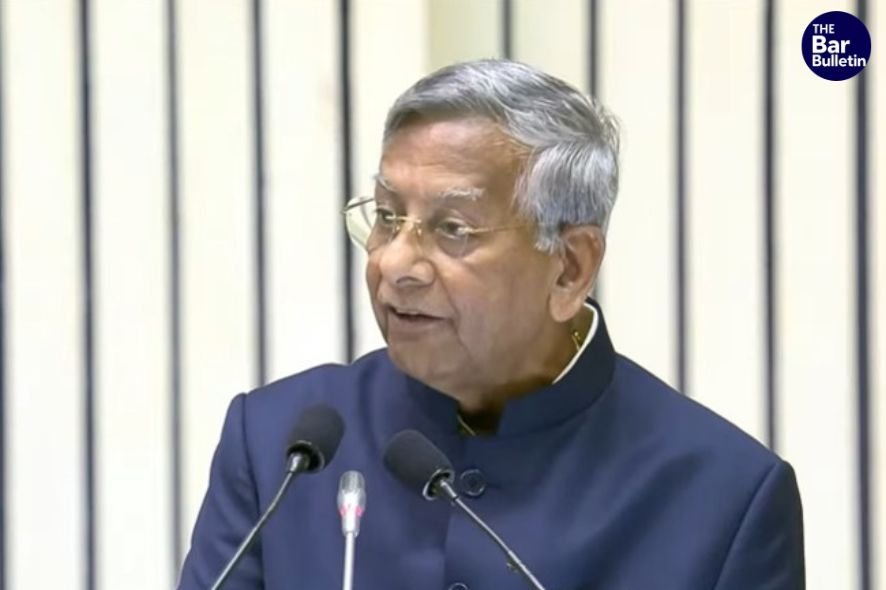

Attorney General R. Venkataramani has proposed a discussion on environmental taxes and levies to compensate nature for the resources extracted from it, while also suggesting the creation of “environmental justice credits” on the lines of carbon credits to incentivise industries, associations and universities engaged in environmental protection.
Speaking at the National Green Tribunal International Conference on “The Future of Environment and Climate Dynamics”, Venkataramani said that environmental protection must be accompanied by mechanisms that encourage people and institutions to actively contribute towards environmental justice. He said:
“
“Citizen environment taxes or levies to compensate for what we take from nature may be debated. Without giving back to nature, we cannot thanklessly consume its bounties. Environmental justice credit like the carbon credit can be conceived as incentives for those who engage in environmental impact or promotion conduct be industries, associations or even universities. Such incentives can be in any form and incentives can be matters of encouragement to people to actively work in promotion of environmental justice. All this can be addressed I think also by tax incentives and tax exemptions.”
The Attorney General also proposed rethinking onthe relationship between economic development, environmental protection and human needs. He said that climate action has opened up questions concerning the possibility of a global common-good economic framework and equality-driven development.
He stressed that environmental justice cannot be considered in isolation from issues such as energy and food security, housing, urban and rural ecosystems, health, access to basic resources and economic opportunities. He said legal regimes must also be examined for their ability to address the increasingly complex relationship between economic transactions and human needs in a globally connected world.
The Attorney General also called for a broader environmental regulatory framework that goes beyond declarations and establishes common rules concerning the use of natural resources and enforcement.
He said the changing nature of ecology requires a corresponding change in the way societies respond to environmental challenges and called for a “new civilizational framework” informed by wisdom and a deeper understanding of the relationship between human life and nature.
He also referred to disasters such as the recent disaster in Nepal as reminders of the limits of human control over natural systems.
“
“Disasters like what happened in Nepal are grim reminders. Mountains and glaciers are trains of nature and they cannot be asked to yield to our terms,” he said.
He further called for international environmental justice to move beyond treaties and declarations towards a common, enforceable environmental justice code. He said climate action must be pursued alongside addressing poverty, inequality, hunger and access to basic resources, while warning that the transition to cleaner energy requires large-scale infrastructure and investment.
He also floated the possibility of a dedicated Earth science university and an environmental justice capacity body or commission, alongside the development of cities informed by Earth science considerations. Towards the end of his address, the Attorney General called for a shift away from a wasteful and throwaway culture towards more conscious ways of living, urging individuals to develop a deeper understanding of their relationship with the Earth. He said:
“
“From designing our ways of life around a wasteful and throwaway culture into one which will demand from us deeply spiritual ways of thinking and living and each one of us becoming an earth scientist. When each one of us becomes an earth scientist beyond a mere resource consumer, rules of a higher order will reveal them.”