
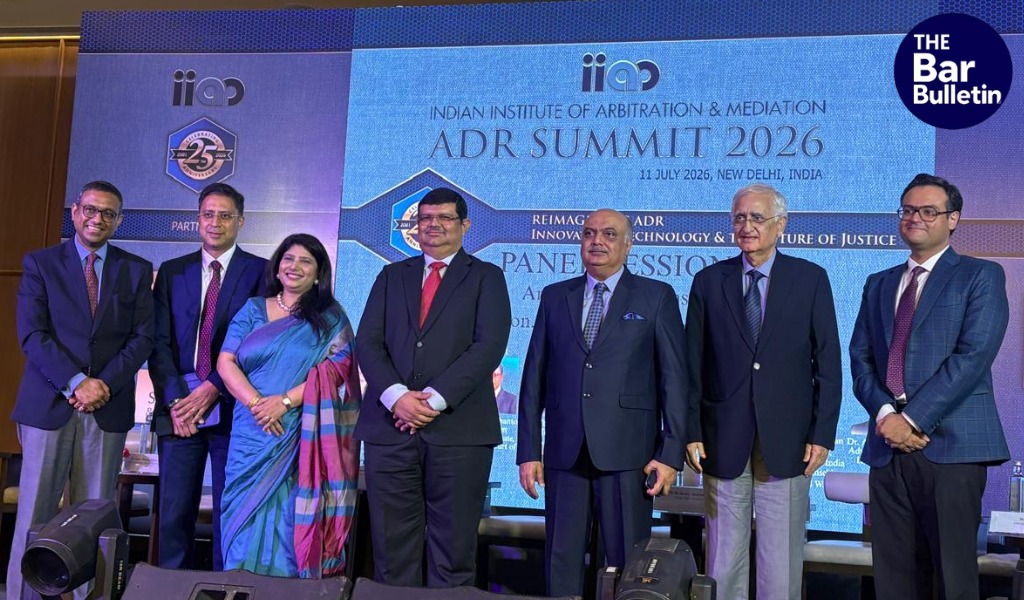
The inaugural panel discussion at the IIAM ADR Summit 2026, titled “Arbitration in Transition: Innovation, Credibility & Global Perspectives,” brought together judges of the Supreme Court and Delhi High Court, leading senior advocates, and arbitration practitioners to deliberate on the evolving landscape of arbitration in India.
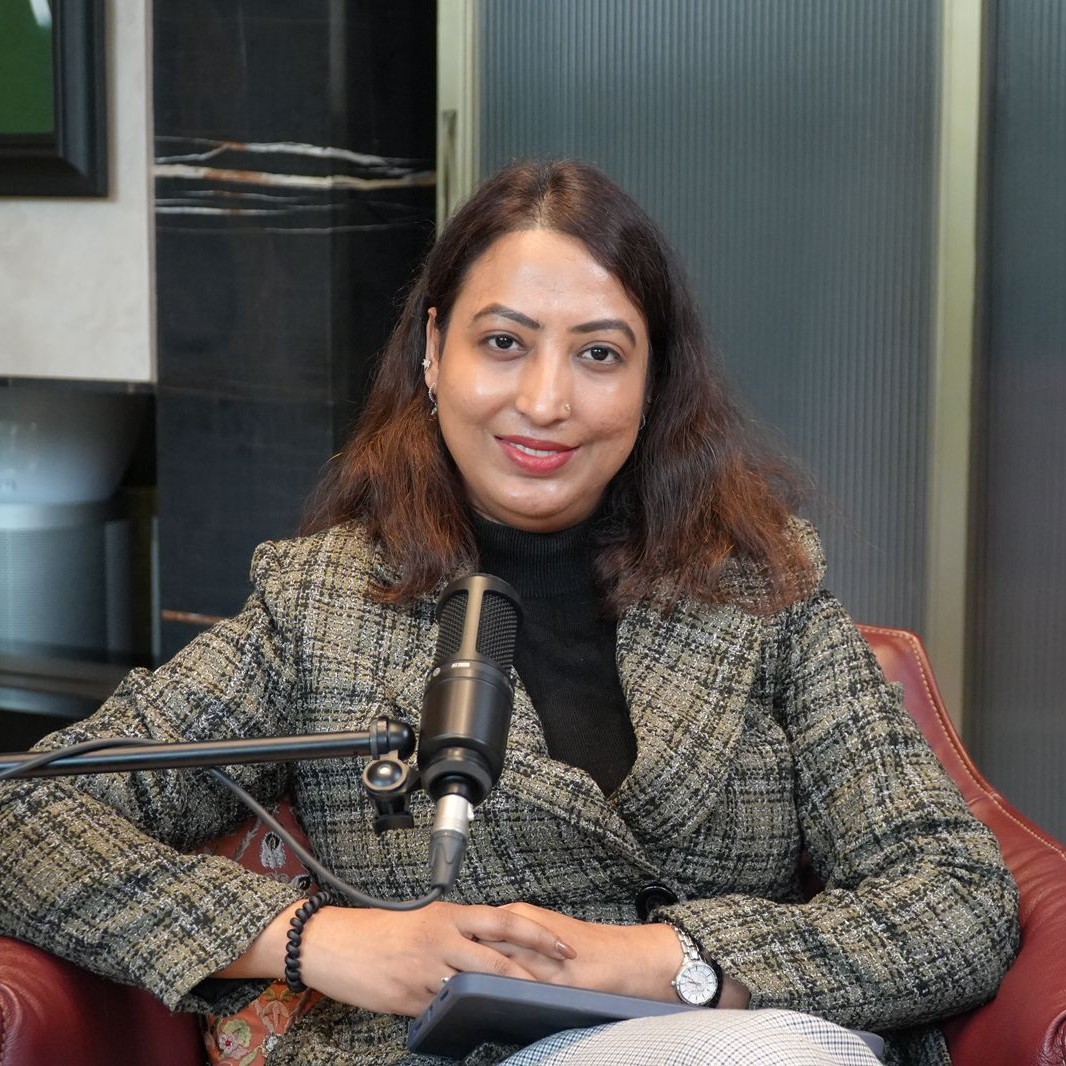
The session was chaired by Justice Ahsanuddin Amanullah, Judge, Supreme Court of India, and co-chaired by Justice Tejas Karia, Judge, Delhi High Court. The discussion was moderated by Ms. Iram Majid, CGSC, Director, IIAM and Executive Director, APCAM. The panel featured Senior Advocate Salman Khurshid, Senior Advocate Prashanto Chandra Sen, Senior Advocate Nakul Dewan KC, Senior Advocate Rajshekhar Rao, and Dr. Amit George.
Opening the discussion, Justice Ahsanuddin Amanullah highlighted that arbitration can become a genuine alternative to litigation only if it enjoys the confidence of users. He observed that while institutions and legislative reforms have advanced significantly, the true strength of arbitration lies in the confidence parties repose in the neutrality and fairness of the process.
Addressing the practical realities of arbitration, Justice Tejas Karia remarked that the arbitration ecosystem has matured considerably over the past decade, but emphasised that the next phase of growth would depend upon improving efficiency, consistency, and the quality of arbitral decision-making.
Speaking on the challenges confronting the arbitral process, Senior Advocate Salman Khurshid observed that the original objective of Alternative Dispute Resolution was to reduce the burden on courts, but in practice, arbitral proceedings frequently culminate in prolonged court challenges.
“
“ADR was meant to reduce the burden on courts, but we often end up burdening the courts even further.”
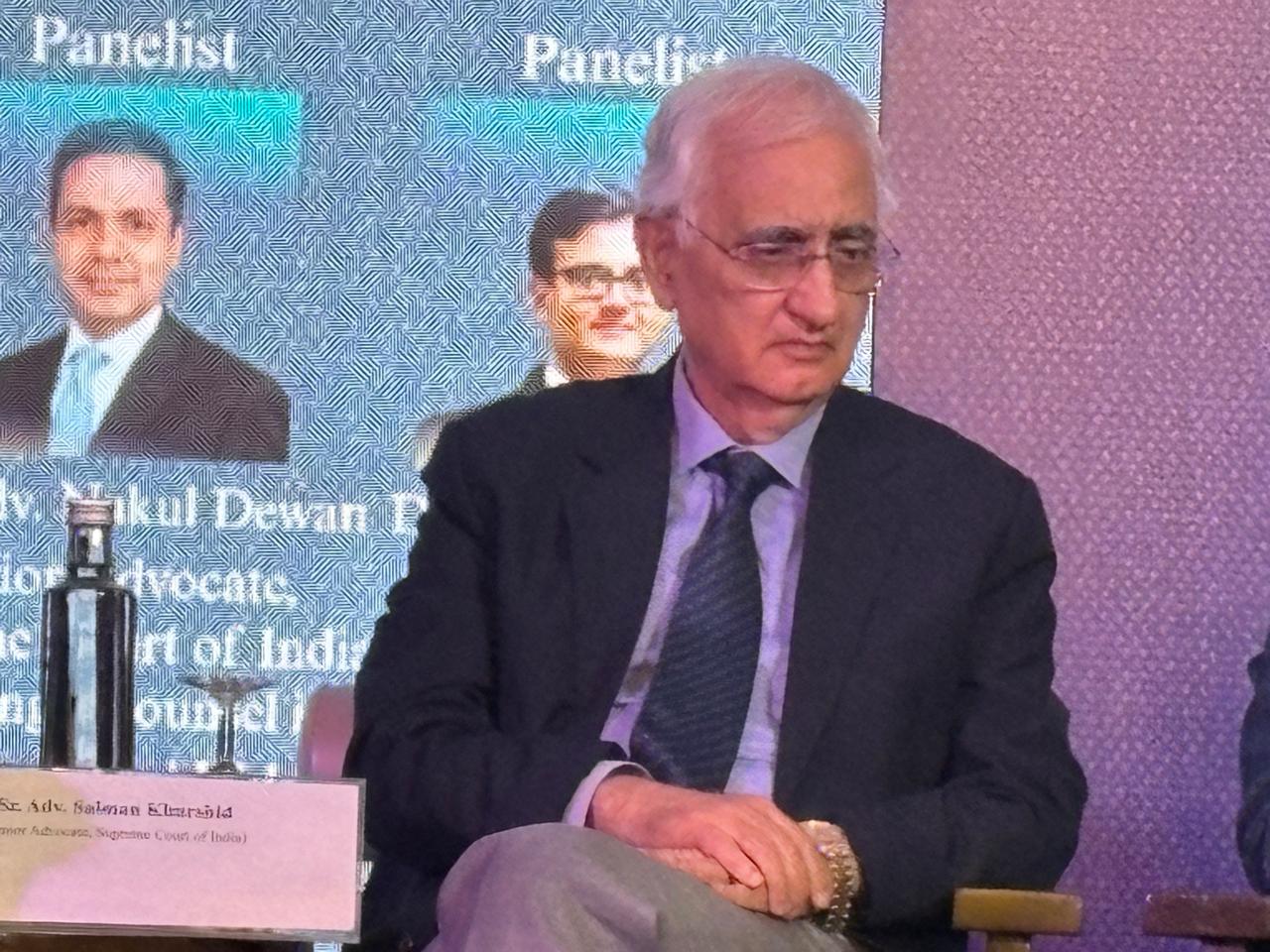
He stressed that arbitration should not merely replicate courtroom litigation in another forum and called for a more efficient, commercially responsive dispute resolution process.
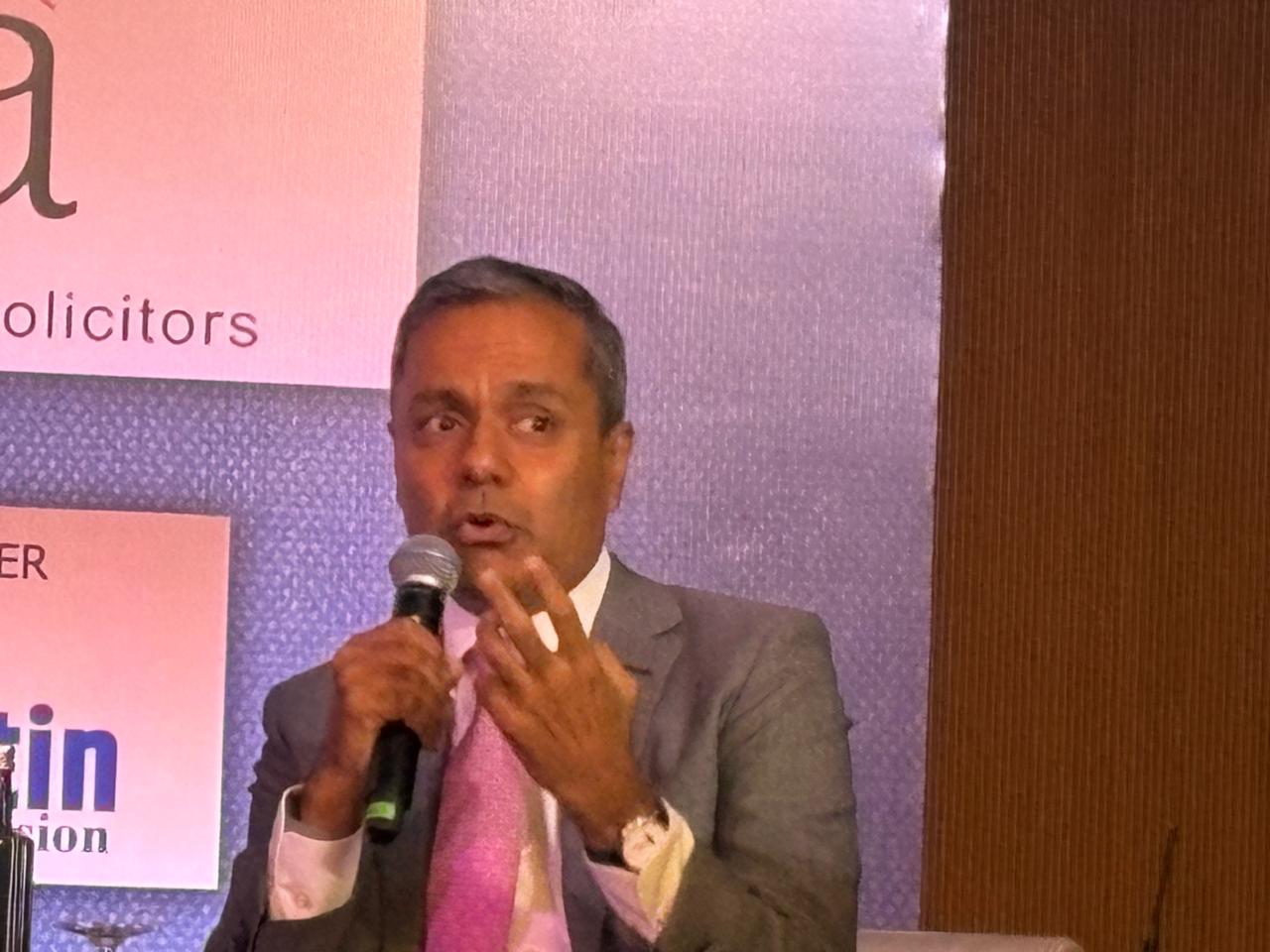
Senior Advocate Nakul Dewan KC highlighted the importance of ethics and professional responsibility in arbitral practice, stating that the credibility of arbitration ultimately depends upon the integrity of those conducting the process.
“
“Integrity comes first.”
He explained that from the perspective of an arbitrator, impartiality cannot be compromised, irrespective of who appoints the tribunal or the commercial stakes involved. Reflecting on ethical decision-making, he observed that an arbitrator must be prepared to decide against the party that appointed them if the law and evidence so require.
During the discussion, Justice Ahsanuddin Amanullah also remarked:
“
“Put your hand on your heart. If somebody told you that this case will be decided in your favour, would you stop preparing for the other side? We are very candid about it.”
The panel further examined India’s aspiration of becoming a global arbitration hub, with speakers emphasising that institutional arbitration, transparent procedures and internationally accepted standards are essential to attracting cross-border commercial disputes.
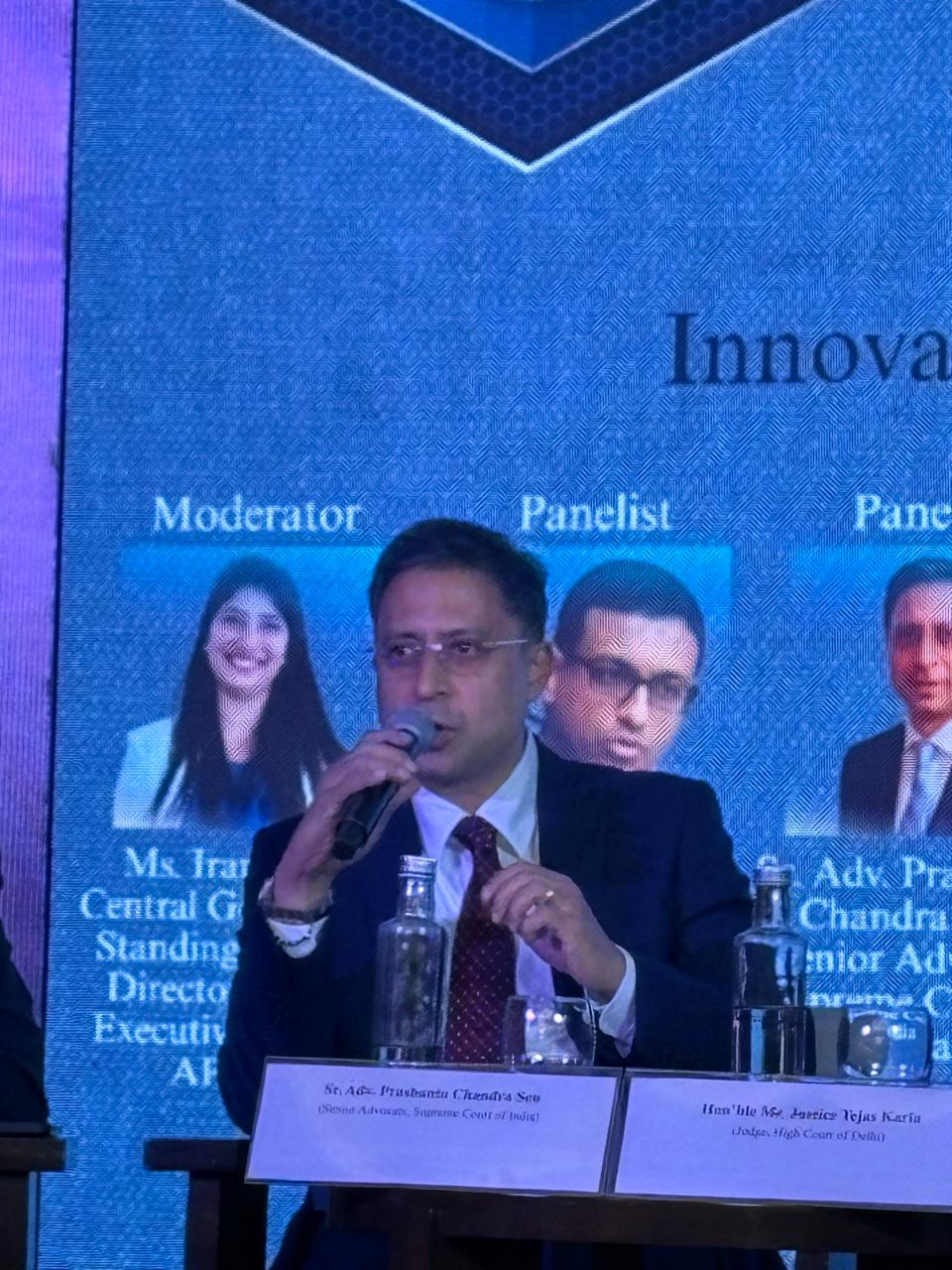
Senior Advocate Prashanto Chandra Sen highlighted the need for greater predictability and consistency in arbitral jurisprudence, noting that commercial parties value certainty as much as speed.
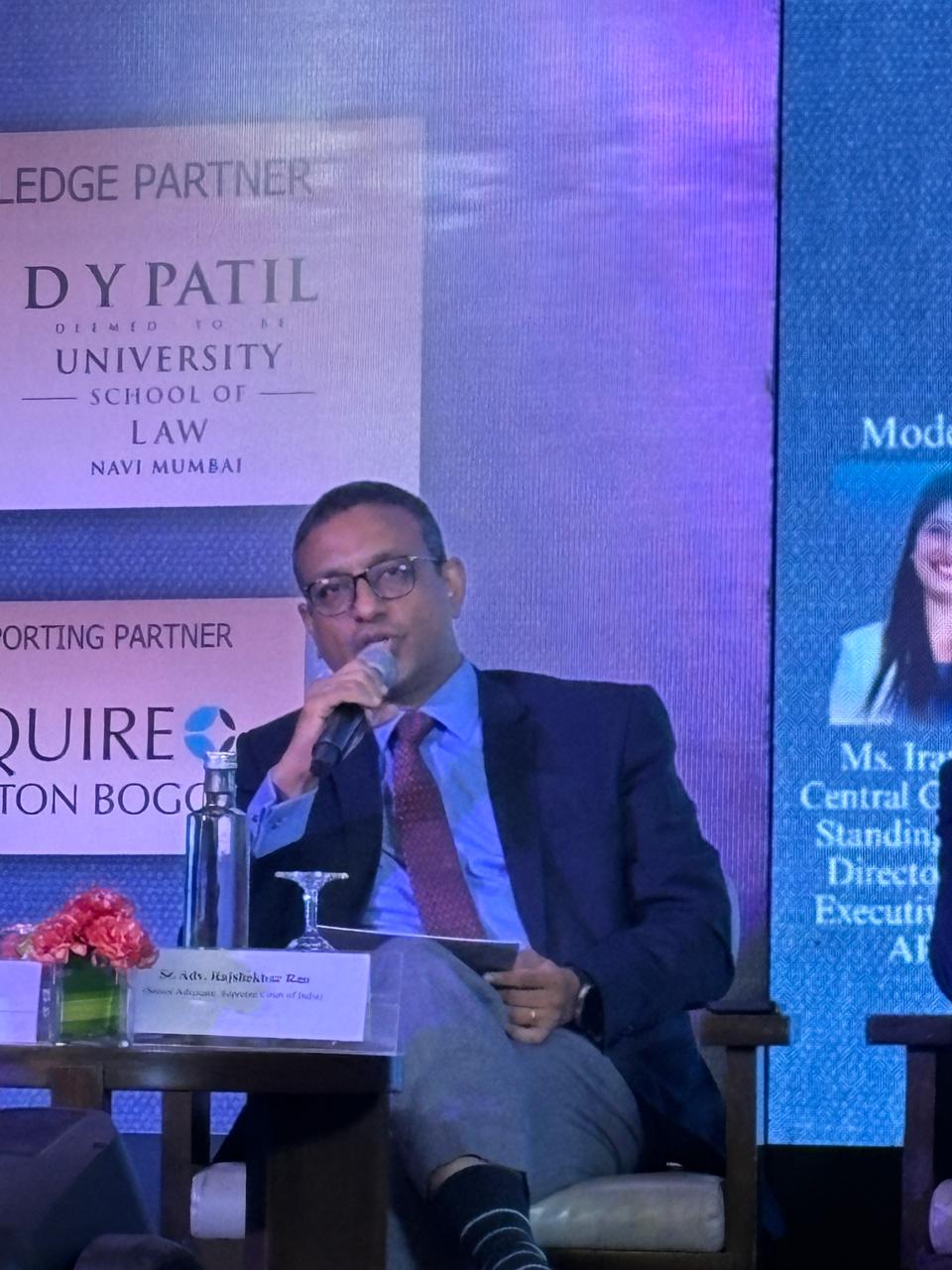
Senior Advocate Rajshekhar Rao stressed that institutional mechanisms and professionally administered arbitration are indispensable for enhancing confidence among domestic and international users.
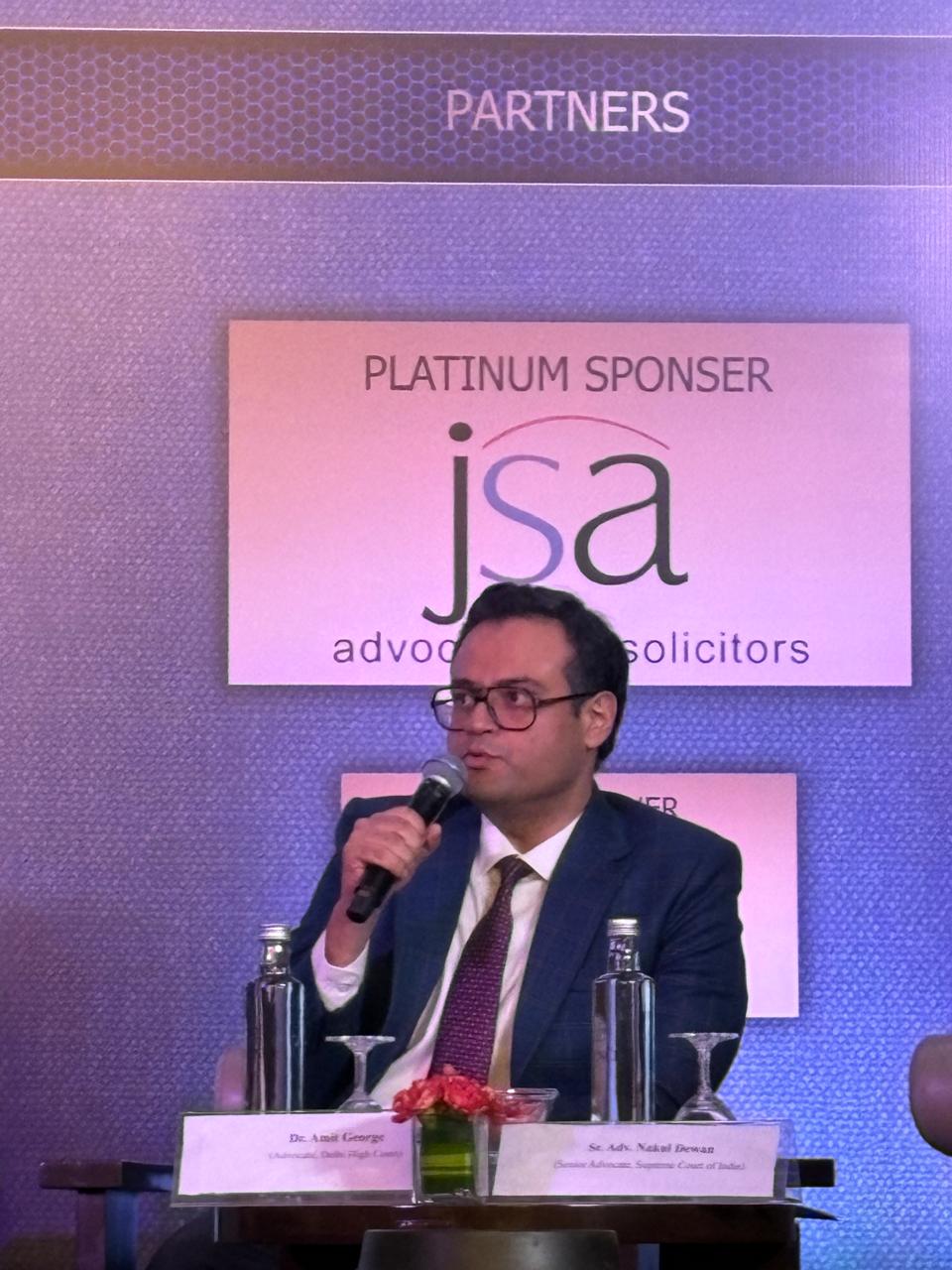
Dr. Amit George observed that India’s arbitration framework has undergone substantial legislative and judicial development, but the focus must now shift towards implementation and institutional excellence rather than further legislative experimentation.
The session concluded with a broad consensus that while India has made significant progress in arbitration reforms, the future of arbitration depends less on legislative amendments and more on strengthening institutions, upholding ethical standards, ensuring quality appointments, and fostering confidence among users.