
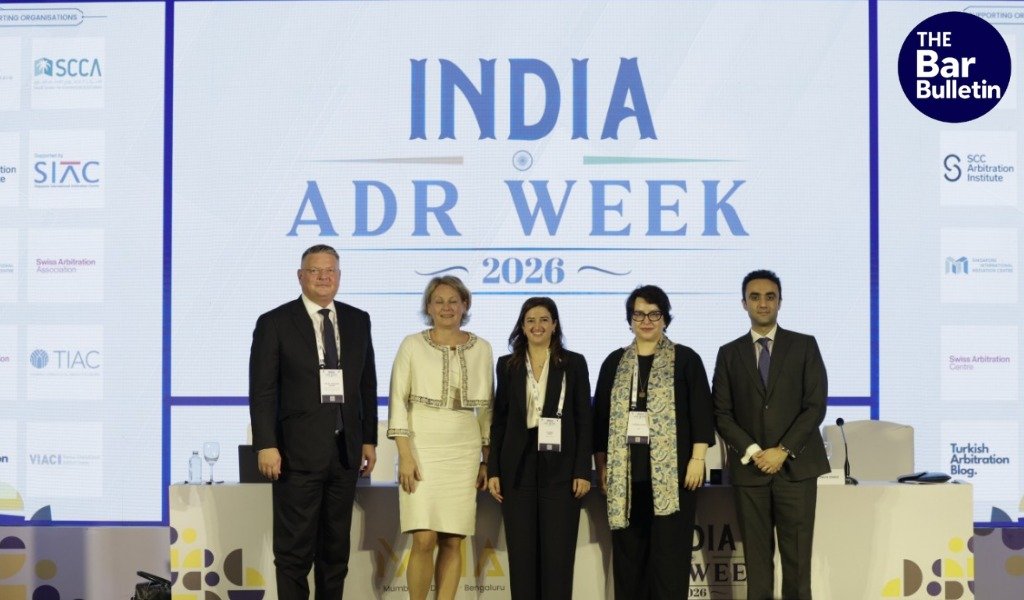

The growing intersection between geopolitics, sanctions, regulatory measures and cross-border commerce is fundamentally reshaping international arbitration, with practitioners calling for greater contractual preparedness and a deeper understanding of the geopolitical risks affecting commercial disputes.
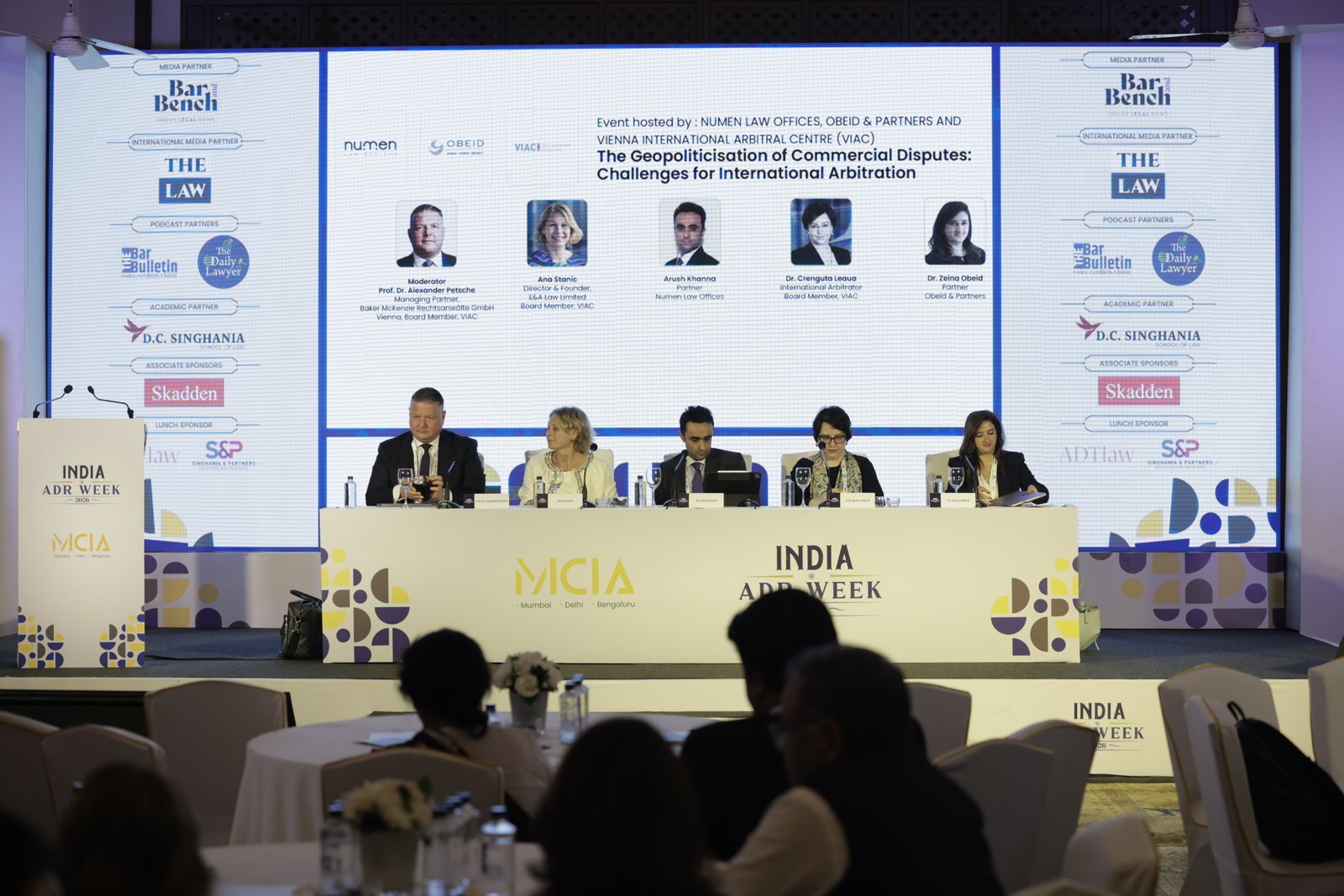
These issues came under discussion during a session titled “The Geopoliticisation of Commercial Disputes: Challenges for International Arbitration” at India ADR Week 2026. The session was moderated by Prof. Dr. Alexander Petsche, Managing Partner, Baker McKenzie Rechtsanwälte GmbH, Vienna, and Board Member, Vienna International Arbitral Centre (VIAC), and featured Ana Stanic, Director & Founder, E&A Law Limited and Board Member, VIAC; Arush Khanna, Partner, Numen Law Offices; Dr. Crenguta Leaua, International Arbitrator and Board Member, VIAC; and Dr. Zeina Obeid, Partner, Obeid & Partners.
Opening the discussion, Prof. Dr. Petsche observed that lawyers have increasingly had to adapt to disruptions caused by the COVID-19 pandemic, wars, sanctions and regulatory changes. He noted that concepts such as force majeure, once largely confined to textbooks, have become central to international commercial disputes as geopolitical developments disrupt supply chains, payment mechanisms and business models.
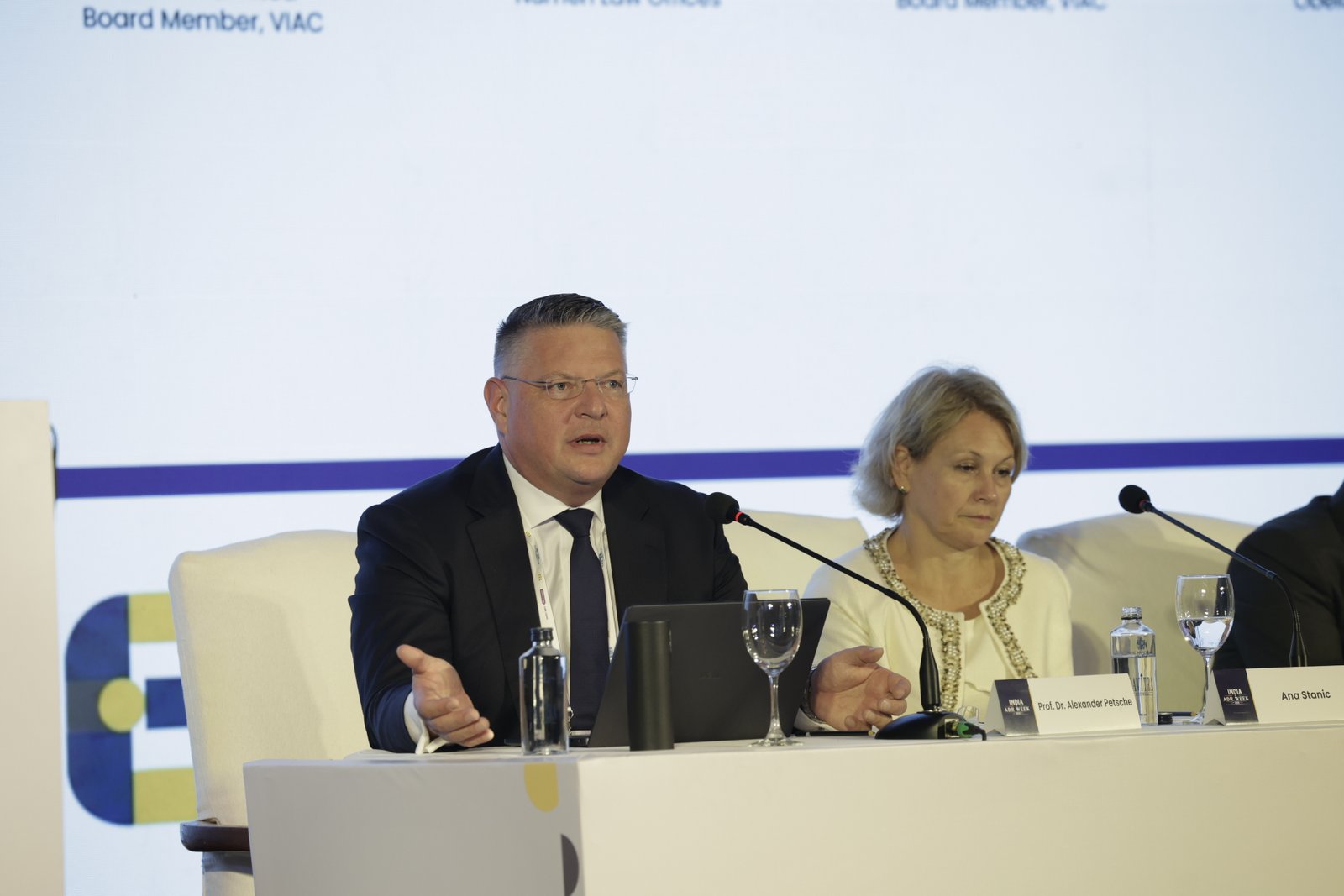
He highlighted the practical difficulties arising when sanctions prevent contractual performance, including situations where banks refuse transactions involving sanctioned entities. He questioned whether the traditional understanding of force majeure remains adequate in a world where pandemics, sanctions, tariffs, wars and other geopolitical disruptions are increasingly foreseeable.
Dr. Crenguta Leaua, speaking from a Central and Eastern European perspective, stressed the importance of recognising differences between legal systems while drafting contracts. She advised parties to define force majeure events specifically rather than assuming that the concept carries the same meaning across jurisdictions. She further highlighted the need to consider whether contractual lists of events are exhaustive or illustrative and to expressly address whether an arbitral tribunal would have jurisdiction to adapt contractual terms in response to changed circumstances.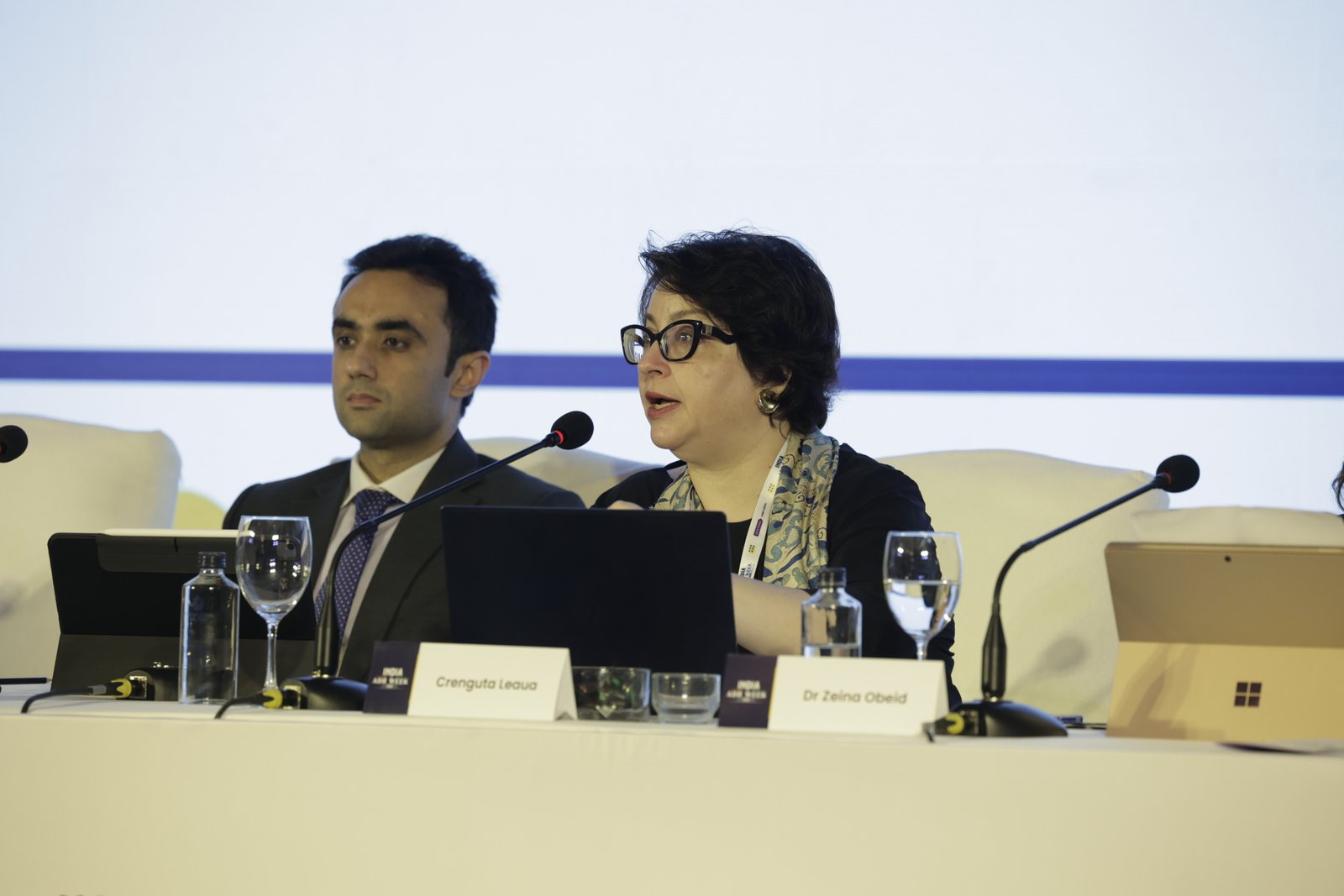
Ana Stanic explained that under English law, force majeure is fundamentally contractual and therefore depends heavily on the wording of the agreement. Referring to the UK Supreme Court’s decision in RTI Ltd v. MUR Shipping, she highlighted the importance of carefully drafting reasonable-endeavours obligations, particularly where sanctions affect contractual performance or payment mechanisms.
She further pointed to emerging contractual tools such as stabilisation clauses, adaptation clauses and economic rebalancing clauses, particularly in contracts involving governments or states. According to Stanic, these mechanisms are increasingly relevant in addressing regulatory and geopolitical uncertainty.
From the Indian perspective, Arush Khanna noted that force majeure is not expressly defined as a statutory concept and remains substantially contractual. He discussed the Indian enforcement landscape with reference to Nafed v. Alimenta, observing that the case demonstrated how contractual provisions concerning government restrictions can intersect with questions concerning the enforcement of foreign arbitral awards. The discussion then turned to sanction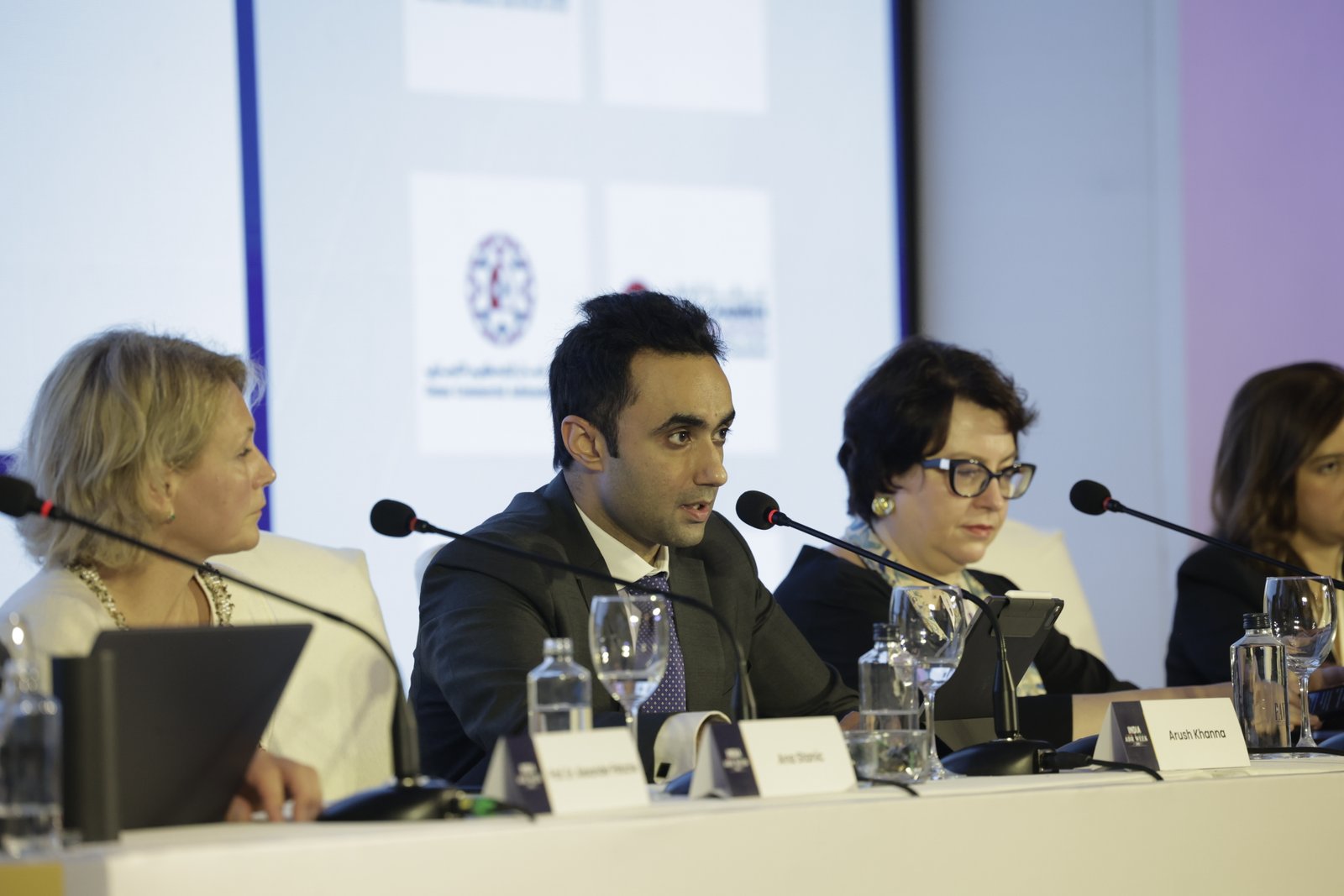 s and their increasing impact on arbitration.
Ana Stanic emphasised that sanctions are no longer a one-directional issue affecting only sanctioned entities. They can also prevent counterparties from receiving payments or enforcing otherwise valid awards. She described the situation as a clash between arbitration, founded on party autonomy, and regulatory measures that may prevent parties from actually performing or receiving the benefit of contractual and arbitral outcomes.
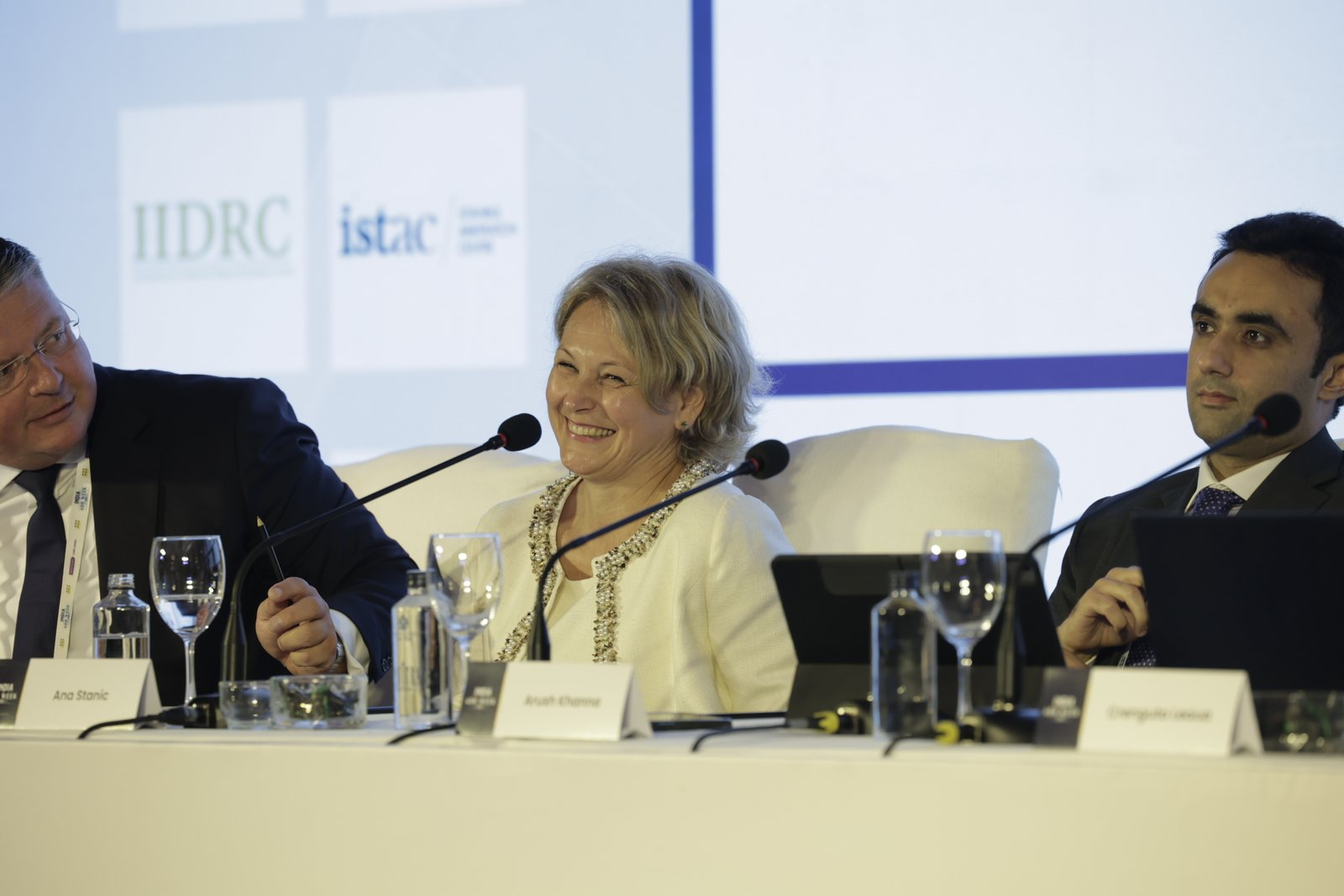
She also observed that geopolitical and economic measures increasingly form part of modern forms of warfare, making it difficult to consider arbitration independently from sanctions, investment restrictions and other regulatory interventions.
Arush Khanna further addressed the possibility of India introducing an autonomous sanctions regime. He observed that India would need to carefully calibrate any such framework with its commitments under the New York Convention, cautioning against creating a mechanism that could undermine India’s ambitions of emerging as a global arbitration hub. He suggested that matters involving national interest and security may need to be distinguished from ordinary commercial adjudication.
Dr. Zeina Obeid brought a Middle Eastern perspective to the discussion, distinguishing force majeure from hardship or exceptional circumstances. She explained that while force majeure concerns impossibility of performance, hardship may arise where performance remains possible but becomes excessively onerous. In such circumstances, tribunals may be called upon to consider whether contractual equilibrium can be restored, including through financial compensation.
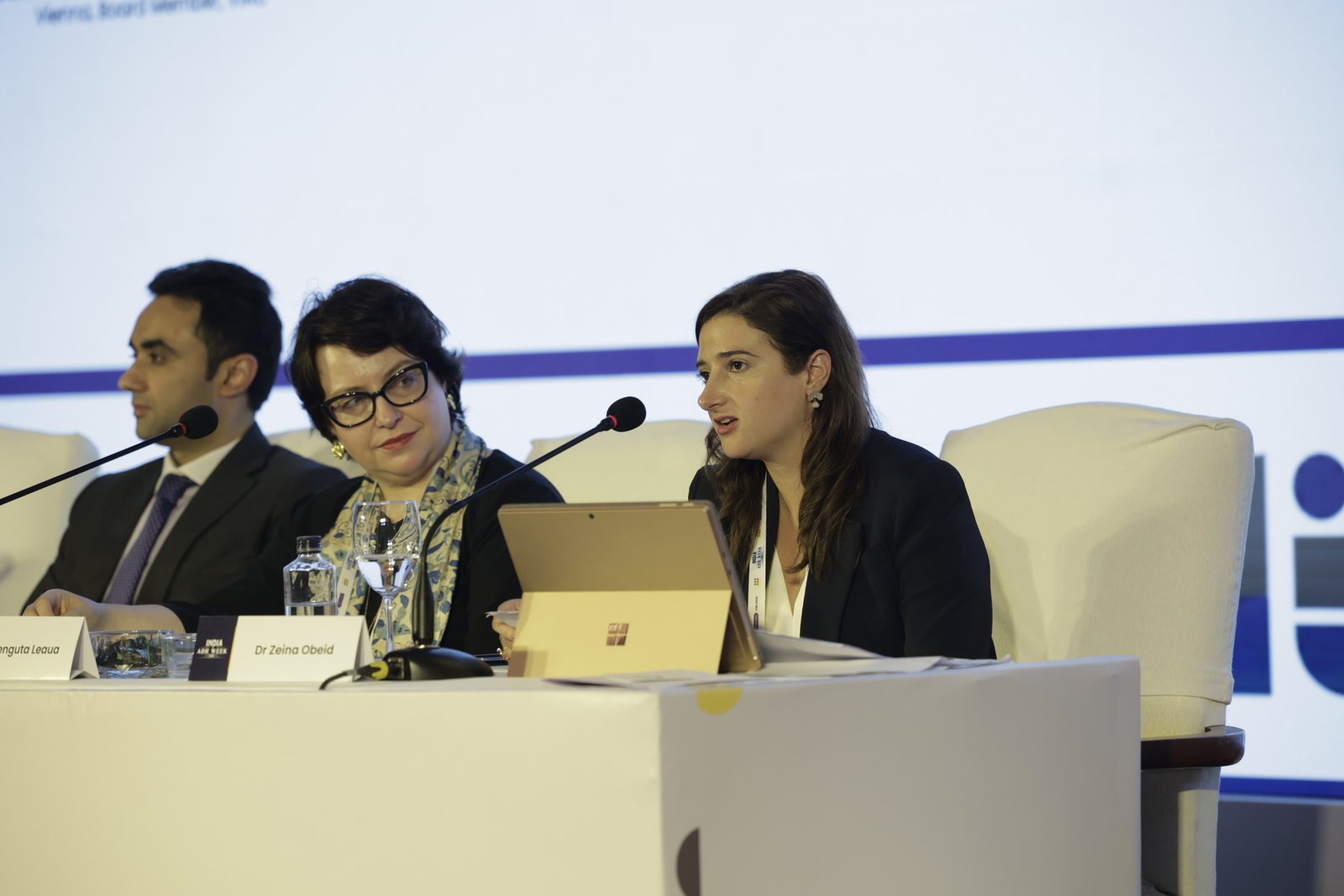
She also highlighted the approach adopted across UAE and GCC jurisdictions, noting that courts examine factors such as causation, allocation of risk, foreseeability and whether performance has become impossible or merely more onerous.
The session concluded with Prof. Dr. Petsche observing that the complexities created by geopolitical uncertainty may themselves reinforce the case for arbitration, provided disputes are entrusted to arbitrators capable of understanding the geopolitical circumstances surrounding the dispute.