
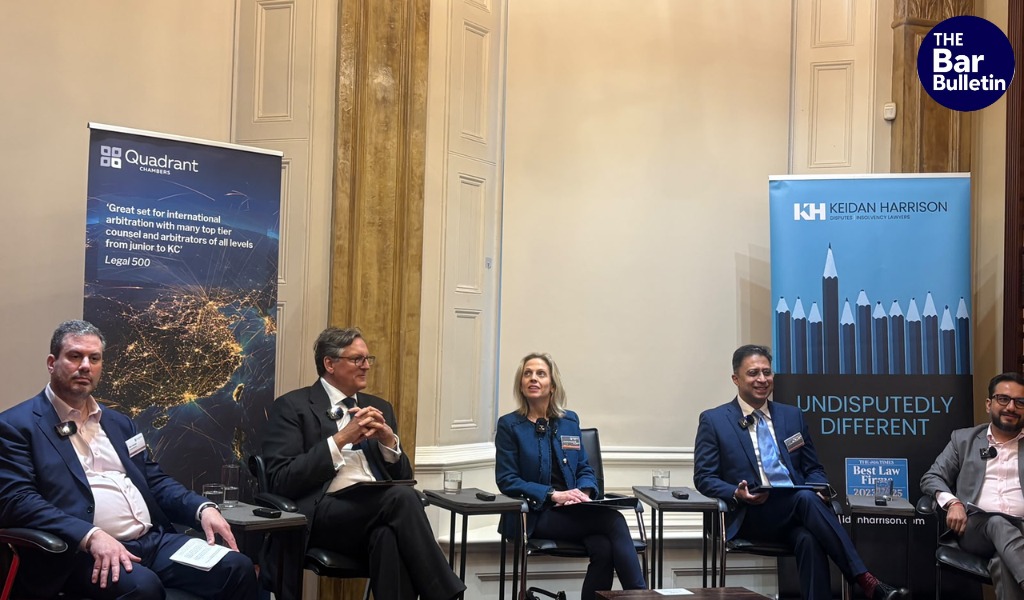
Is mediation the answer to growing arbitration and litigation fatigue? This question took centre stage at a thought-provoking panel discussion during London International Disputes Week (LIDW) 2026, where leading practitioners from the United Kingdom and India examined whether mediation and neutral evaluation can offer faster, cheaper and more commercially effective dispute resolution.
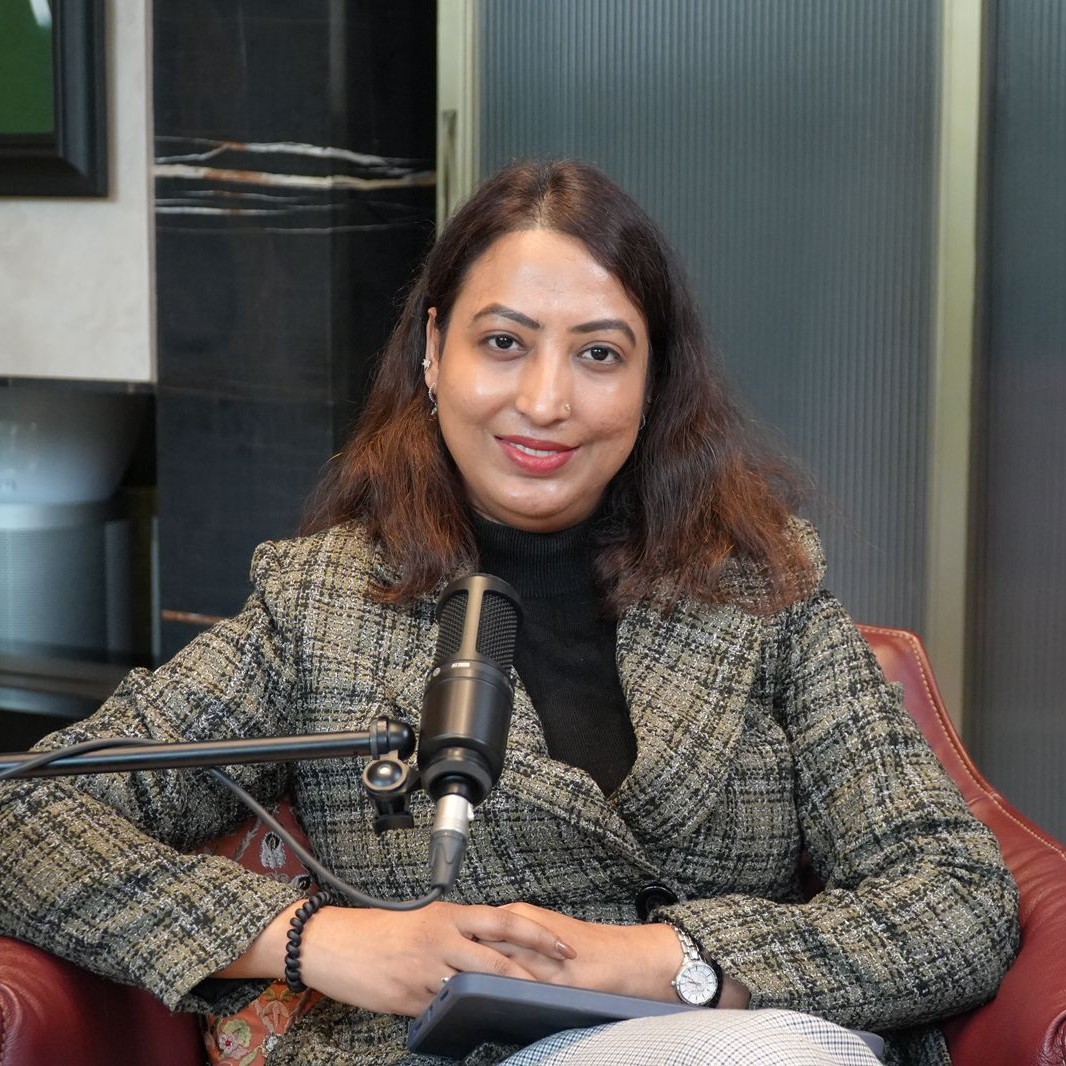
The session, “Arbitration/Litigation Fatigue? Is Mediation or Neutral Evaluation Faster, Cheaper and Better? Reflections from the UK and India,” featured Robert-Jan Temmink KC and Prashanto Chandra Sen SA of Quadrant Chambers, Marc Keidan, Partner at Keidan Harrison, and Sidharth Sethi, Partner at JSA Law.
Setting the tone for the discussion, Robert-Jan Temmink KC questioned whether arbitration still delivers on its original promise.
“
“Arbitration was designed as a faster and cheaper alternative to litigation. But in my view, it has largely ceased to be either,” he observed, pointing to increasing costs, lengthy timelines and procedural complexity.
Temmink argued that mediation has a critical role to play but stressed that success depends on timing and the quality of the mediator.
“
“Mediation is only as good as the mediator. In hard-fought commercial disputes, parties sometimes need a credible neutral willing to test the strengths and weaknesses of their positions,” he said.
Offering the UK practitioner’s perspective, Marc Keidan highlighted how mediation has become deeply embedded in commercial litigation practice through a combination of judicial encouragement and commercial pragmatism.
“
“The real attraction of mediation is that parties can tailor solutions that no court or arbitral tribunal could ever impose,” Keidan remarked, adding that businesses increasingly value certainty, cost savings and the ability to move forward rather than prolong disputes.
Drawing comparisons between the UK and India, he noted that while the institutional ecosystems differ, India is steadily moving towards a stronger mediation culture through legislative reform and changing commercial expectations.
Presenting the Indian perspective, Sidharth Sethi emphasised that mediation is not an imported concept but one rooted in India’s own legal and cultural traditions.
“
“Mediation is not a new concept in India. It is deeply aligned with India’s traditional and cultural approach to conflict resolution. Modern mediation merely institutionalises principles that have existed in our society for centuries,” he said.
Tracing its origins from the Mahabharata and the Panchayat system to the Mediation Act, 2023, Sethi argued that businesses today seek more than legal victories.
“
“The real question today is not whether we should choose arbitration or mediation. The question is which mechanism best preserves business value and future commercial cooperation,” he noted.
He added that parties increasingly prioritise speed, confidentiality and preservation of commercial relationships, making mediation an indispensable component of modern dispute resolution.
Concluding the panel, Prashanto Chandra Sen SA acknowledged that while pre-litigation mediation in India has yet to achieve significant settlement rates, the country’s commercial culture is naturally inclined towards negotiated resolution.
“
“It is instinctive in Indian business culture to settle disputes because business relationships matter,”Sen observed.
He noted that India’s growing emphasis on mediation is also driven by the need to reduce judicial backlog while enabling businesses to resolve disputes efficiently and preserve long-term commercial partnerships.
The discussion reflected a growing consensus that arbitration and litigation need not compete with mediation but should operate alongside it, with parties choosing the mechanism best suited to the nature and stage of the dispute. As commercial relationships become increasingly complex and global, the panel agreed that mediation is poised to play a far greater role in the future of dispute resolution in both India and the United Kingdom.