
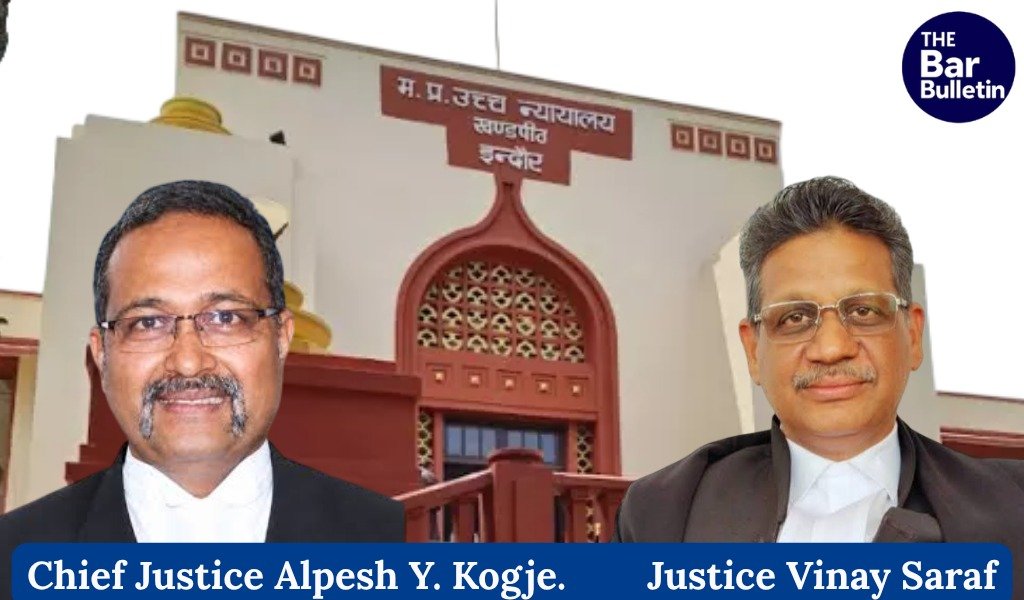

The High Court of Madhya Pradesh (Indore Bench) has declined to interfere with reassessment proceedings initiated against Indo Education and Services Foundation and others, where the trigger was material collected during a Section 133A survey. The Court found that this was not a case of ‘no evidence’, as the show-cause notice referred to documents and statements gathered during the survey, and the Assessing Officer recorded satisfaction after considering the reply.
However, the Court expressly declined to examine the sufficiency of that material at this stage, noting that any findings on merits could prejudice either side. Two objections were left open for the Assessing Officer: (1) notices issued in the names of erstwhile societies that had since converted into companies, and (2) inadequate supply of the supporting survey material.
The High Court found that the constitutional challenge to Explanation 2(ii) to Section 148, which deems information to be available where assessment is reopened based on survey material, was not examined. The Court held that a bare assertion of unconstitutionality without supporting pleadings, prima facie acceptable grounds, or factual material was insufficient, particularly when raised at the fag end of reassessment. The provision’s validity was expressly left open.
Briefly, Indo and Indore Education and Services Foundations challenged reassessment proceedings initiated under the Income Tax Act, including notices under Section 148 and orders under Section 148A(d). The proceedings followed a survey under Section 133A on 21 December 2023, during which documents and loose papers were impounded and statements were recorded. For Assessment Year 2023–24, the Assessing Officer issued a show-cause notice, considered the reply, obtained approval under Section 151 and issued the reassessment notice on 3 April 2025.
The petitioners argued that the notices were issued to erstwhile societies that had already been converted into companies, that relevant supporting material had not been supplied, and that Explanation 2(ii) to Section 148, concerning deemed information, was unconstitutional.
The Division Bench comprising the Chief Justice Alpesh Y. Kogje and Justice Vinay Saraf noted that the show-cause notice referred to material, evidence and documents collected during the survey, and that the Assessing Officer had considered the reply and recorded satisfaction before initiating reassessment. The Court said this was not a case of no evidence, but declined to examine the sufficiency of the material while reassessment was underway, as findings on merits could prejudice either side.
The Court held that the objections concerning notices issued in the societies’ names and inadequate supply of material could be raised before the Assessing Officer. On the facts and material before it, the Court found no reason to interfere under Articles 226/227 at the intermediate stage of reassessment, before the statutory authority had concluded the proceedings.
The Court also held that merely asserting that a provision is unconstitutional is insufficient: the challenge must be supported by proper pleadings, prima facie acceptable grounds and factual material. Because those foundations were absent and the petitions were filed at the fag end of reassessment, it declined to examine Explanation 2(ii) to Section 148 and expressly left its constitutional validity open.
