
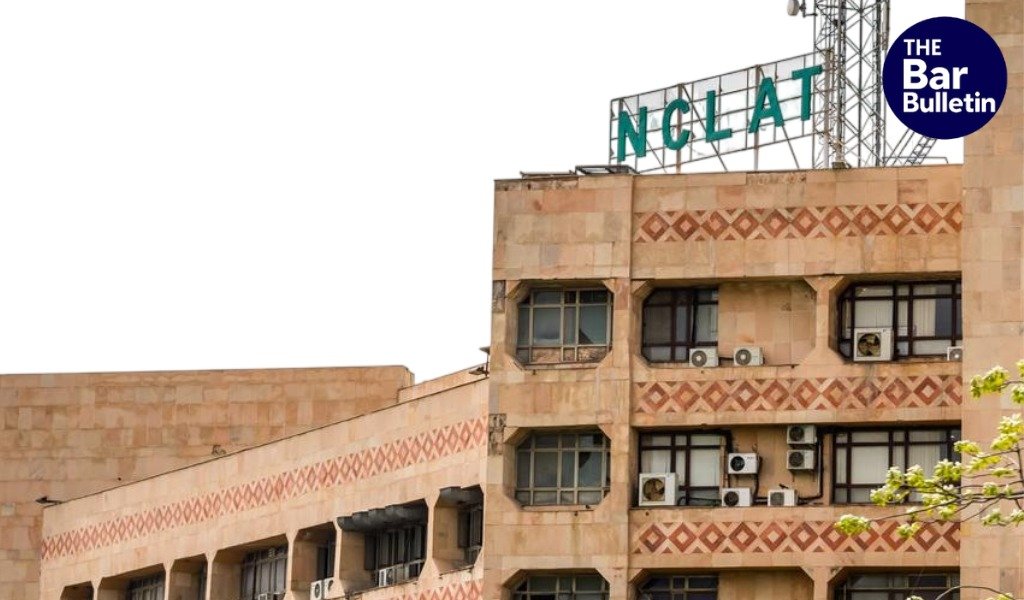

Can unsecured-loan entries and TDS deductions turn a failed share purchase payment into financial debt? The New Delhi Principal Bench of the National Company Law Appellate Tribunal (NCLAT) has upheld dismissal of a Section 7 application concerning Rs. 1.39 crores paid under a tripartite share purchase MOU. The MOU contained no repayment obligation or return for the use of money over time. The alleged subsequent oral agreement converting the payment into an interest-bearing loan remained unproved.
The NCLAT held that accounting entries, balance confirmations and TDS deductions did not establish financial debt where the MOU recorded share purchase consideration and the alleged subsequent agreement converting it into a loan remained unproved. The Tribunal found insufficient evidence of the alleged oral agreement and its terms, but it did not rule that oral agreements can never support financial debt claims.
While distinguishing balance-sheet acknowledgment from satisfaction of Section 5(8) IBC, the NCLAT clarified that describing the amount as an unsecured loan or deducting TDS on interest did not, by itself, establish that the money was disbursed against consideration for its time value. The Tribunal also recognised that payment or stipulation of interest is not essential to financial debt.
Briefly, Catalyst Refinery Services Private Limited paid Rs. 1.39 crores to Ganpati Global Private Limited under a tripartite MOU dated 27 August 2014 for purchasing the shareholders’ entire shareholding. The share purchase did not materialise. Catalyst claimed that the parties subsequently agreed orally to treat the payment as an unsecured loan carrying 11% annual interest, repayable on demand. It relied on Ganpati’s balance sheets, balance confirmation letters, interest credits and TDS deductions. Ganpati denied any loan agreement and maintained that the payment was part of the share purchase consideration.
The Larger Coram comprising Justice Sharad Kumar Sharma (Judicial Member), Arun Baroka (Technical Member) and Indevar Pandey (Technical Member) observed that the MOU provided for applying the share purchase price towards Ganpati’s liabilities, with the balance going towards the shares, as it contained no provision for repayment, interest or any return for using the money over time. The payment was therefore originally share purchase consideration, not a disbursement against the time value of money. Catalyst had not proved the alleged subsequent oral agreement or its terms, the Tribunal clarified that an oral agreement is not necessarily incapable of supporting a financial debt claim, but a disputed oral agreement requiring evidence cannot be tried in summary Section 7 proceedings.
The Tribunal further observed that balance-sheet entries and confirmations may acknowledge money owed, but do not by themselves establish a “financial debt” under Section 5(8). Similarly, TDS deductions showed that Ganpati treated the credit as interest, but did not establish that the principal was lent for a return or that the parties agreed on interest. While payment or stipulation of interest is not essential to a financial debt, the absence of actual interest payments was relevant here only as a circumstance supporting the share purchase character of the transaction.
The Tribunal emphasised that for a Section 7 application, the applicant must first establish a financial debt, and proof that money was received or remains unpaid is not enough. On this record, the Rs. 1.39 crores were paid as part of a share purchase price, and the alleged agreement converting it into an interest-bearing loan was not proved. Subsequent accounting entries, balance confirmations and TDS deductions could not, by themselves, establish disbursement against the consideration for the time value of money. The amount therefore did not qualify as a financial debt under Section 5(8), and Catalyst was not a financial creditor under Section 5(7) IBC.
