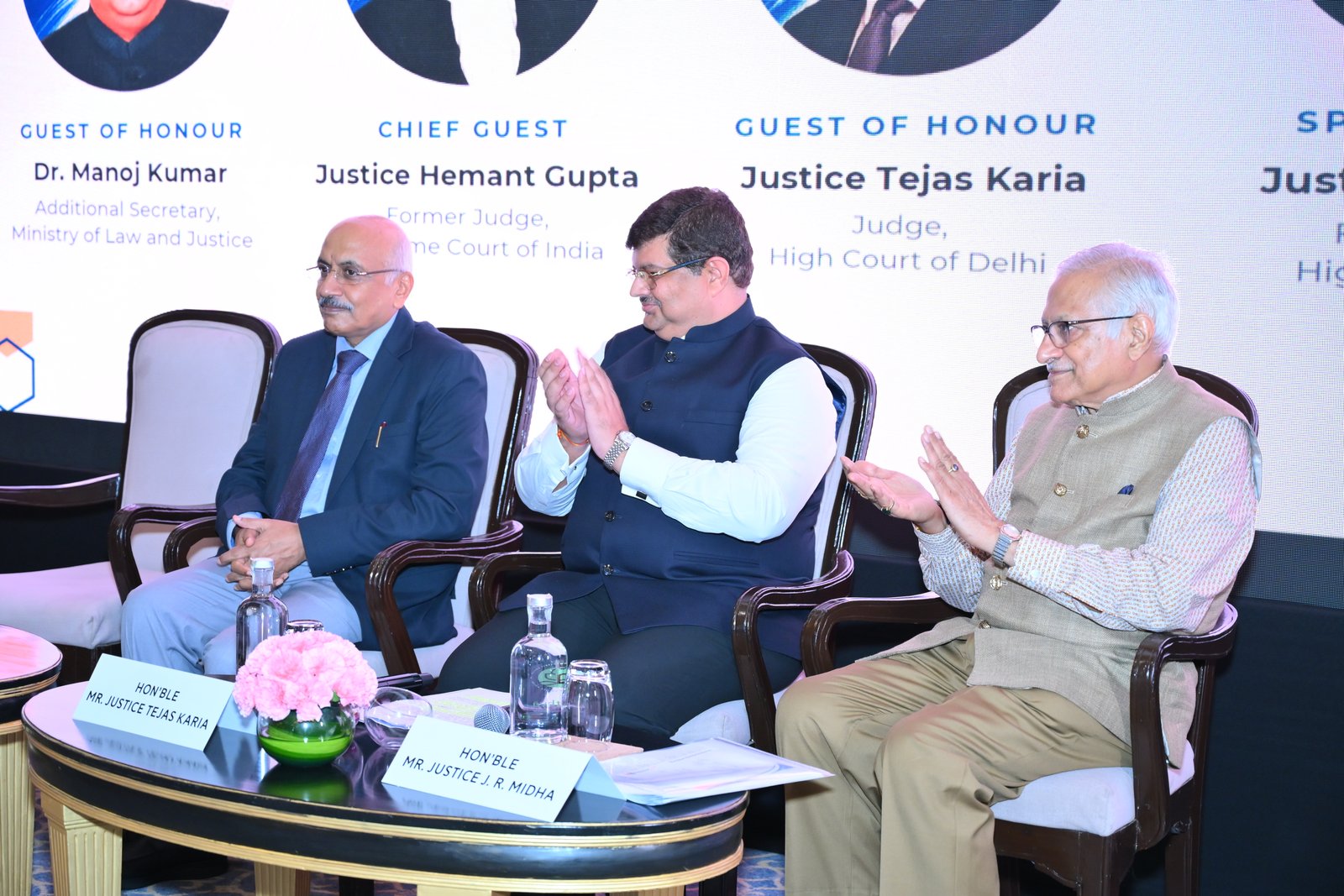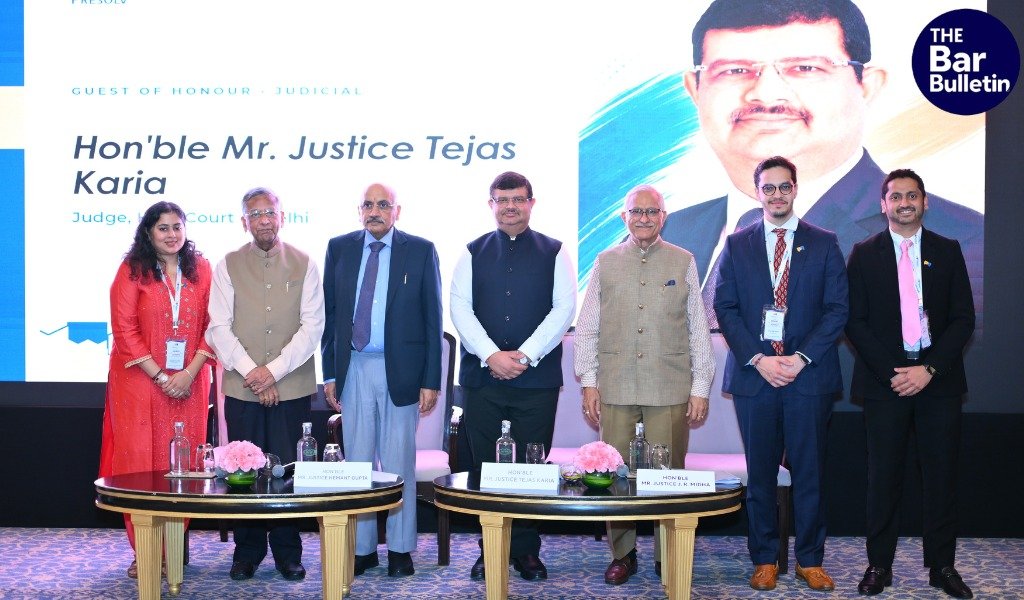

Online Dispute Resolution (ODR) can play a transformative role in making justice accessible for small-value and high-volume disputes, while technology and institutional mechanisms can help India build a more efficient and accessible dispute-resolution ecosystem, Justice Hemant Gupta said at Presolv360’s Smart Resolution Summit.
The Summit brought together judges, senior government officials, arbitration practitioners and industry leaders to discuss the evolving landscape of institutional arbitration, Online Dispute Resolution (ODR) and technology-enabled justice delivery.
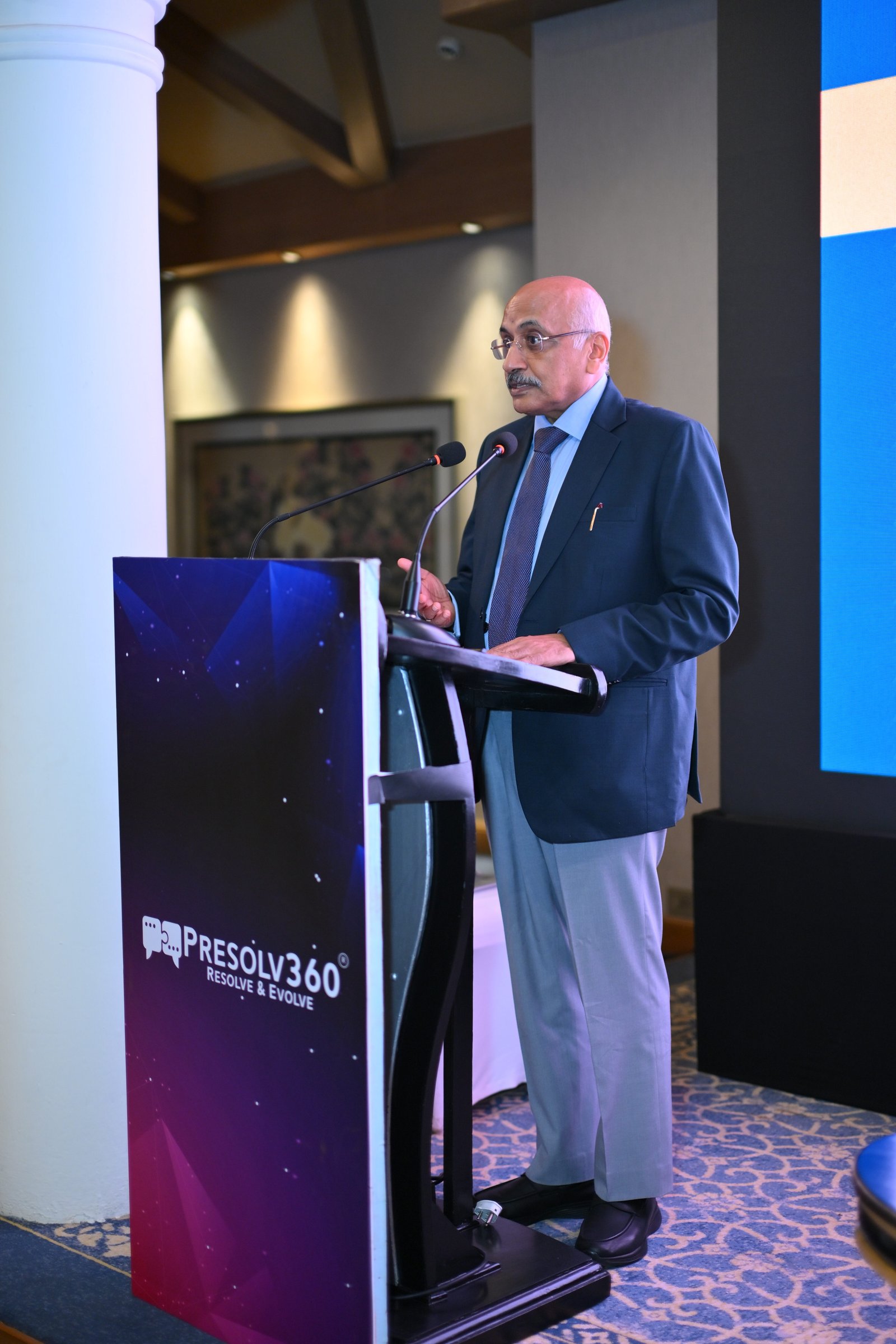
Justice Gupta, speaking at the plenary session, reflected on the rapid expansion of technology-enabled dispute resolution and the opportunities it presents for addressing disputes that often remain outside the effective reach of conventional litigation because of their relatively low monetary value.
He highlighted how the experience during the COVID-19 pandemic demonstrated the potential of technology to transform dispute-resolution processes. ODR, he noted, can be particularly valuable in resolving small-value commercial and financial disputes, where the cost and time involved in conventional proceedings may make litigation economically unviable.
According to Justice Gupta, disputes involving loans, commercial transactions and other relatively small claims can often remain unresolved because parties may not have the resources or inclination to pursue lengthy proceedings. ODR can provide a more accessible mechanism for such disputes by reducing geographical, procedural and cost barriers.
He also emphasised the importance of accessibility and inclusiveness in technology-driven dispute resolution. ODR platforms can enable parties to participate remotely and, where appropriate, communicate in languages they are comfortable with, thereby making dispute resolution more accessible to people who may otherwise find formal legal processes difficult to navigate.
Justice Gupta further stressed that technology should not come at the cost of the independence, fairness or quality of adjudication. The use of technology, he suggested, must be accompanied by appropriate safeguards and access to persons with the requisite expertise, particularly where disputes involve specialised subject matter.
His remarks also underscored the need for India to develop greater confidence in its own dispute-resolution institutions and infrastructure. Rather than relying excessively on established international centres, India must strengthen its domestic ecosystem and build institutions capable of handling both national and international disputes, he said.
The Summit also featured a plenary address by Justice Tejas Karia, who underlined the growing importance of institutional arbitration in supporting the justice-delivery system.
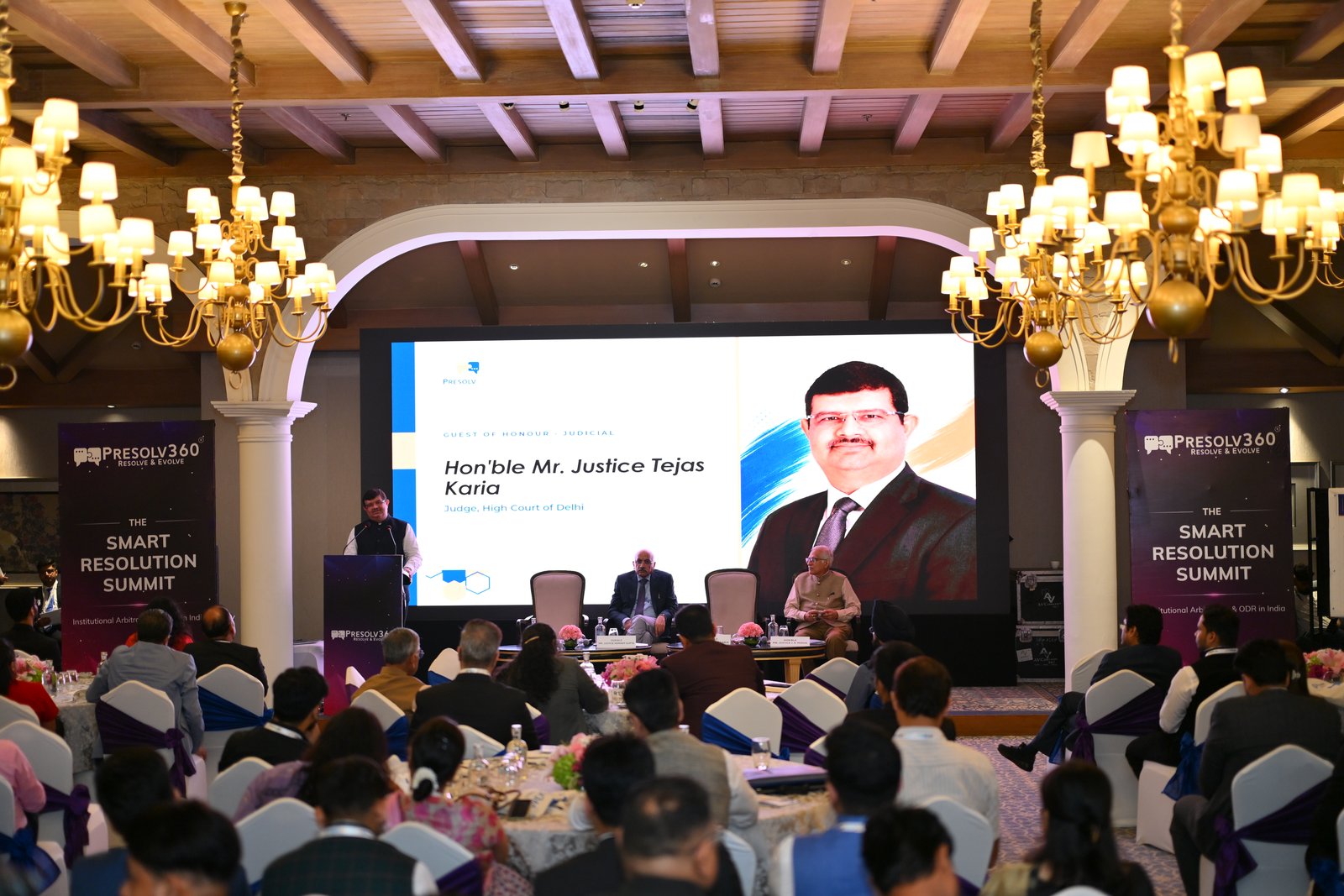
Justice Karia observed that arbitration should no longer be viewed merely as an alternative to the court system, particularly when courts are burdened with large volumes of cases. He noted that commercial disputes constitute only a part of overall judicial pendency, but institutional arbitration can nevertheless provide meaningful support to the justice-delivery system.
He particularly highlighted the advantage of institutional arbitration in the appointment of arbitrators. Under ad hoc arbitration, parties may take considerable time to agree upon an arbitrator, and disputes over appointments can eventually require court intervention. Institutional arbitration, by contrast, can facilitate quicker appointments and provide access to arbitrators with expertise in specialised fields.
Justice Karia also emphasised that arbitration itself has become increasingly specialised, with disputes spanning areas such as infrastructure, oil and gas and other technical and commercial sectors. Institutional databases and panels of experienced arbitrators can therefore contribute to both efficiency and quality in arbitral proceedings.
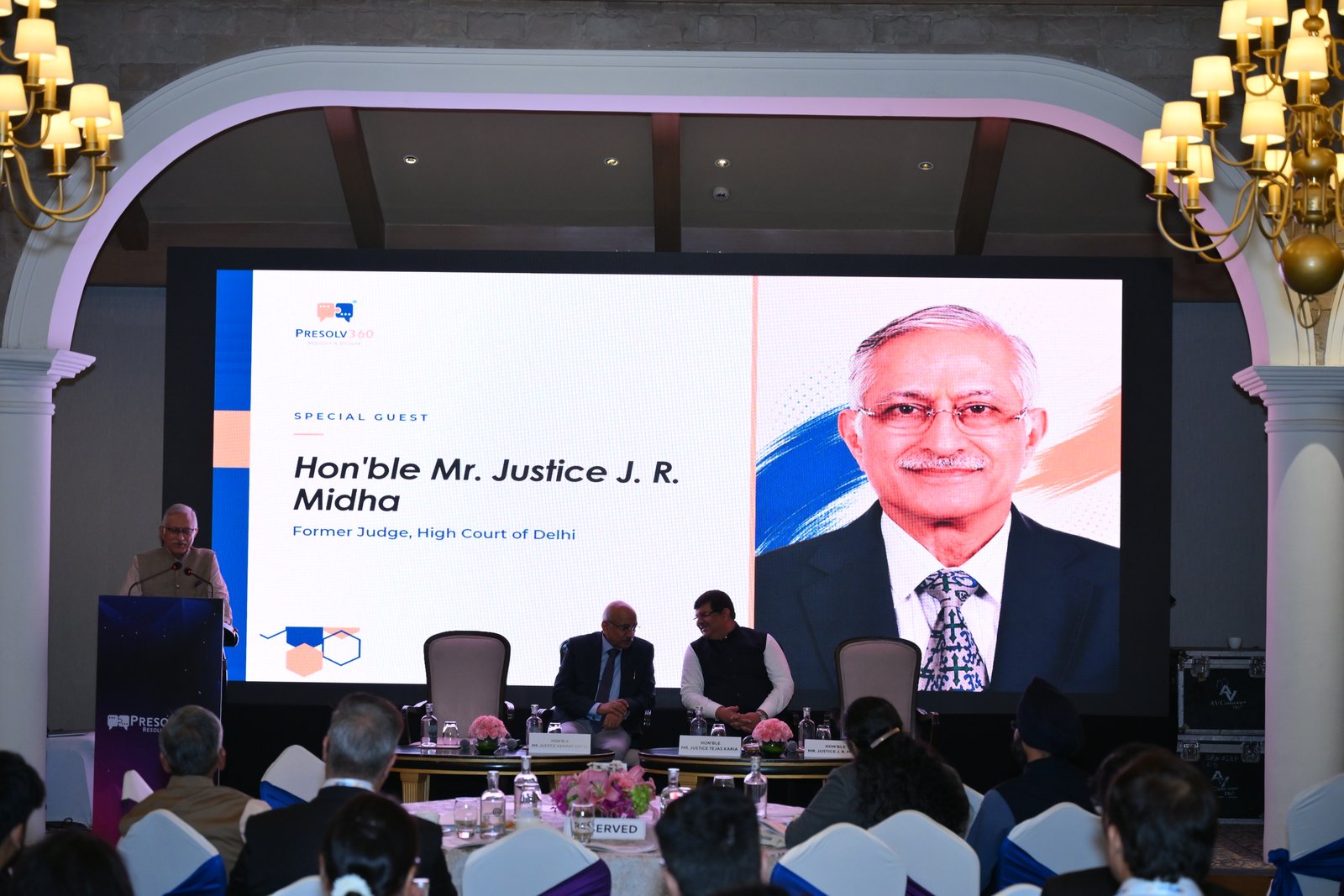
The Summit also featured an address by Justice J.R. Midha, who highlighted the importance of adopting technology-backed processes to improve efficiency in arbitration.
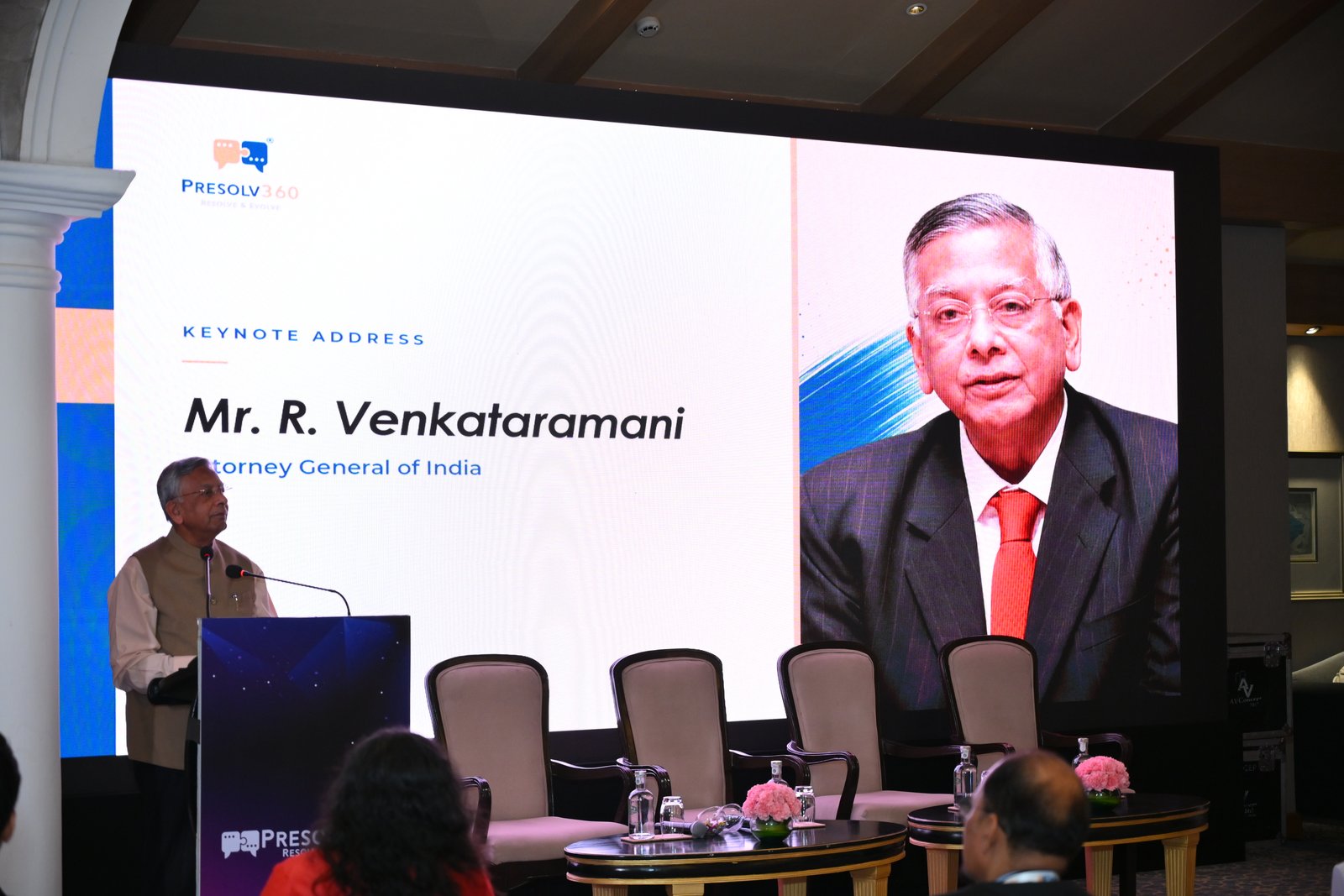
The event was inaugurated with a keynote address by Attorney General for India R. Venkataramani, who observed that the adversarial system can become mechanical and stressed the need to bring greater human understanding and sensitivity to dispute resolution.
A specialised panel subsequently examined the policy and legal framework for building trust in institutional arbitration and ODR.
Representing NITI Aayog, Dr. Banusri Velpandian, Senior Specialist, discussed the adoption of ODR-first approaches across regulatory and industry ecosystems and linked dispute-resolution reforms with broader economic growth.
Dr. Avnit Singh Arora, Director, Ministry of Law & Justice, outlined government initiatives aimed at promoting institutional arbitration and ODR, including efforts to take alternative dispute resolution mechanisms to Tier-2 and Tier-3 cities and rural areas, while strengthening India’s position as a regional and global ADR hub.
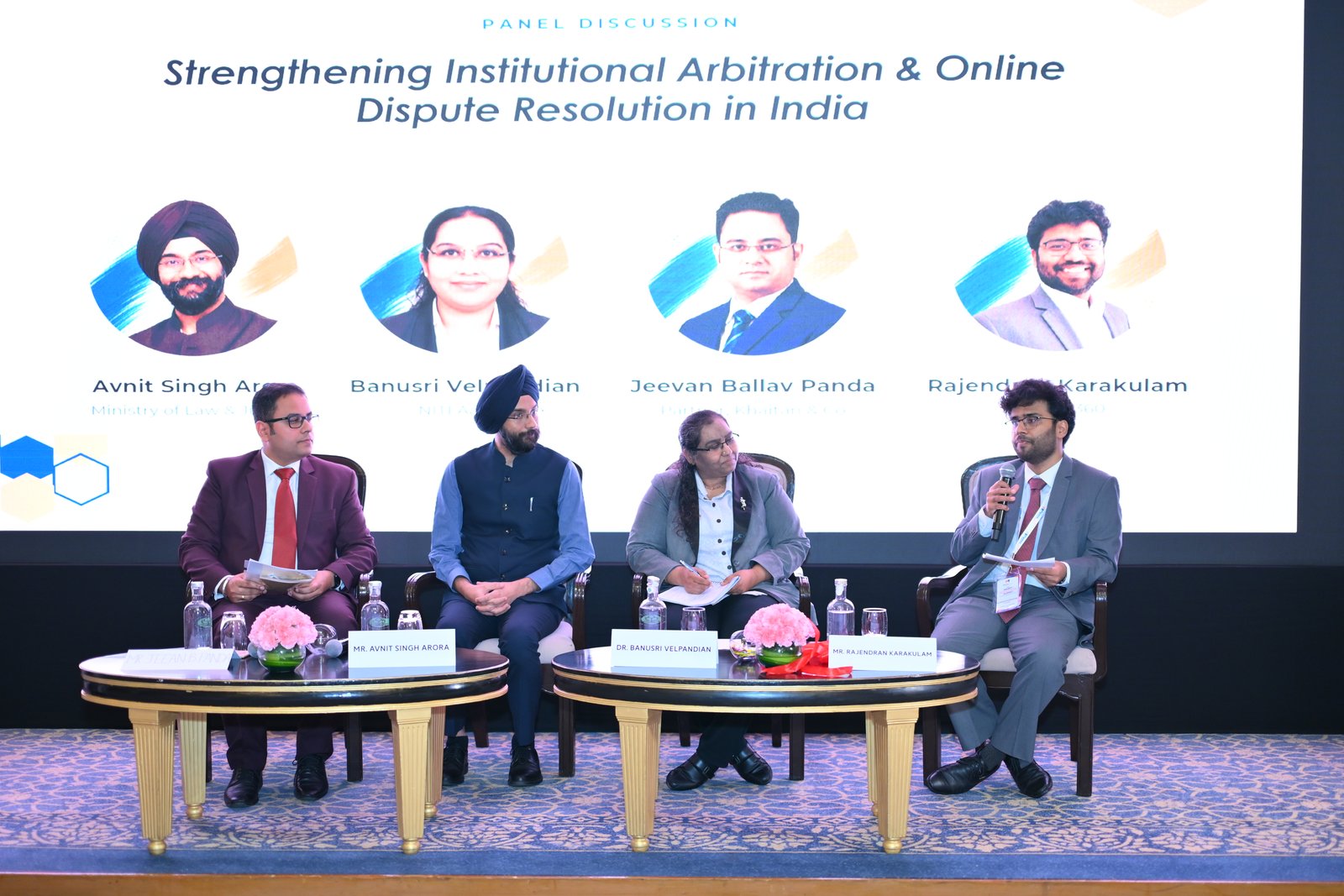
Jeevan Ballav Panda, Partner at Khaitan & Co, emphasised that policy and regulatory reforms must be accompanied by a corresponding mindset change within the legal profession and judiciary.
A key highlight of the Summit was the launch of Presolv360’s AI Library for Arbitration, an open-source tool designed to make it easier for arbitration practitioners and researchers to identify precedents, legal principles and insights. The platform also seeks to enable members of the arbitration community to contribute to a collective body of knowledge.
Speaking on the occasion, Namita Shah, Co-Founder, Presolv360, said:
“
“We hope this event acts as a conversation starter for wider adoption and acceptance of Online Dispute Resolution across government, judiciary, and independent dispute ecosystems.”
She added that technological tools available through ODR can help reimagine dispute-resolution processes across different categories and design mechanisms suited to their specific requirements.