
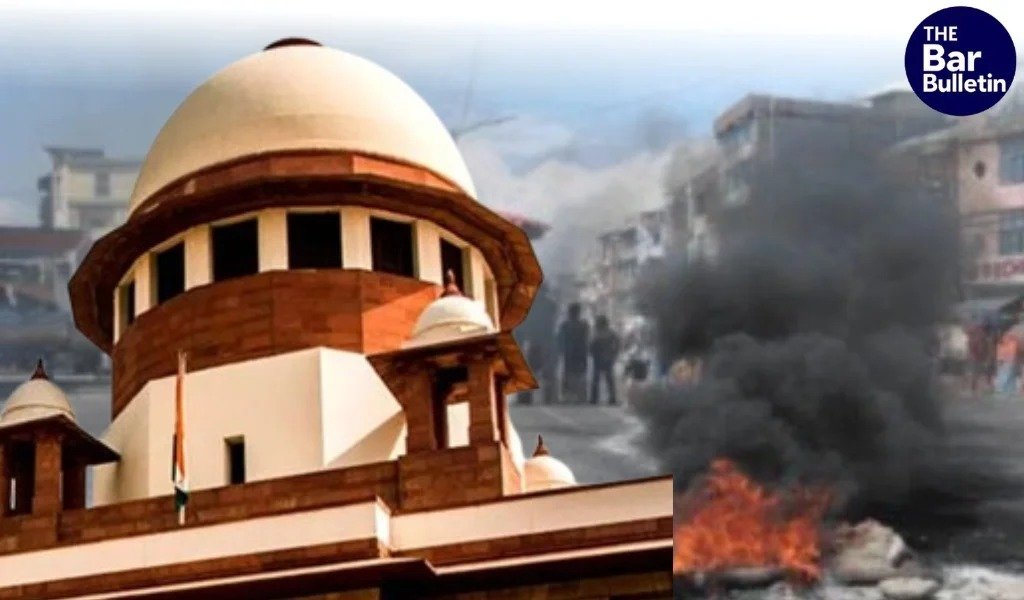

The Supreme Court has considered the desirability of having two separate exclusive courts to conduct trials arising from the Manipur violence, one dealing with cases investigated by the CBI and another handling cases investigated by the NIA, amid concerns over the large number of witnesses yet to be examined.
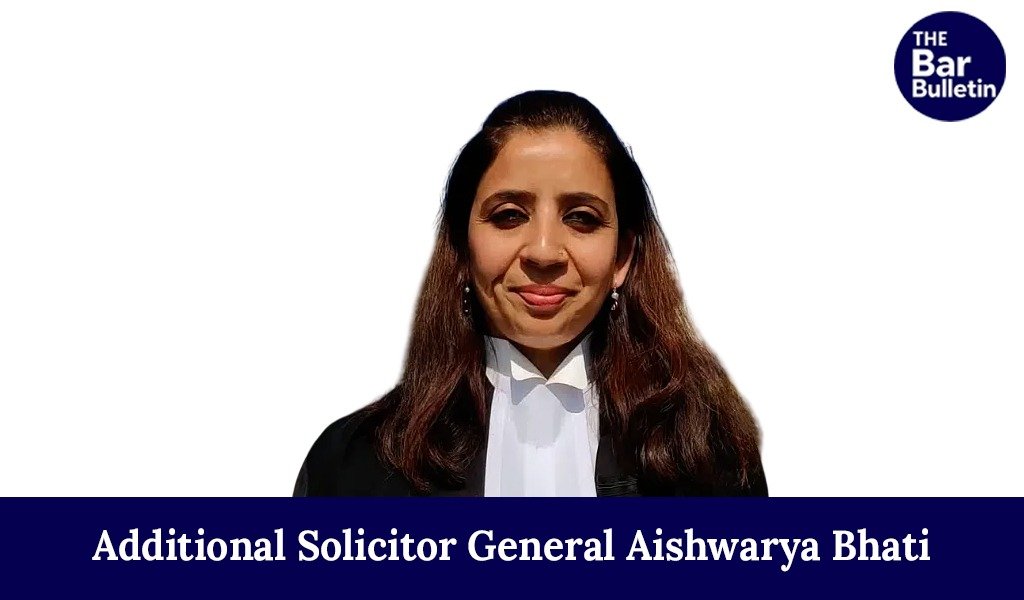
During the hearing, Additional Solicitor General Aishwarya Bhati informed that the CBI has 31 cases, of which 27 have reached the stage of final reports, including 22 charge sheets and five closure reports, while four cases remain under investigation. The Court was further informed that the CBI cases involve a total of 904 witnesses, of whom only five witnesses in two cases have been examined so far, leaving 899 witnesses yet to be examined.
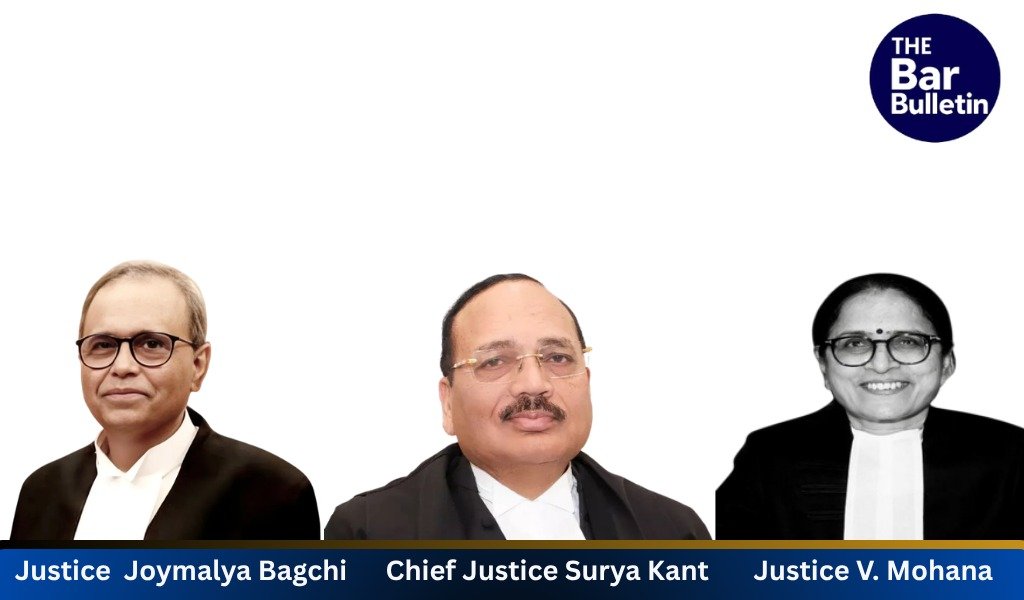
The Bench of Chief Justice Surya Kant, Justice Jymalya Bagchi and Justice V Mohana examined whether the designated courts should exclusively deal with the Manipur violence cases to ensure that the trials proceed without being delayed by unrelated matters. The Court observed:
“
“It is better that the court exclusively deals with those cases on a day-to-day basis. Because otherwise, 800 witnesses to be examined.”
The Court was informed that the existing courts dealing with the CBI and NIA cases are designated for Manipur violence cases, and do not handle ordinary murder, rape or other cases unrelated to the violence. However, in view of the volume of evidence to be recorded, the question of whether the CBI and NIA matters should be divided between two separate courts came up for consideration.
Counsel suggested that the CBI and NIA cases should be assigned to separate judges. The Court noted the scale of the proceedings, with 31 CBI cases and 30 NIA cases, and considered whether separate exclusive courts would facilitate their expeditious disposal. The Bench accordingly asked for a report on the desirability of establishing separate exclusive courts for CBI and NIA matters.
The NIA status report placed before the Court showed that, out of 30 cases entrusted to the agency, 15 have been charge-sheeted and 15 remain under investigation. Charges have already been framed in seven of the charge-sheeted cases. Of the 15 charge-sheeted cases, two are pending in Delhi, five in Assam and eight in Manipur.
The Court also focused on ensuring that victims and their legal-aid counsel are able to effectively participate in the trial process. It directed that Sessions case numbers be furnished in matters where charge sheets have been filed, observing that this information would enable victims, their families and legal-aid counsel to access the relevant records and facilitate the trials.
The Manipur State Legal Services Authority’s report stated that 31 cases involving heinous crimes had been entrusted to the CBI, five of which concerned arms looting and did not involve victims. In the remaining 26 cases, legal-aid counsel had been offered to the victims. The report also stated that charge sheets had been furnished to victims and their family members in the 18 charge-sheeted cases, with acknowledgements obtained.
On the rehabilitation and reconstruction of homes destroyed during the violence, with counsel alleged that several houses belonging to affected Kuki families remained unreconstructed. The Court was informed that financial assistance had been provided for 7,000 fully or substantially damaged houses and that 12,000 houses had been approved under the relevant scheme. Around 3,000 temporary prefab shelters had also been constructed.
The Court was further informed that up to 400 affected families were yet to receive relief, following which the Bench asked the committee headed by former Delhi High Court Chief Justice Gita Mittal to verify the complaints and submit an updated report.
The Bench also considered complaints concerning religious places and alleged encroachment. Counsel referred to a list of 276 places of worship requiring verification and another list of 20 churches where active encroachment was alleged, including six places where immediate fencing was sought to prevent further encroachment.
The Court asked the committee by Justice Gita Mittal, former Chief Justice of the Delhi High Court, to examine the representations and take necessary remedial measures.