
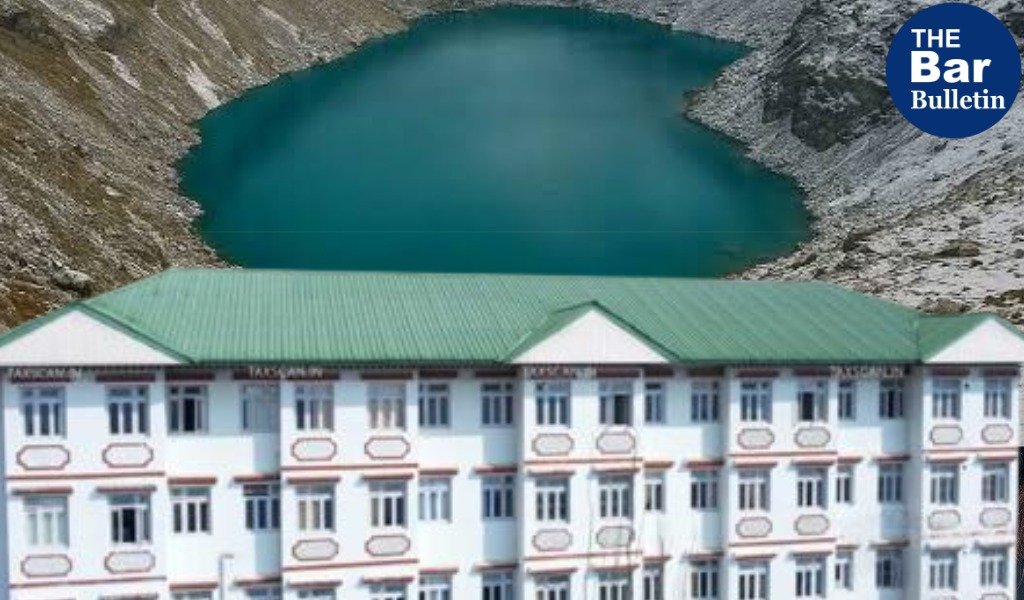

The Sikkim High Court has called upon the State and Central Governments to take immediate steps towards procuring and installing early warning systems for 40 high-risk glacial lakes in Sikkim to prevent a recurrence of the October 2023 disaster.
A Division Bench of Chief Justice A. Muhamed Mustaque and Justice Bhaskar Raj Pradhan, hearing a suo motu public interest litigation titled In Re: Climatic Justice in the State of Sikkim, also asked the State Government to consider appointing a dedicated State Nodal Officer within the Sikkim State Disaster Management Authority (SSDMA) to oversee disaster preparedness for the 40 glacial lakes.
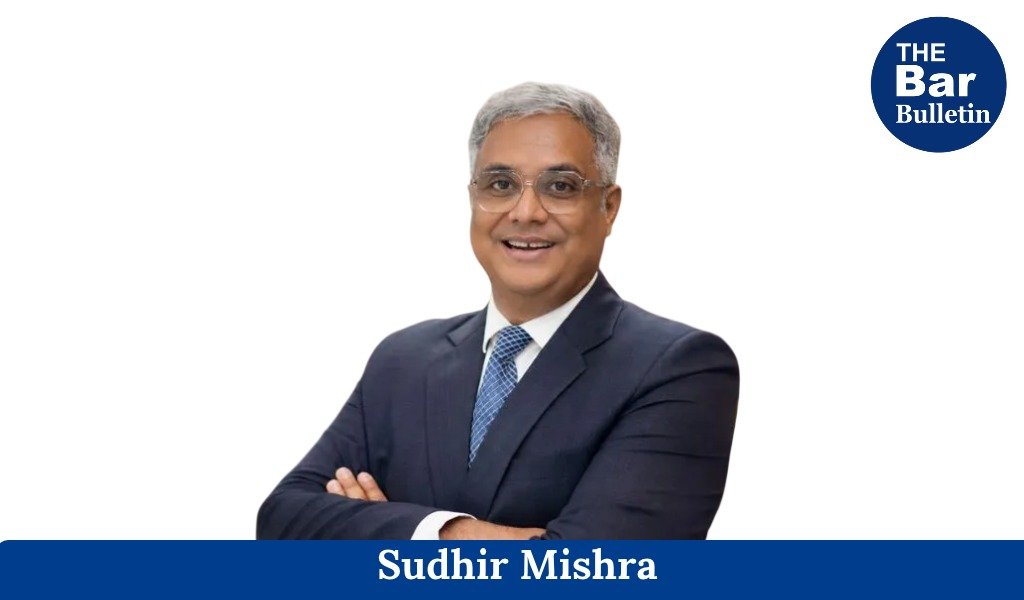
The suggestion, made by Amicus Curiae Sudhir Mishra, envisages the appointment of four additional Nodal Officers under the supervision of the State Nodal Officer, with each officer being responsible for ten glacial lakes. The proposed officers would coordinate early warning measures, disaster preparedness, monitoring of glacial movements, assessment of affected populations and collection of critical information from different departments and agencies.
Also Read Sikkim High Court Initiates Suo Motu Proceedings On Climate Justice After Nepal Floods
Agreeing with the suggestion, the Bench observed that the State should be given an opportunity to consider the proposal and take proactive steps, if not already taken, to address the risks posed by these high-risk glacial lakes. It directed the State to file its response by the next date of hearing.
The Court noted that Himachal Pradesh, Uttarakhand and Bhutan had already installed early warning systems to mitigate the risks associated with Glacial Lake Outburst Floods (GLOFs). It urged both the State and Central Governments to immediately take steps towards procuring and installing similar systems.
The Bench also impleaded the Ministry of Earth Sciences and the National Disaster Management Authority (NDMA) as respondents in the proceedings.
The Court further directed the State Government to apprise it of the steps taken by the High Level Steering Committee, Multi-Disciplinary Task Force and Sikkim Commission on Glacial Hazards, which have been constituted to address glacial risks.
On the impact of climate change on black cardamom cultivation, the Bench took note of a report published in The Economic Times on October 11, 2026, concerning the declining production of Sikkim’s black cardamom. The report attributed the decline to changing weather patterns, warmer winters and unpredictable rainfall, along with the interaction of climate stress, soil health and plant genetics.
Observing that climate change could cause several such issues, the Court sought a response from the State Government on the measures taken under its initiative “Mero Alaichi, Mero Dhan” (My Cardamom, My Wealth), as well as the suggestions made by the Amicus Curiae.
The matter has been listed for further hearing on November 18, 2026.
