
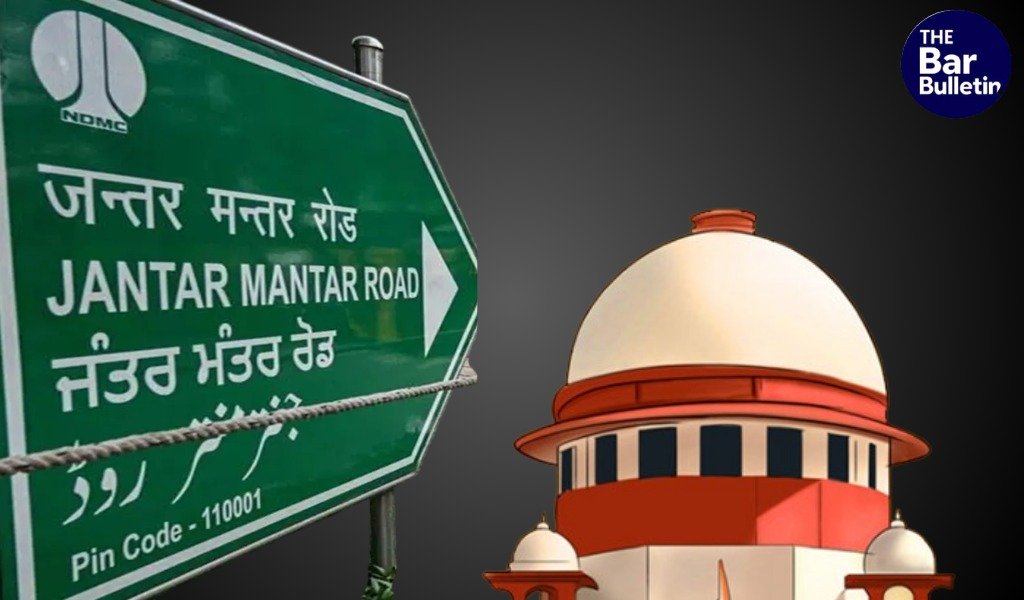

The Supreme Court on Thursday sought the Centre’s response to a plea challenging the de-notification of Delhi’s Jantar Mantar as a designated protest site, asking whether the decision was based on oral observations made by the Court or followed an independent application of mind by the authorities.
The Bench of Chief Justice of India Surya Kant and Justice Joymalya Bagchi was hearing a petition challenging the decision to remove Jantar Mantar from the list of designated protest venues. The issue arose after the Delhi Police informed the Delhi High Court that the site had been de-notified pursuant to the Supreme Court’s order dated October 9.
Questioning the basis of the decision, the Justicce Joymalya Bagchi asked whether the authorities had acted on oral observations made during the proceedings or had independently assessed the suitability of Jantar Mantar as a protest venue.
“
“Denotification you have challenged, we are issuing a notice, let them come up with a reply. Was it based on some oral observation of the Court, or was there some application of mind?” Justice Bagchi asked.
Solicitor General Tushar Mehta, appearing for the Union government, told the Court that its judgment was not the basis of the decision. He submitted that a committee had been constituted earlier and had provided a detailed report on the matter.

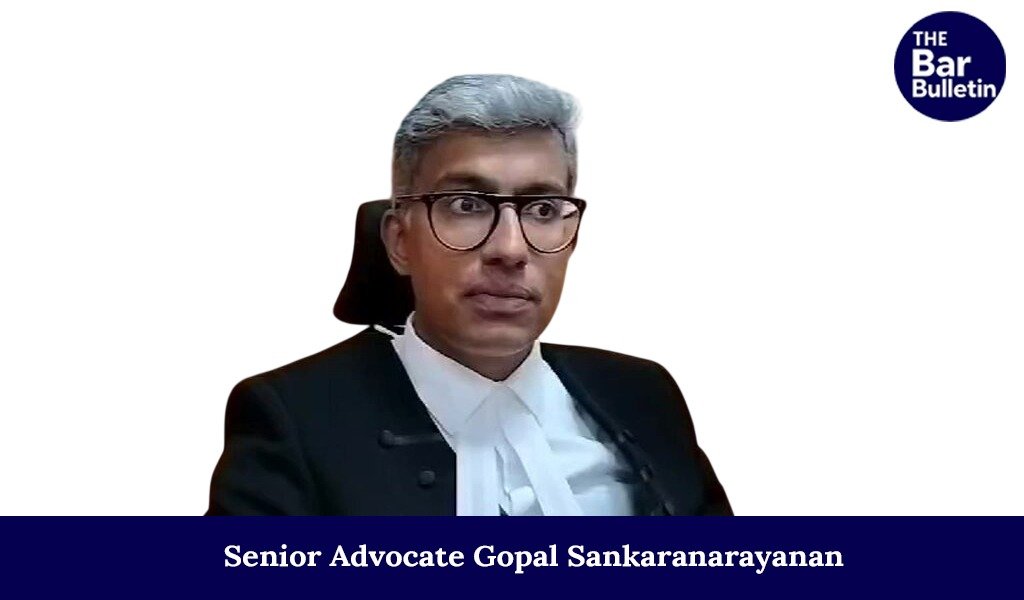
Senior Advocate Gopal Sankaranarayanan, appearing for the petitioner, urged the Court to restore Jantar Mantar’s status as a designated protest site, contending that the de-notification had been attributed to the Court’s directions.
Senior Advocate Mukta Gupta, also appearing for the petitioner, argued that shifting protests away from the national capital’s administrative centre could undermine the purpose of demonstrations. She relied on the Supreme Court’s earlier judgment in Mazdoor Kisan Shakti Sangathan v. Union of India, AIR 2018 SC 3476 which dealt with the right and place to protest and the regulation of demonstrations.

Justice Joymalya Bagchi observed that the petitioners had raised substantial questions concerning the location of protest sites and the right of citizens to make their grievances heard by the authorities. The Bench, however, declined to direct immediate restoration of Jantar Mantar and decided to seek the government’s explanation first.
“
“We are issuing notice. We are getting a response from them. After the response, if we are not satisfied, the law will follow its course. You have laid out your case. First, you have relied on the Mazdoor Kisan Shakti Sangathan judgment. Second, you have indicated that Jantar Mantar is near the administrative establishment which runs the country, and therefore should not be shifted. We are calling upon the State to respond,” Justice Bagchi said.