

The Supreme Court on Tuesday issued a fresh set of directions in its suo motu proceedings concerning the growing menace of “digital arrest” scams, while considering the fourth status report filed by the Centre. The Court accepted several recommendations aimed at strengthening victim awareness, streamlining money restoration mechanisms and ensuring continued coordination among government agencies to combat cyber-enabled financial fraud.
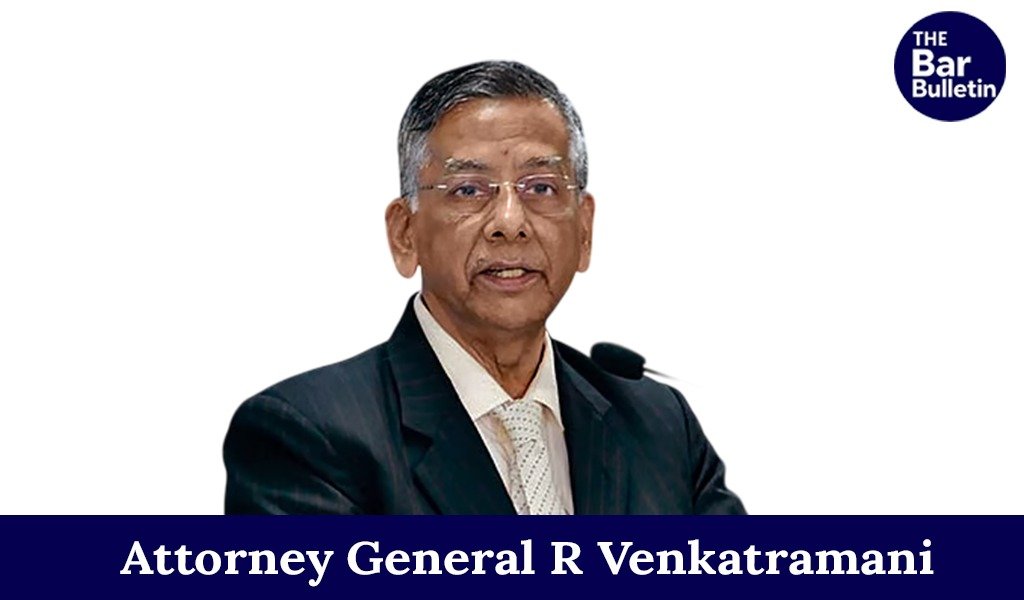
The Attorney General R Venkatramani informed the Court that the fourth status report had incorporated a substantial number of suggestions received from stakeholders while consciously avoiding measures that could hamper the functioning of the existing system. Describing the approach adopted by the Government, the Attorney General submitted:
“
“We have tried to incorporate a good part of the suggestions. But we do not want to create friction in the working of the system. We also do not want to be too adventurous and leap into the future before we know the ground realities. Therefore, we have been very careful. The fourth report incorporates a substantial part of the suggestions received.”
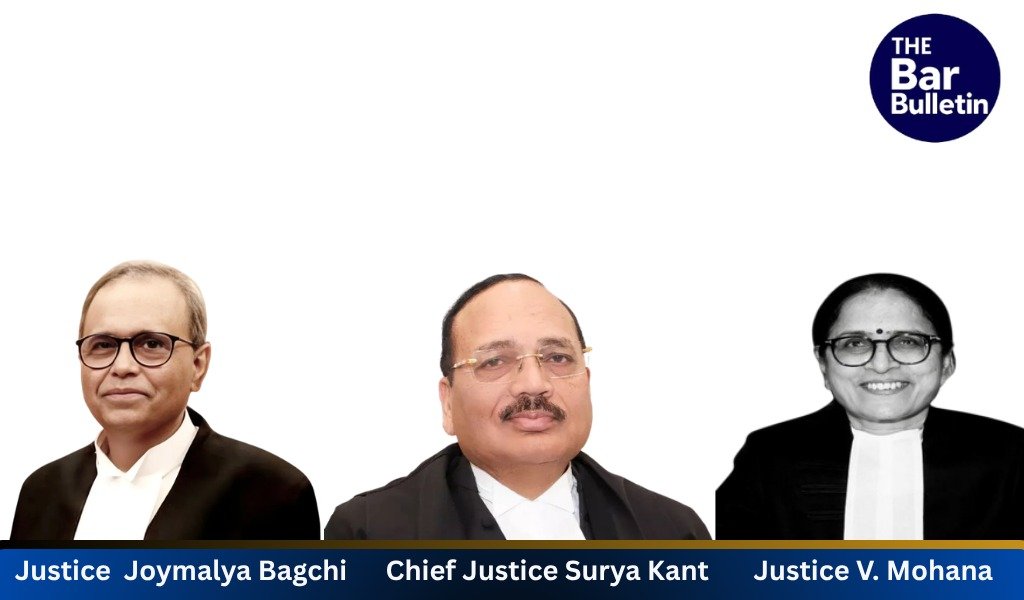
During the hearing, the Bench of Chief Justice Surya Kant, Justice Joymalya Bagchi and Justice V Mohana also considered suggestions advanced by the assisting counsel, particularly with respect to improving victim awareness regarding the Indian Cyber Crime Coordination Centre’s (I4C) newly introduced Grievance Redressal Module and Money Restoration Module. Counsel submitted that while these mechanisms had been introduced to facilitate recovery of defrauded money, victims remained largely unaware of their existence and operation.
On the arguments seeking directions against errant telecom service providers, point-of-sale agents and banking officials allegedly facilitating cyber fraud, the Attorney General informed the Bench that the IDC was already examining those aspects and that thousands of suspicious SIM vendors had been blacklisted while criminal action had been initiated in several cases.
With respect to the Reserve Bank of India, counsel sought a time-bound direction for implementation of safeguards emerging from RBI’s research papers on delayed transaction protection and customer protection in electronic banking transactions. The Attorney General, however, submitted that RBI had already commenced the consultation process and did not require judicial prodding.
Another important issue raised before the Court related to the proposed shared liability framework for victims of digital fraud. Counsel pointed out that although a sub-committee had been constituted several months earlier, no concrete proposal had yet emerged. He urged the Court to require preparation of a proposal rather than merely examining its feasibility.
Responding to the submission, the Attorney General assured the Court that the issue was actively under consideration by the Inter-Departmental Committee (IDC) and involved extensive consultations with the Reserve Bank of India, banks and the Department of Telecommunications.
“
“There will be an in-depth discussion on the shared liability and victim compensation scheme. We have had lengthy discussions with RBI, banks and the Department of Telecommunications. Ultimately it will be a proposal. Let us not waste our time on words…IDC is looking into all that and will place the information before the Court. Action has already been taken against thousands of suspicious point-of-sale agents and FIRs have been registered. We keep updating the data. Let the Committee continue this work and place an updated report before the Court.”
Taking note of the progress reflected in the fourth status report while recognising the need for further institutional strengthening, the Bench issued the following directions:
● Within four weeks, the RBI shall formally adopt and circulate a Standard Operating Procedure (SoP) prescribing the action to be taken by banks for placing temporary debit holds on accounts linked to cyber-enabled frauds. The SoP shall also incorporate the Grievance Redressal Module and Money Restoration Module, along with measures to create public awareness about both mechanisms.
● The Registrars General of all High Courts shall bring the grievance redressal mechanism to the notice of courts and other adjudicating authorities dealing with bank account freezing. Aggrieved persons shall ordinarily be encouraged to first avail this mechanism.
● All States and Union Territories shall, within four weeks, notify and operationalise State Cyber Crime Coordination Centres and adopt the Zero FIR mechanism in consultation with the Indian Cyber Crime Coordination Centre (I4C). The Ministry of Home Affairs shall extend the necessary assistance.
● Inter-Departmental Committee (IDC) shall:
● issue necessary advisories and instructions to banks and other stakeholders for preventing digital arrest scams, facilitating recovery of defrauded money, assisting investigations and ensuring statutory compliance;
● examine a shared liability and victim compensation framework for cyber fraud victims;
● examine the proposal to reduce the existing monetary threshold for CBI investigation and aggregate cases involving the same organised network to meet the prescribed threshold.
● The Ministry of Electronics and Information Technology (MeitY), Department of Telecommunications (DoT) and I4C shall examine the proposal for time-based restrictions on telecom services for audio and video calls and place a note before the Court on its feasibility, utility and possible alternatives.
● Legal Services Authorities shall undertake public awareness campaigns on prevention of digital arrest scams, cybercrime awareness, cyber security and recovery mechanisms for victims of online financial fraud.
● Authorities shall take appropriate steps for the expeditious disposal of matters relating to freezing of bank accounts arising out of cyber-enabled financial frauds.
The matter has been listed for further hearing on September 16, 2026.