
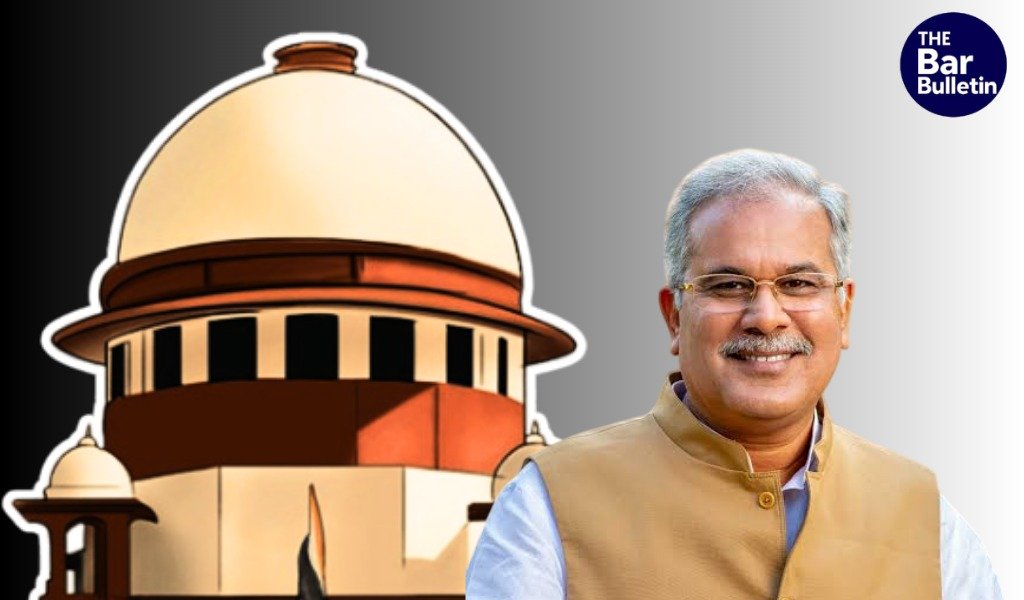

The Supreme Court on Friday dismissed former Chhattisgarh Chief Minister Bhupesh Baghel’s plea challenging the Chhattisgarh High Court’s refusal to reject an election petition alleging violation of the 48-hour campaign silence period under Section 126 of the Representation of the People Act, 1951.
The matter arose from allegations that Bhupesh Baghel attended a religious function on November 16, despite election campaigning having ended. Appearing for Bhupesh Baghel, Senior Advocate Kapil Sibal argued that even if the allegations were accepted in their entirety, they disclosed only an electoral offence under Section 126 and not a “corrupt practice” under Section 123 capable of invalidating an election.
Mr Sibal submitted that the election petitioner had alleged that only about 200 persons attended the gathering, whereas Bhupesh Baghel had won the election by over 20,000 votes. He argued that the statutory requirement under Section 100, that the election result must have been “materially affected”, could never be satisfied on the petitioner’s own pleadings.
“
“Section 126 is an electoral offence. It’s not a corrupt practice… Even if you accept what is stated, the result of the election cannot be affected in any case because I won by 20,000 votes.”
He further argued that the allegation regarding security personnel accompanying Bhpesh Baghel could not amount to a corrupt practice under Section 123(7), submitting that the former Chief Minister was entitled to Z+ security because of the Naxal-affected conditions in Chhattisgarh and that the personnel accompanying him were only part of his security detail.
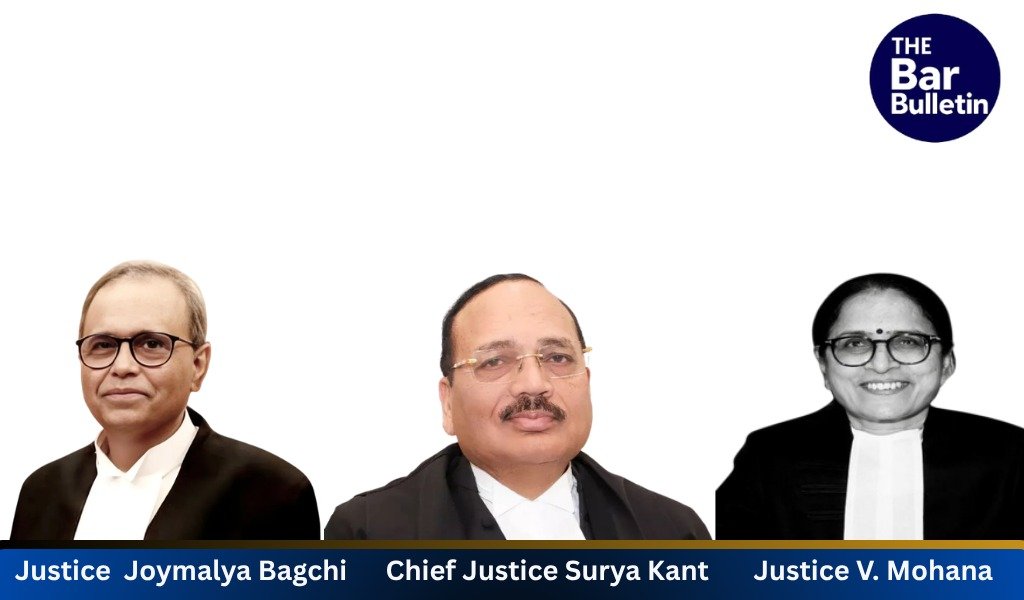
The Bench of Chief Justice Surya Kant, Justice Joymalya Bagchi and Justice V Mohana, however, observed that the allegation of whether the election result had been materially affected was an issue that required examination on evidence rather than at the threshold stage.
Mr Sibal countered that even accepting every averment in the election petition as correct for the purposes of deciding an application for rejection, no case warranting a trial was made out. He maintained that the alleged gathering was too small to have materially influenced the outcome of an election decided by such a large margin.
He further submitted that petition had remained pending for nearly three years and was still at the preliminary stage, describing the proceedings as “a pure academic exercise.”
However, the court dismissed the special leave petition, leaving the election petition to proceed before the High Court.