
The Supreme Court on Thursday directed ₹12 lakh in voluntary financial assistance to be paid to the parents of the four-year-old victim in the Ghaziabad child rape-murder case, with St. Joseph Hospital agreeing to pay ₹10 lakh and Anshika Manav Healthcare agreeing to contribute ₹2 lakh within four weeks.
The Bench examined a report concerning the treatment provided to the child and the subsequent police investigation. Senior Advocate N Hariharan for the petitioner submitted that the report disclosed “a clear case of severe or criminal negligence” by the hospitals, arguing that the child could have survived had timely emergency treatment been provided instead of being referred elsewhere. He also alleged that the police failed to faithfully record the father’s statement while registering the FIR.
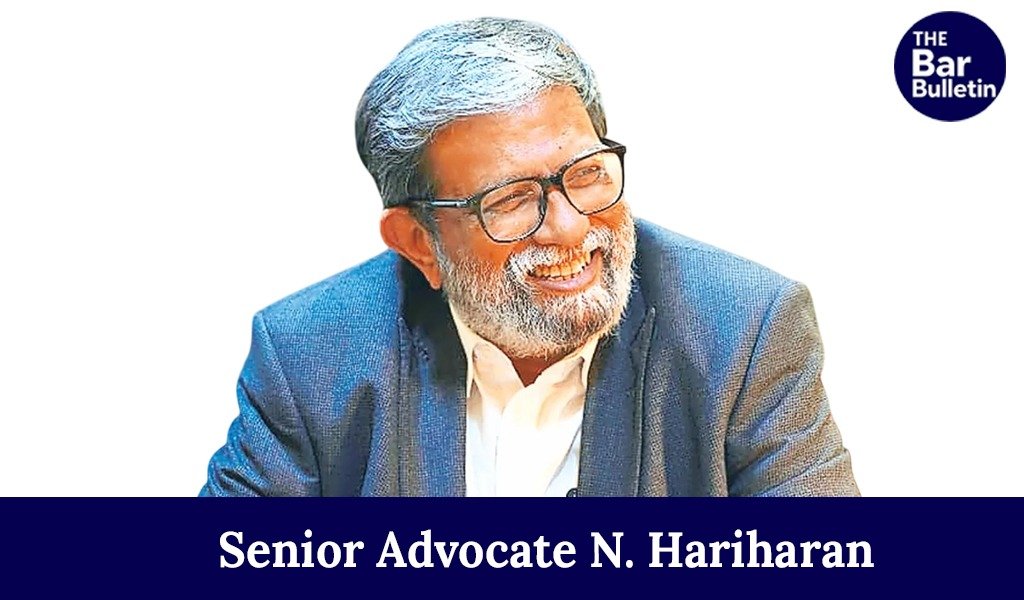
When counsel for St. Joseph Hospital initially objected to the direction of the court for payment of ₹10 lakh, submitting that the institution was run by the Sisters of Charity and was not a profit-making hospital, Mr Hariharan objected: “That’s too much? Is it too much for a life?”
However, later the hospital voluntarily agreed to a contribution of ₹10 lakh to the victim’s parents. The representative of Anshika Manav Healthcare also volunteered to pay ₹2 lakh within four weeks.
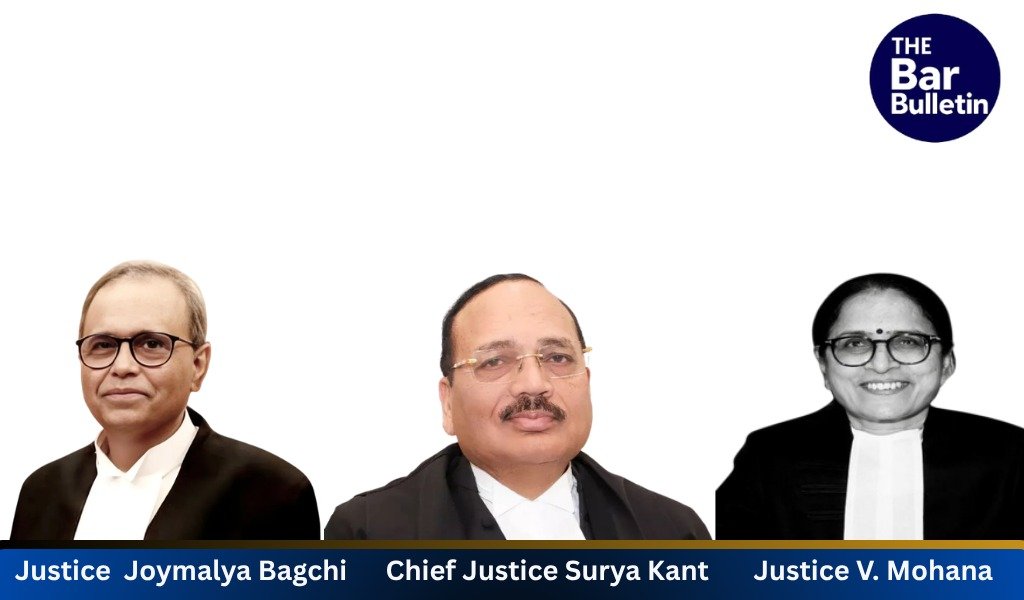
The Bench of Chief Justice Surya Kant, Justice Joymalya Bagchi and Justice V Mohana also expressed concern over the manner in which both hospitals and law enforcement had responded to the incident, observing that the larger issue was ensuring effective implementation of legal safeguards at the ground level. It sought suggestions from counsel on improving police sensitisation, institutional accountability and supervisory mechanisms to prevent similar lapses in future. The Chief Justice remarked:
“
“the statutory provisions are there, statutory mechanism is there, but at the ground level, the practical implementation is not there. So, how to fill in that gap? What kind of courses, training or accountability, some supervisory mechanism, what can be the way out? Police officers at a particular level are required to be periodically sensitised through orientation courses… The sensitivity involved in a matter where complete empathy issues are involved… their behaviour, it all depends on how they maintain the trust and faith of the people and particularly the victims.”
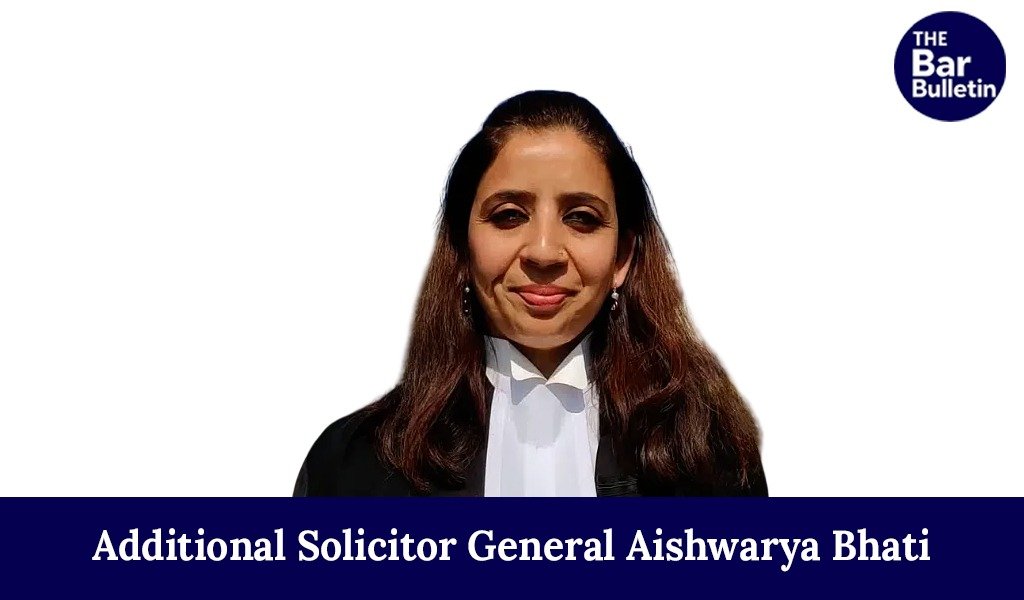
Senior Advocate N. Hariharan, appearing for the petitioner, and Additional Solicitor General Aishwarya Bhati, appearing for the Union of India, agreed with the Court’s suggestion that systemic measures were required to bridge the gap between statutory safeguards and their implementation on the ground. Both assured the Bench that they would assist the Court by placing suggestions on police sensitisation, institutional accountability and mechanisms to improve the implementation of existing legal protections.