
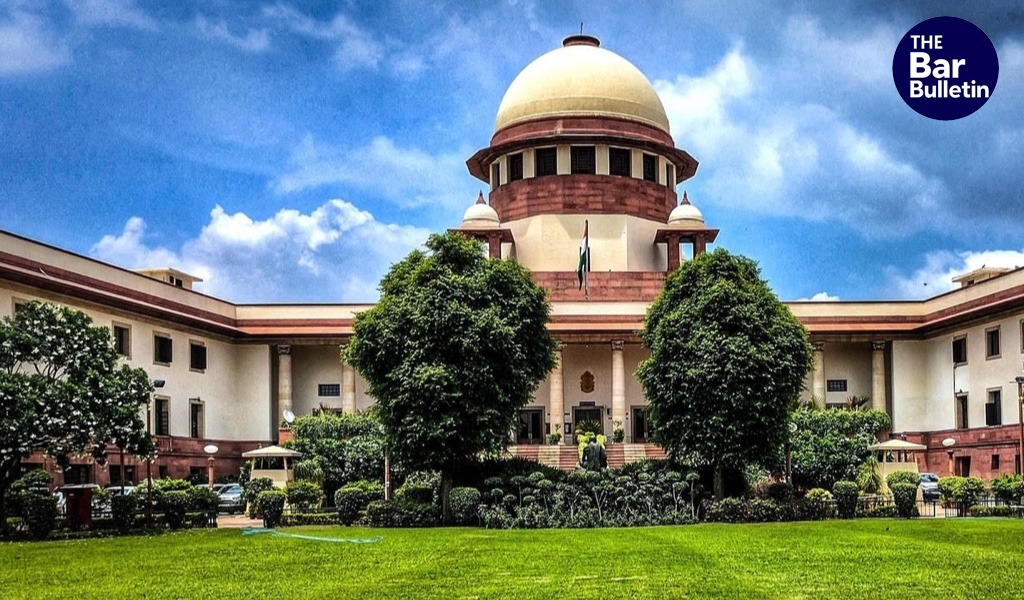

The Supreme Court on Friday declined to interfere with orders concerning alleged unauthorized construction and misuse of property in Goa, holding that post-facto assurances could not cure established violations.
The matter was heard by a Bench of Justice Satish Chandra Sharma and Justice Sanjeev Sachdeva, which was dealing with a challenge to findings that the petitioner had exceeded the scope of permission granted for repairs and had used the premises for commercial purposes.
Counsel for the petitioner sought to frame the issue narrowly, contending that the property was presently used only as a residence and offering an undertaking to restrict its future use. It was submitted that any excess construction could be removed and that only the dwelling portion deserved protection.
However, the Court remained unconvinced, particularly in light of the inspection report and findings already upheld by the High Court, which indicate commercial use of the premises. At the heart of the Bench’s concern was the attempt to rely on present compliance to overcome past violations.
Taking a firm view, the Court observed:
“You had that impression that it is your property, and you could do anything. But others have already faced demolition.”
The Bench emphasised that similar violations had already been acted upon, and granting relief in this case would create inconsistency and undermine regulatory enforcement. Rejecting the plea that the petitioner was being singled out, the Court noted the principle of parity:
“Eight structures have already been demolished. Now, if we protect yours, it will be a great injustice.”
The Court thus made it clear that undertakings offered at a later stage could not justify interference, particularly where findings of misuse were supported by material on record.
Declining to exercise its jurisdiction, the Bench declined to interfere with the Order passed by the High Court.
The petition was dismissed at the admission stage.