

The Supreme Court on Wednesday decided to first hear the appeal arising from the Karnataka High Court judgment concerning prosecution for rape within marriage, before taking up the broader constitutional challenge to the marital rape exception under the penal law.
The proceedings concern the interpretation and constitutional validity of Exception 2 to Section 375 IPC and its corresponding provision under Section 63 of the Bharatiya Nyaya Sanhita (BNS). The Court indicated that the first matter to be taken up would be the SLP arising from the Karnataka High Court judgment, where the High Court had held that, on the facts of the case, prosecution could proceed notwithstanding the marital rape exception.
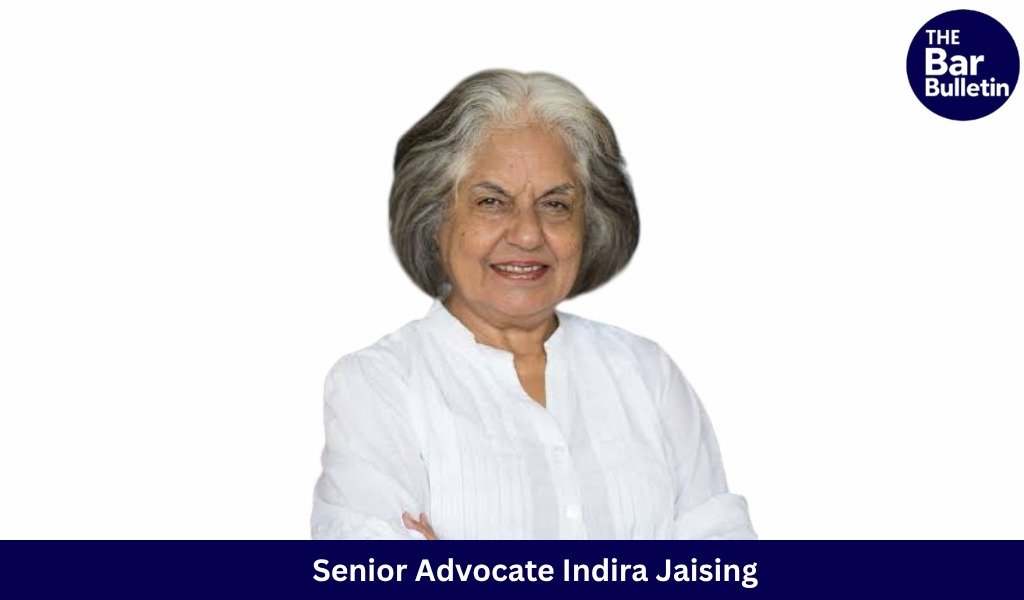 , appearing for the wife, said her limited role was to defend the Karnataka High Court judgment and argue that the existing statutory provision could be interpreted in a manner that permits prosecution in appropriate cases. She clarified that she was not advancing the broader constitutional challenge to the exception. The counsel explained:
“
“My role here is only to oppose the SLP filed by Mr. Dhawe. My role is to oppose the SLP filed by Mr. Dhawe and to convince you that a prosecution is possible under Section 375. I have filed my written submissions. There’s nothing more to say beyond that. I’m only mentioning it to fix a date of hearing.”
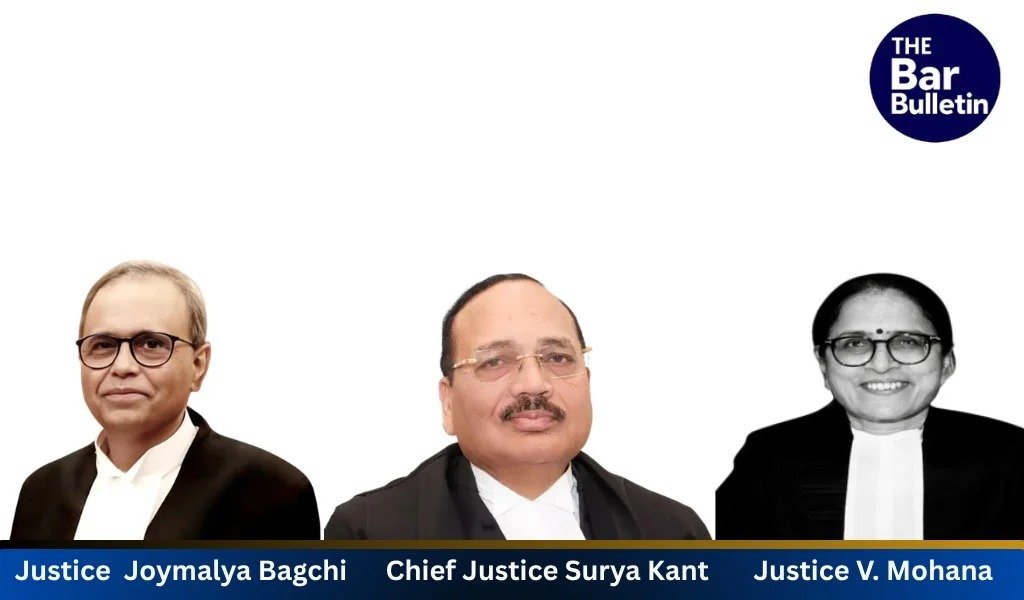
The Bench of Chief Justice Surya Kant, Justice Joymalya Bagchi and Justice V Mohana noted that the interpretation issue and the constitutional challenge were intertwined to some extent, particularly because a plea for reading down the exception would necessarily arise while examining its constitutionality. The Court, however, said it would deal with the issues in a structured manner, first taking up the Karnataka matter and thereafter the constitutional questions.
The Bench indicated that in the first matter, the question would be whether the relevant provisions could be interpreted in the manner suggested by the wife’s counsel so as to sustain the Karnataka High Court judgment.
The Court directed the parties to exchange pleadings and indicated that the matters would be taken up together, with the SLP arising from the Karnataka High Court judgment being heard first. The Court said the parties would thereafter be heard on the constitutional issues.
The Bench also sought convenience compilations and updated material on how various High Courts have dealt with the provisions under the BNS. The lawyers were asked to exchange relevant compilations and questions of law before the final hearing.