
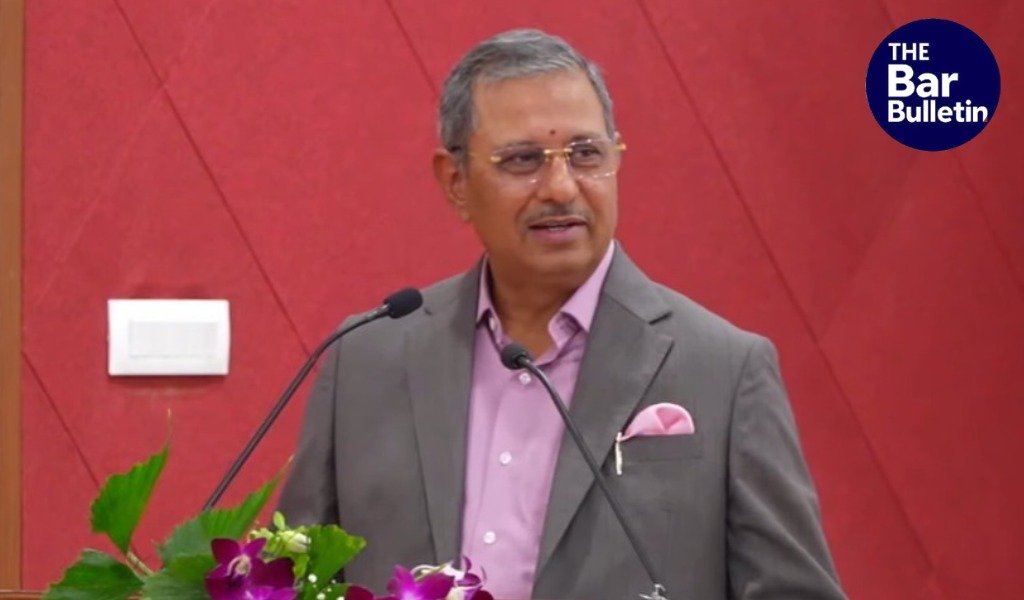

Justice D.K. Singh, Judge Karnataka High Court has expressed concern over the declining credibility of arbitration in India, stating that the process risks losing its standing as an effective alternative dispute resolution mechanism if ethical conduct, impartiality and procedural fairness are not adequately addressed. He urged lawyers and arbitrators to uphold the integrity of the process, emphasising that arbitration must remain fair, efficient and worthy of the trust placed in it by parties.
He was speaking at a conference on ‘Ethics and Evidence in Arbitration’, organised by London Court of International Arbitration (LCIA), Arbitral Women and the Arbitration & Conciliation Centre, Bengaluru, in collaboration with the Karnataka Judicial Academy. The event was organised on April 31, 2026.
Justice Singh shared his personal view on the issue, drawing from his experience while hearing commercial appeals. He suggested that the legislature may reconsider the forum for hearing challenges to arbitral awards passed by former High Court and Supreme Court judges, observing that such challenges should be placed before High Courts rather than civil courts.
“
“Another problem which I face, because now I am sitting in these commercial appeals, sometimes I find that three eminent judges of the Supreme Court have decided a dispute (arbitration). In Karnataka or other states, except for where there is a chartered High Court, where there is original jurisdiction, Section 34 application goes to a civil judge. They are allowed to dissent or set aside their award but…Even if the award is not to be upheld…. but I think the legislature has to think of something, where there are the arbitrators who have been the High Court judges or the Supreme Court judges. The challenge to the award should come to the High Court. This is my personal view,” he said.
He further referred to an award made by three eminent judges and questioned the appropriateness of a civil court setting aside an award made by such eminent arbitrators, reiterating his view that challenges to awards passed by former constitutional court judges should be heard by High Courts.
Justice Singh also expressed concern over the credibility of arbitration in India, stating that the process risks losing its place as an effective alternative dispute resolution mechanism if ethical standards are not maintained.
“Today, I am sorry to say, the credibility of arbitration, particularly in India, is at stake,” he said, referring to the Central Government’s decision not to pursue arbitration clauses in cases involving stakes exceeding ₹1 crore. He urged lawyers and arbitrators to ensure fairness in proceedings, cautioning against misleading tribunals, withholding material documents, coaching witnesses and allowing conflicts of interest to affect decision-making.
“
“Ethics is therefore not an ornamental addition to the arbitration, it is its foundation,” he observed.
Justice Singh also highlighted the importance of greater participation of women in arbitration. He said that several women lawyers had been enrolled as arbitrators at the Arbitration Centre under the guidance of the Chief Justice, who had emphasised that the Centre should not remain judge-centric but should include lawyers and other experts from the wider arbitral community.
On the growth of the Arbitration Centre, he noted that around 1,500 cases were pending and that approximately 38,000 square feet of space had been secured for developing a world-class arbitration facility with the participation of the arbitral community.
He concluded by emphasising that arbitration must remain fair, efficient and worthy of the trust placed in it by litigants.