
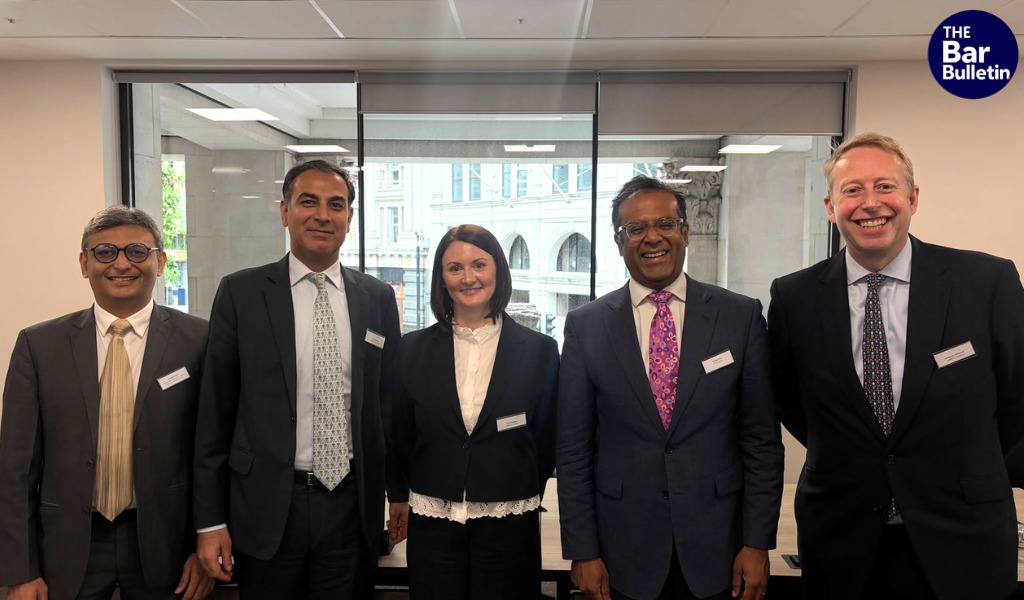

At the London International Disputes Week (LIDW) 2026, a panel discussion on the theme, “Arbitration used to sell itself as being a more robust and efficient dispute resolution procedure than litigation – is any of that true anymore?”, brought together leading arbitration practitioners from India and the United Kingdom to examine the evolving challenges facing the arbitral process.
Moderated by Sanjay Patel KC of 4 Pump Court, the panel brought together:
- Emily Walters (Legal Director, Addleshaw Goddard),
- Jonathan Tattersall (Partner and Head of Asia, Addleshaw Goddard),
- Vyapak Desai (Independent Counsel), and
- Karam Advani (Partner, Economic Laws Practice).
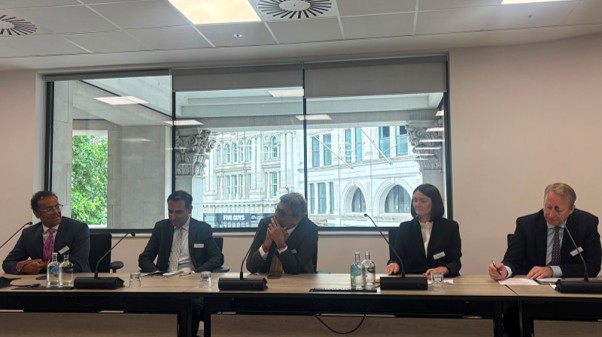
The discussion opened with audience polling that revealed a significant proportion of participants had experienced waiting periods of 18 months or longer for arbitral awards, highlighting persistent concerns around delay and cost. Panellists reflected on how these challenges affect businesses, particularly in large-scale infrastructure and construction disputes where lengthy proceedings can have substantial commercial consequences.
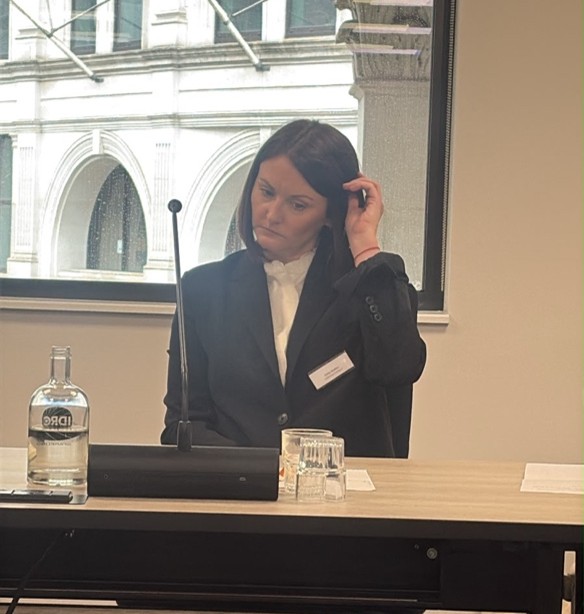 Emily Walters noted that while arbitration has historically been viewed as a faster alternative to litigation, complex disputes can now take several years from commencement to final award. She observed that clients increasingly question whether arbitration continues to deliver the efficiency originally promised.
Jonathan Tattersall pointed to tribunal availability as one of the principal drivers of delay, explaining that hearing dates are often determined by the schedules of arbitrators rather than the needs of the parties. He highlighted the growing recognition among arbitral institutions that users are demanding greater procedural efficiency and shorter timelines.
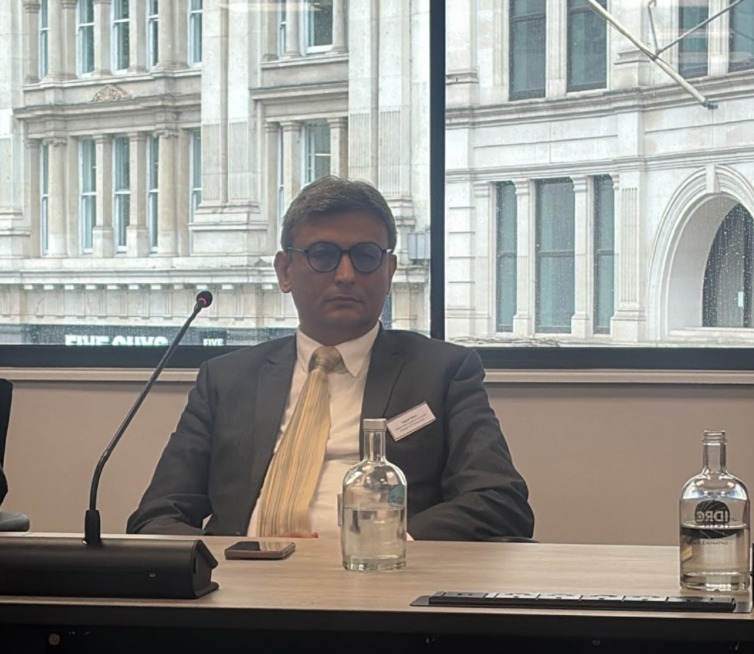
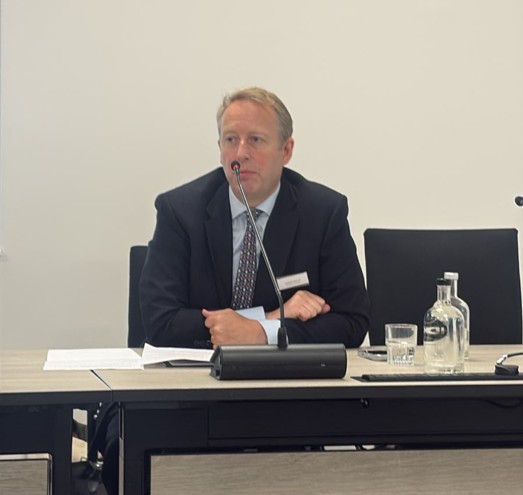
Offering an Indian perspective, Vyapak Desai discussed the significant reforms introduced through India’s arbitration legislation, including statutory timelines designed to encourage faster resolution of disputes. He also highlighted the role of institutions such as the Mumbai Centre for International Arbitration (MCIA) in promoting greater discipline and efficiency in arbitral proceedings.
Karam Advani emphasised that while arbitration is increasingly accepted by commercial parties in India, challenges remain in the post-award stage, where enforcement and court proceedings can substantially extend the overall dispute resolution process. He also noted the emergence of a specialised arbitration bar and a growing institutional culture aimed at improving standards and reducing delay.
Throughout the session, panellists explored whether recent rule changes introduced by leading arbitral institutions—including the ICC, LCIA, SIAC and HKIAC—are sufficient to address concerns regarding time and cost. While acknowledging meaningful progress, the panel agreed that continued reform, stronger case management and greater procedural discipline will be necessary to ensure arbitration remains an attractive forum for resolving complex international disputes.