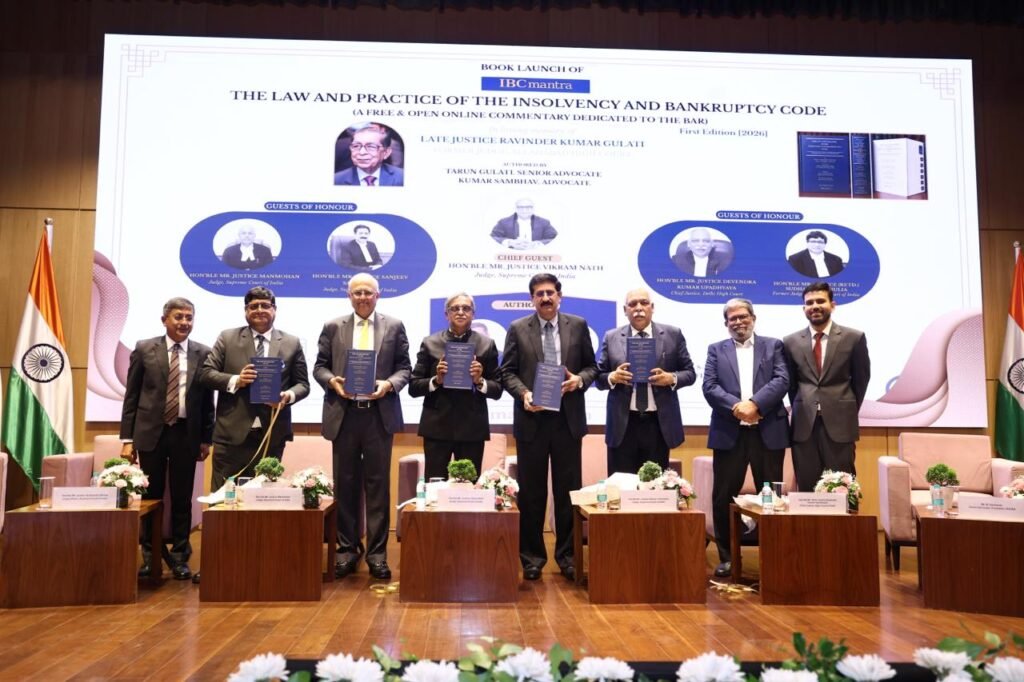
Justice Manmohan on Tuesday noted the importance of making legal knowledge widely accessible, urging successful members of the legal profession to give back through scholarship as he addressed the launch of IBCmantra: The Law and Practice of Insolvency and Bankruptcy, a free online commentary authored by Senior Advocate Tarun Gulati and Advocate Kumar Sambhav.
Speaking at the Delhi High Court, Justice Manmohan described the Insolvency and Bankruptcy Code (IBC) as a transformative and evolving legislation, observing that every hearing under the Code presents fresh legal questions.
“
“Access to knowledge is very, very crucial. I hope more lawyers who are doing well in the profession decide to give back by sharing knowledge with the next generation,” he said.
Reflecting on the evolution of India’s insolvency framework, Justice Manmohan recalled that before the IBC, commercial insolvency matters were spread across multiple forums, including Company Courts, the Company Law Board, DRTs and BIFR.
In a lighter moment, he remarked,
“
“The sicker the company, the higher the fee,”
while recalling the pre-IBC era under the Sick Industrial Companies Act. He noted that the IBC had brought these fragmented jurisdictions under a unified insolvency regime through the NCLT and NCLAT.
Justice Manmohan also welcomed the authors’ decision to publish the commentary free of cost and online, observing that legal research has largely shifted to digital platforms and that open access would particularly benefit young lawyers.
Speaking on the occasion, Justice Sanjeev Sachdeva described the IBC as a “tectonic shift” in India’s economic history, observing that it replaced a fragmented insolvency regime with a unified framework focused on timely resolution.
“
“The primary object of the IBC is resolution, not liquidation. Liquidation, in fact, is the last resort,”Justice Sachdeva said.
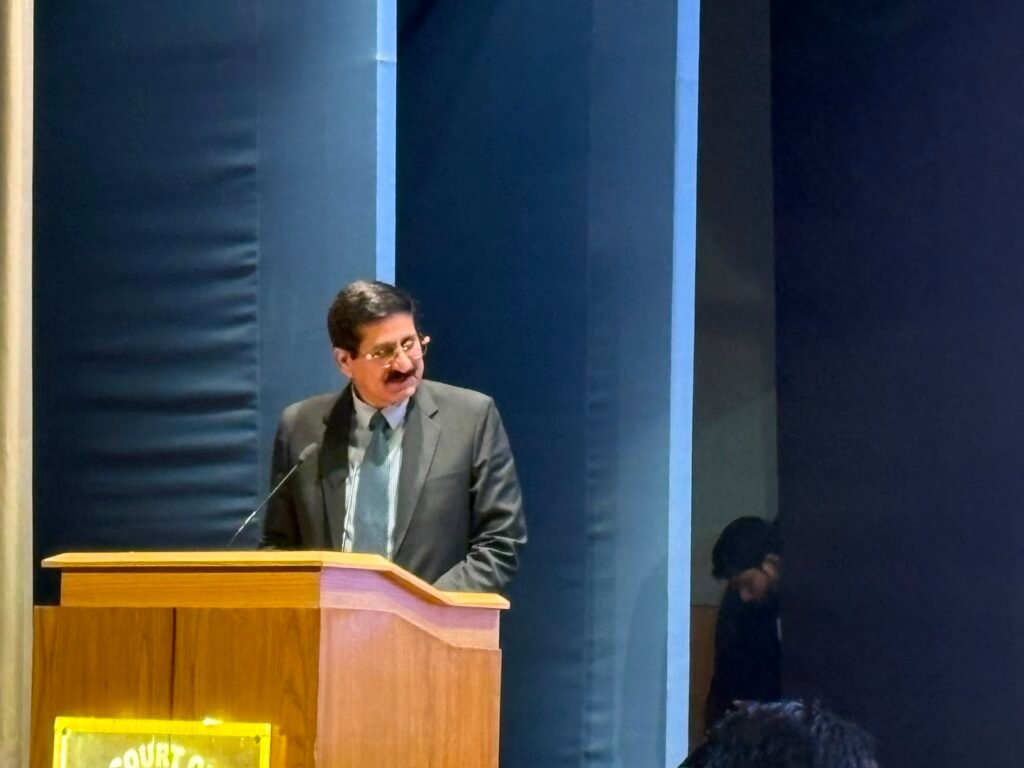
He noted that the Code had fundamentally altered corporate behaviour by shifting from a debtor-in-possession model to a creditor-in-control framework and had encouraged promoters to settle defaults before insolvency proceedings commenced.
Chief Justice Devendra Kumar Upadhyaya of the Delhi High Court described the IBC as one of independent India’s most significant legal reforms, emphasising that the success of legislation depends not only on statutory provisions but also on the quality of judicial interpretation and legal scholarship.
He observed that commentaries such as IBCmantra bridge the gap between statutory provisions and judicial precedents, providing valuable guidance to judges, lawyers, insolvency professionals, bankers and researchers.
Former Supreme Court Judge Justice (Retd.) Sudhanshu Dhulia described the IBC as a “path-breaking” legislation and recalled that the Supreme Court had characterised it as a “paradigm shift” soon after its enactment. Stressing the importance of judicial interpretation, he observed that a statute derives its true life through the manner in which courts interpret and apply it, adding that freely accessible legal commentaries play an important role in strengthening jurisprudence.
Senior Advocate N Hariharan, President of the Delhi High Court Bar Association, said the IBC had fundamentally changed the grammar of commercial distress by shifting the focus from liquidation to corporate rescue.
“Knowledge is perhaps the only professional capital that grows by being distributed,” he remarked, praising the authors for making the commentary freely available.
Concluding the event, Senior Advocate Tarun Gulati said the decision to make IBCmantra a free, online resource was driven by the belief that quality legal scholarship should be accessible to every member of the profession.
“Knowledge can never hide behind a price tag,” Gulati said, announcing that further academic initiatives, including tax law programmes and law school outreach projects, would be launched in memory of his late father, Justice R.K. Gulati.
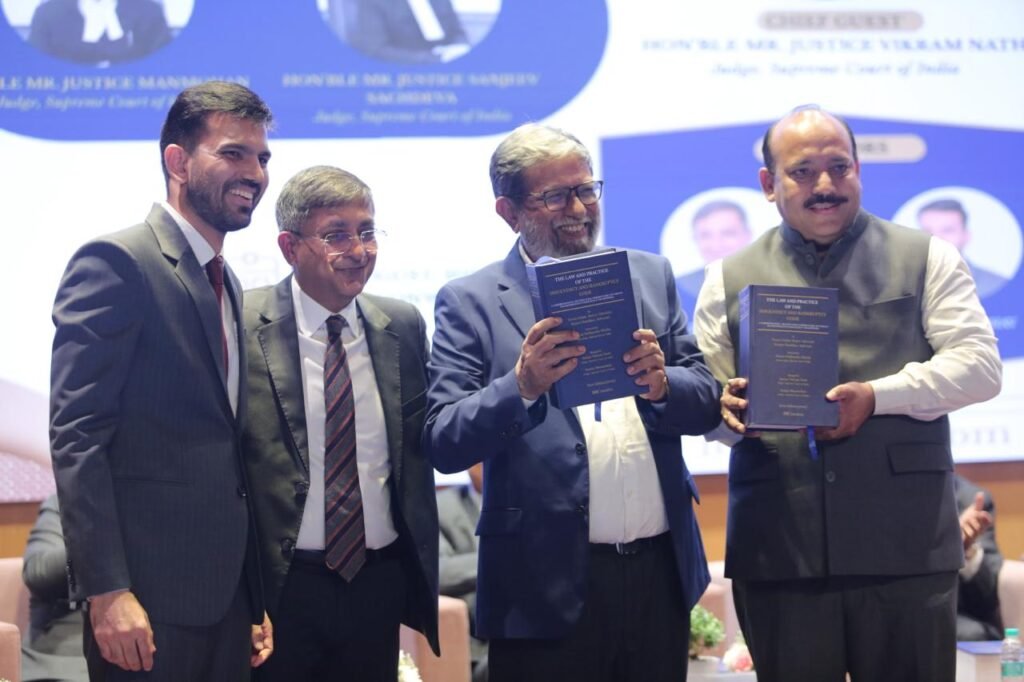
The commentary was formally launched in the presence of members of the Bench, the Bar and the legal fraternity and is now available as a free online resource dedicated to insolvency law.

‘The Sicker the Company, the Higher the Fee’: Justice Manmohan Recalls India’s Pre-IBC Insolvency Regime
Bhumika Indulia
Justice Manmohan on Tuesday noted the importance of making legal knowledge widely accessible, urging successful members of the legal profession to give back through scholarship as he addressed the launch of IBCmantra: The Law and Practice of Insolvency and Bankruptcy, a free online commentary authored by Senior Advocate Tarun Gulati and Advocate Kumar Sambhav.
Speaking at the Delhi High Court, Justice Manmohan described the Insolvency and Bankruptcy Code (IBC) as a transformative and evolving legislation, observing that every hearing under the Code presents fresh legal questions.
“
“Access to knowledge is very, very crucial. I hope more lawyers who are doing well in the profession decide to give back by sharing knowledge with the next generation,” he said.
Reflecting on the evolution of India’s insolvency framework, Justice Manmohan recalled that before the IBC, commercial insolvency matters were spread across multiple forums, including Company Courts, the Company Law Board, DRTs and BIFR.
In a lighter moment, he remarked,
“
“The sicker the company, the higher the fee,”
while recalling the pre-IBC era under the Sick Industrial Companies Act. He noted that the IBC had brought these fragmented jurisdictions under a unified insolvency regime through the NCLT and NCLAT.
Justice Manmohan also welcomed the authors’ decision to publish the commentary free of cost and online, observing that legal research has largely shifted to digital platforms and that open access would particularly benefit young lawyers.
Speaking on the occasion, Justice Sanjeev Sachdeva described the IBC as a “tectonic shift” in India’s economic history, observing that it replaced a fragmented insolvency regime with a unified framework focused on timely resolution.
“
“The primary object of the IBC is resolution, not liquidation. Liquidation, in fact, is the last resort,”Justice Sachdeva said.
He noted that the Code had fundamentally altered corporate behaviour by shifting from a debtor-in-possession model to a creditor-in-control framework and had encouraged promoters to settle defaults before insolvency proceedings commenced.
Chief Justice Devendra Kumar Upadhyaya of the Delhi High Court described the IBC as one of independent India’s most significant legal reforms, emphasising that the success of legislation depends not only on statutory provisions but also on the quality of judicial interpretation and legal scholarship.
He observed that commentaries such as IBCmantra bridge the gap between statutory provisions and judicial precedents, providing valuable guidance to judges, lawyers, insolvency professionals, bankers and researchers.
Former Supreme Court Judge Justice (Retd.) Sudhanshu Dhulia described the IBC as a “path-breaking” legislation and recalled that the Supreme Court had characterised it as a “paradigm shift” soon after its enactment. Stressing the importance of judicial interpretation, he observed that a statute derives its true life through the manner in which courts interpret and apply it, adding that freely accessible legal commentaries play an important role in strengthening jurisprudence.
Senior Advocate N Hariharan, President of the Delhi High Court Bar Association, said the IBC had fundamentally changed the grammar of commercial distress by shifting the focus from liquidation to corporate rescue.
“Knowledge is perhaps the only professional capital that grows by being distributed,” he remarked, praising the authors for making the commentary freely available.
Concluding the event, Senior Advocate Tarun Gulati said the decision to make IBCmantra a free, online resource was driven by the belief that quality legal scholarship should be accessible to every member of the profession.
“Knowledge can never hide behind a price tag,” Gulati said, announcing that further academic initiatives, including tax law programmes and law school outreach projects, would be launched in memory of his late father, Justice R.K. Gulati.
The commentary was formally launched in the presence of members of the Bench, the Bar and the legal fraternity and is now available as a free online resource dedicated to insolvency law.
Other Posts
Could Green Taxes Change How We Treat Nature? Attorney General R Venkatramani Floats New Idea
Weekly Rewind 14th – 20th September, 2026
Supreme Court: Export Quota Premium Does Not Constitute Business Income ‘Derived’ From Exports, CBDT Circulars Hold No Sway Over Courts
Categories