
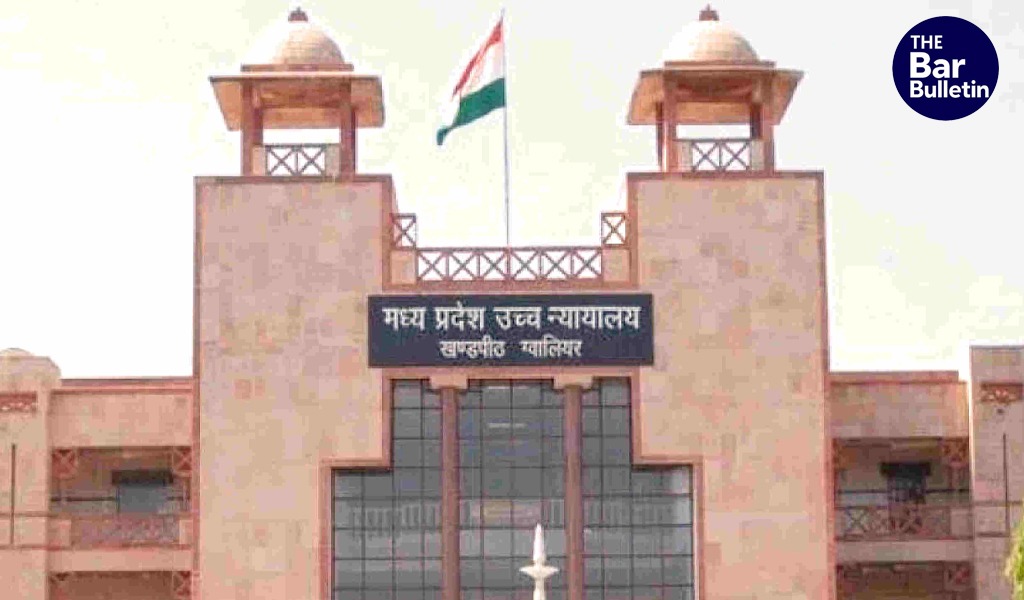

The High Court of Madhya Pradesh (Jabalpur Bench) has declared the M.P. Ordinance No.2 of 2019 dated March 08, 2019, and the M.P. Lok Seva (Anusuchit Jatiyon, Anusuchit Arakshan) Sanshodhan Adhiniyam, 2019, increasing OBC reservation from 14% to 27% unconstitutional. It clarified that the dispute concerned the extent of reservation, not OBC entitlement to reservation, which would remain at 14% in public services and higher education.
Applying Indra Sawhney vs. Union of India [1992 Supp (3) SCC 217] and reiterated in Jaishri Laxmanrao Patil vs. Chief Minister [(2021) 8 SCC 1], the High Court held that backwardness and inadequate representation do not, by themselves, justify reservation beyond 50%. No extraordinary circumstances warranting relaxation were established in Madhya Pradesh. The Court also questioned reliance on the outdated Mahajan Commission report and the post-facto BRAUSS study, particularly its limited, OBC-only survey and lack of comparative assessment.
Also read CESTAT Upholds Royal Enfield’s Right to Use Service Station Input Service Credit to Pay Excise Duty
The Court also held that the NCBC ought to have been consulted on whether extraordinary circumstances justified crossing the ceiling. Accordingly, OBC candidates appointed under the enhanced quota from March 2019 up to 29 September 2022 were permitted to continue in service without removal. The Court however cautioned that excess posts would be subsumed or adjusted in the next three recruitment drives. This protection did not uphold the validity of 27% reservation.
The Court directed that the remaining 13% posts under the recruitment bifurcation arrangement be filled from unreserved-category lists. Enhanced-quota OBC appointments beyond 14% made after 29 September 2022 were directed to be treated as null and void and replaced by unreserved-category appointments. Recruitment agencies must complete the appointments against these 13% posts within three months as an outer limit.
Briefly, a batch of petitions were filed challenging the State’s 2019 Ordinance and Amendment Act, which increased reservation for Other Backward Classes (OBCs) from 14% to 27%. The increase took the combined reservation for Scheduled Castes, Scheduled Tribes and OBCs to 63%. The dispute also concerned admissions and recruitment under the enhanced quota. During the proceedings, interim orders restricted OBC reservation, and the State subsequently adopted an arrangement under which results for 87% of posts could be declared, while the remaining 13% were kept provisional pending the Court’s decision.
The Division Bench comprising Justice Anand Pathak and Justice Vinay Saraf emphasised that the dispute was not about whether OBCs should receive reservation, but about the extent of that reservation. On the data examined concerning public services and higher education, it found that OBCs were adequately represented and were part of the mainstream. It held that no extraordinary conditions or emergent situation had been established to justify increasing the quota beyond the 50% reservation ceiling.
The Court also observed that the National Commission for Backward Classes ought to have been consulted on whether circumstances justified crossing that ceiling. It described the legislation as having been passed in undue haste, while clarifying that this concern might not, by itself, have been conclusive grounds for striking it down. The Court held that OBC reservation would remain at 14%, rather than 27%, in public services and higher education.
Applying the principles laid down in Indra Sawhney vs. Union of India [1992 Supp (3) SCC 217] and reiterated in Jaishri Laxmanrao Patil vs. Chief Minister [(2021) 8 SCC 1], the Court held that the 50% ceiling had to be followed because no exceptional circumstances warranting its breach were shown. It therefore declared the 2019 Ordinance and Amendment Act, which raised OBC reservation from 14% to 27%, unconstitutional and struck down the Amendment Act.
