
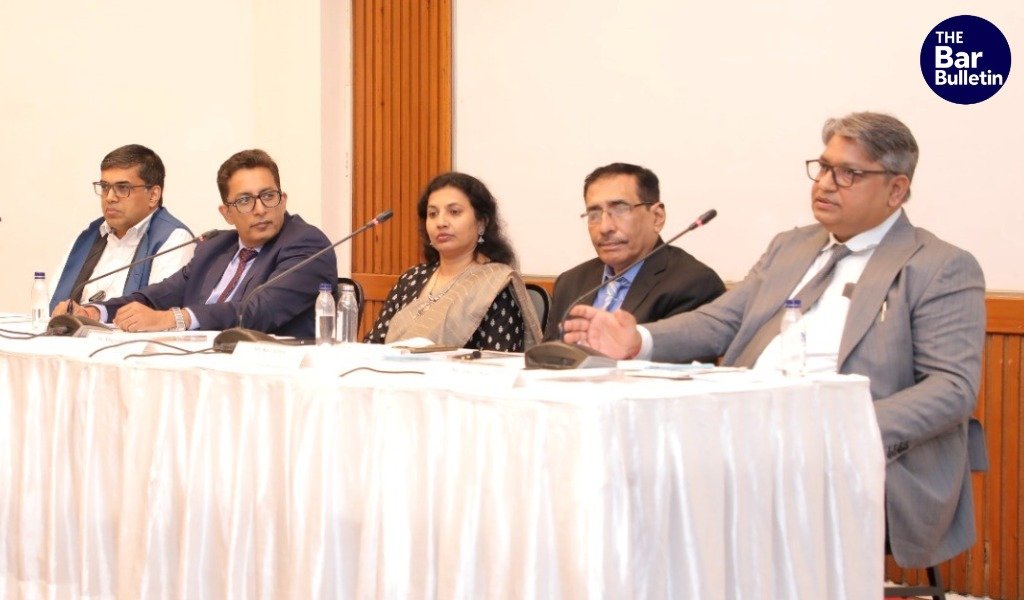

New Delhi, 7 August 2026. Hammurabi & Solomon Partners convened a full-day industry dialogue in New Delhi to examine the implementation of India’s four labour codes and their consequences for employers across sectors. The programme brought together regulators, general counsel, human resources leaders and practitioners for two structured panel discussions and interactive sessions addressing the most pressing questions confronting organisations as the new statutory framework takes effect.
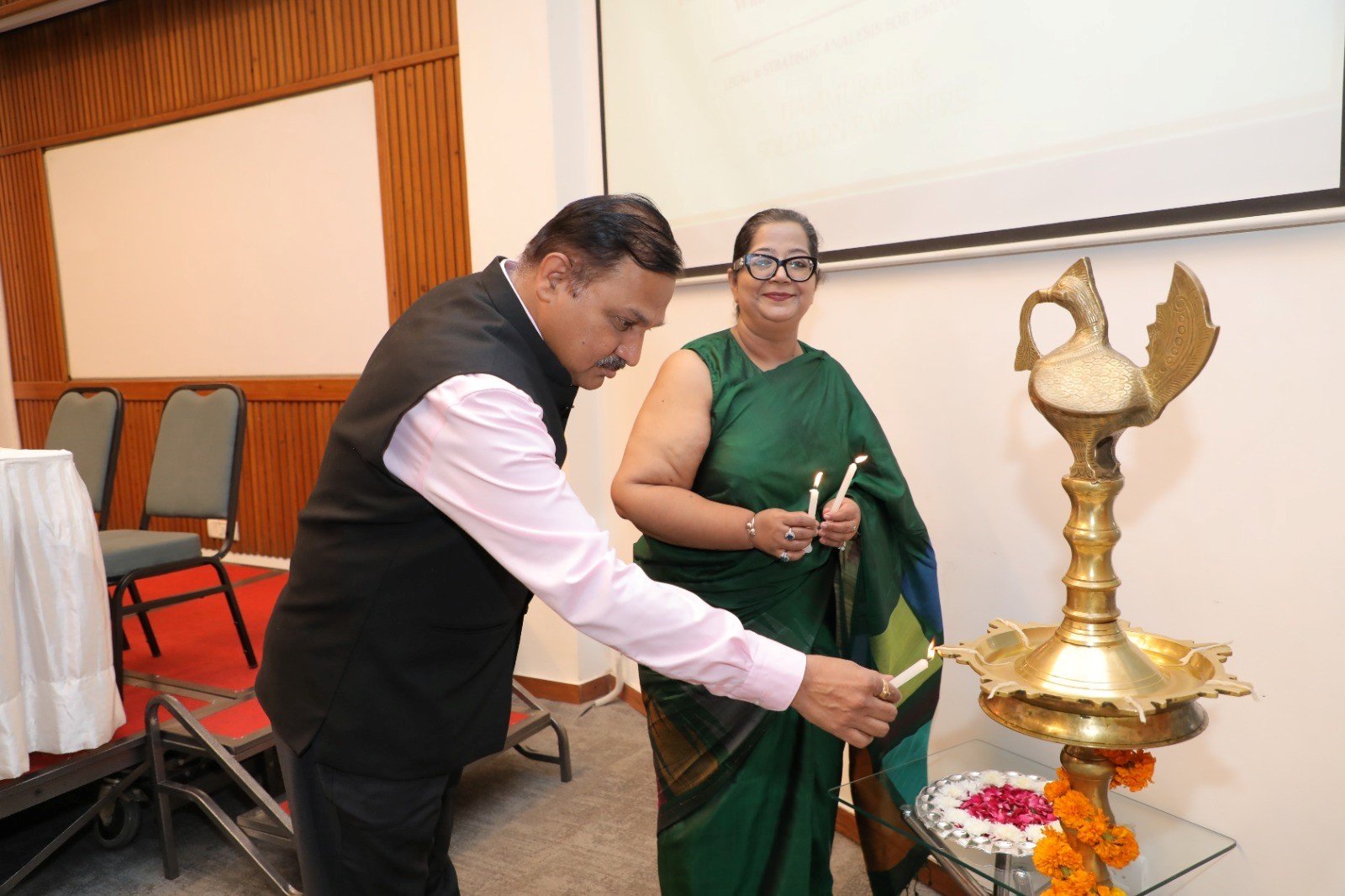
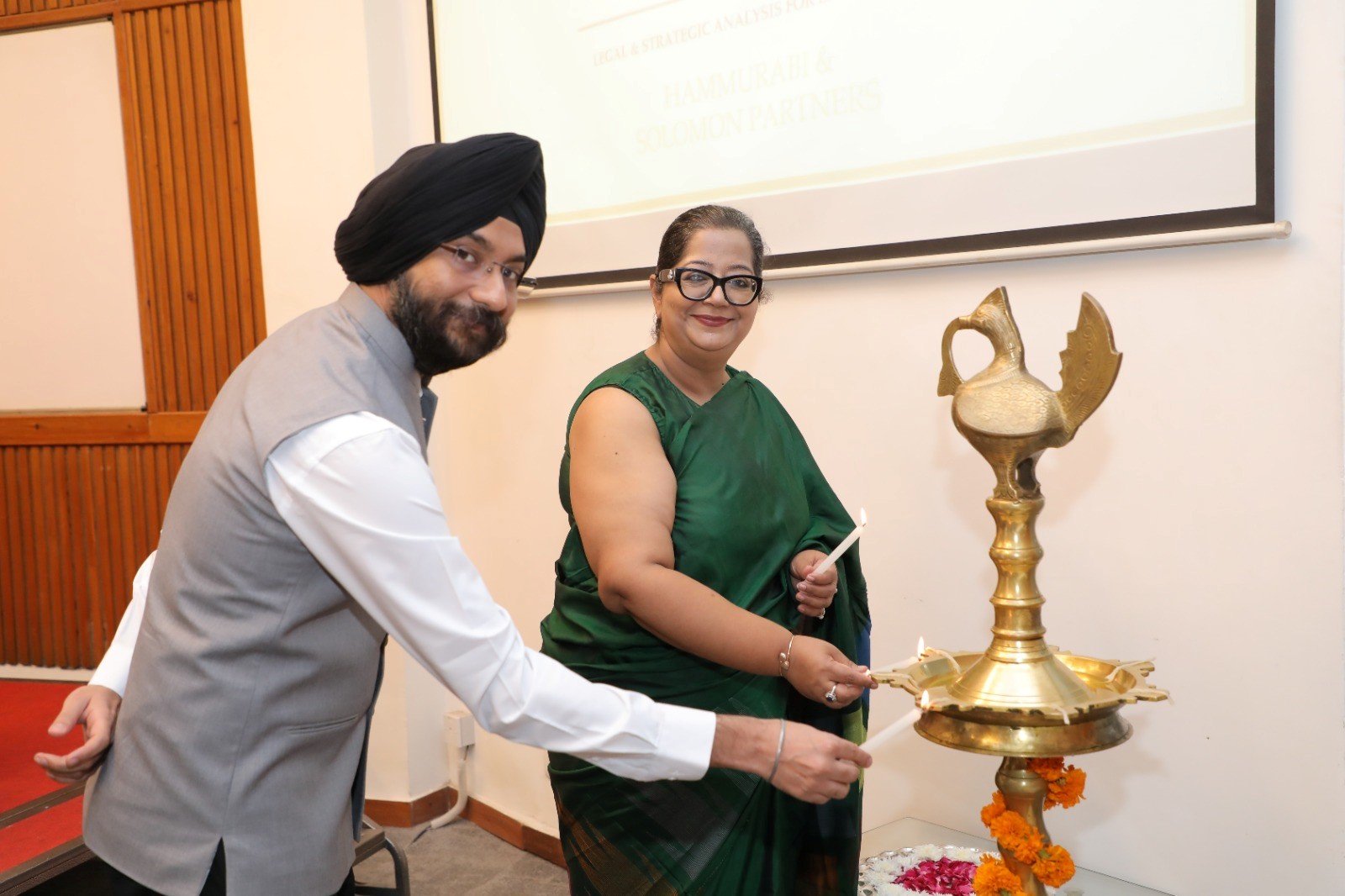
The proceedings opened with a welcome address by Ms. Shweta Bharti, Managing Partner of the Firm. The gathering was thereafter addressed by the Guest of Honour, Mr. Avnit Singh Arora, Director (Arbitration and Conciliation), Department of Legal Affairs, and by the Chief Guest, Mr. Pramod S. Karmase, Deputy Chief Labour Commissioner (Central), Ministry of Labour and Employment.
Panel I: From Gratuity to Gig Workers
The first session, moderated by Mr. Nayan Mittal, Senior Associate at the Firm, examined how the social security architecture under the new codes reshapes obligations around gratuity, contract labour, maternity benefits and the gig economy. The panel comprised Mr. Abhijeet Kumar, Deputy Chief Labour Commissioner (Retd.); Ms. Ojasvita Srivastava, General Counsel and Risk Manager, Securitas; Mr. Parveen Jain, General Counsel and Company Secretary, Educomp Solutions Limited; Mr. Sumoy Kumar Palit, Executive Director, Human Resources, Indian Oil Corporation Limited (Retd.); and Ms. Tejaswini Chandrasekhar, Principal Associate at the Firm.
The panel observed that gratuity now falls within the Social Security Code, 2020, and that fixed-term employees are, for the first time, entitled to gratuity after one year of service in place of the standard five-year threshold. Gratuity is now computed on the revised definition of wages, under which allowances exceeding fifty per cent of total remuneration are added back for the purpose of calculating statutory dues. Speakers noted the continuing practical liability of principal employers for contract labour, and welcomed the introduction of a compulsory insurance mechanism requiring contractors to insure their workforce for gratuity.
On social protection, the panel discussed the expansion of maternity benefits, including twenty-six weeks of paid leave, recognition of adoptive and commissioning mothers, and crèche obligations, while acknowledging a gap between legislative intent and on-ground implementation, particularly for smaller businesses and MSMEs. India was identified as the first country in the region to statutorily define gig and platform workers, a development situated within the broader context of the International Labour Organization’s Convention 193 on decent work in the platform economy, adopted in June 2026. The panel further reviewed the consolidation achieved under the Occupational Safety, Health and Working Conditions Code, the standardisation of working hours, the mitigation of director liability through documented compliance frameworks and active monitoring, and the effect of salary restructuring on the take-home pay of younger employees. The broader shift toward expanded social security was framed as consistent with the long-term vision of Viksit Bharat 2047.
Panel II: When CTC Meets the Code
The second session, moderated by Ms. Pranshu Singh, Managing Associate at the Firm, turned to the revised statutory definition of wages and its impact on existing compensation structures. The panel comprised Mr. Anil Tiwari, Partner at the Firm; Mr. Satyajit Gupta, Vice-President, Associate General Counsel and Head of India Legal, EXL; Mr. Himanshu Mathur, Associate Director, Accenture; Ms. Bhagyashree Sett, General Counsel, Technip Energies India Limited; and Mr. Ravi Arora, Vice-President, Corporate Affairs and Company Secretary, Heidelberg Cement India Limited.
The panel clarified that the widely referenced “fifty per cent rule” is not an independent statutory requirement but emerges from the framework governing exclusions from remuneration, and noted that the March 2026 clarification does not grandfather existing salary structures. The revised definition consequently carries implications for provident fund contributions, gratuity, statutory bonus and minimum wage compliance. Speakers cautioned that restructuring should not be approached as a one-time compliance exercise, emphasising the importance of a three to five year financial outlook and collective assessment by the human resources, legal, payroll and finance functions before any restructuring is undertaken.
Notwithstanding the notification of the Central Rules in May 2026, the panel observed that implementation at the State level remains uneven, with only a limited number of States having notified rules under all four codes. Organisations were encouraged to undertake scenario-based planning, including actuarial assessment of potential liabilities, rather than defer preparatory work until complete regulatory clarity is achieved. The discussion distinguished India’s statutory minimum wage framework from the concept of a living wage, anticipating that the national floor wage would operate primarily as a baseline rather than eliminating inter-State disparities. Speakers also addressed the requirement to complete full and final settlement within two working days of termination, the treatment of expatriate and international mobility arrangements, and the financial reporting consequences of delayed implementation, including the recognition of arrears as liabilities and the attendant risk of audit qualification.
A Cross-Functional Imperative
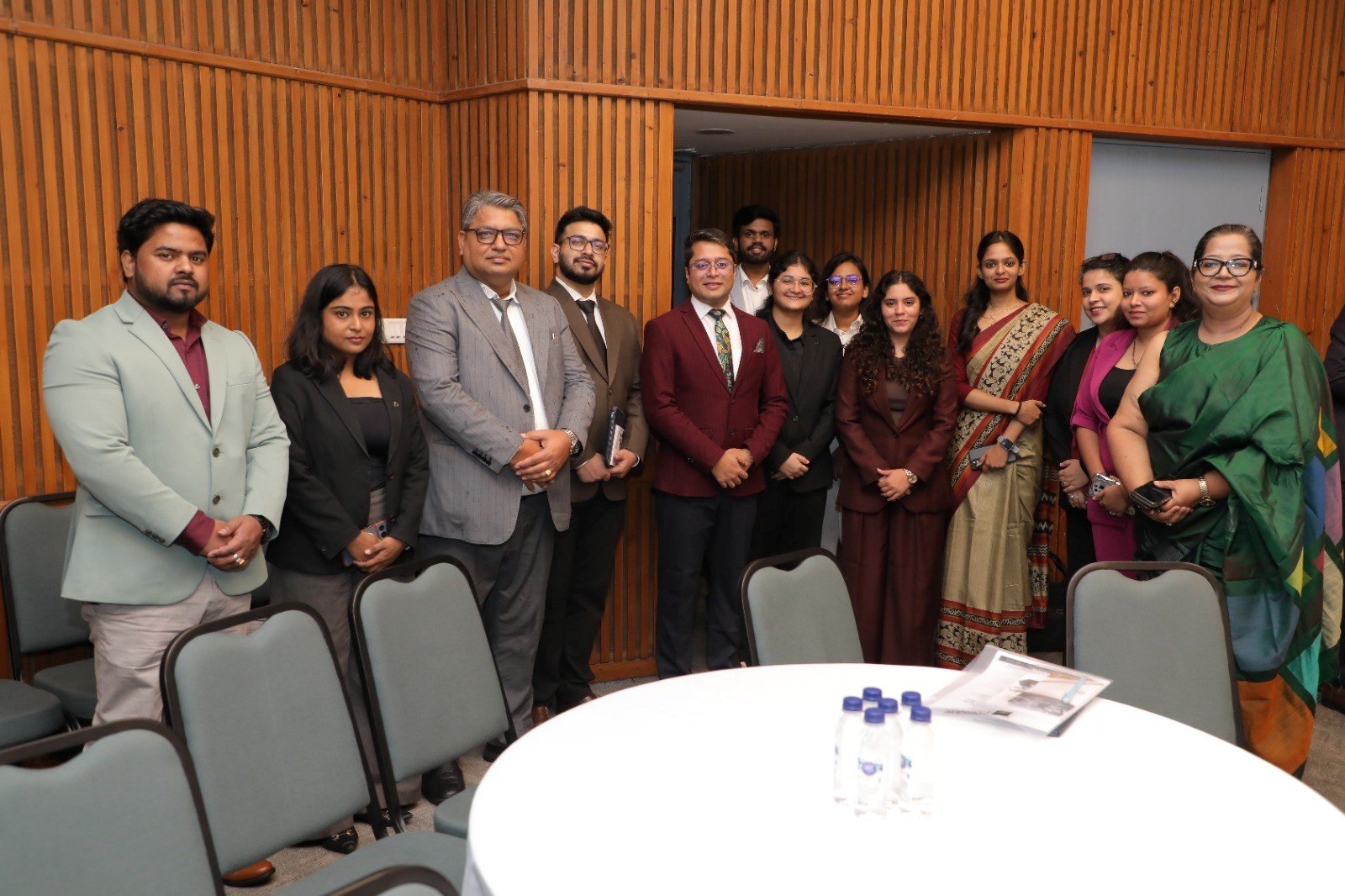
Both sessions converged on a common theme, that implementation of the revised wage framework should be treated as an ongoing, cross-functional compliance exercise rather than a one-time statutory checklist. Speakers across both panels stressed that preparatory measures should commence immediately, that senior management should have adequate three to five year visibility of the potential financial impact, and that the appropriate implementation strategy will necessarily differ across organisations depending on their workforce composition, existing compensation structures and operational requirements. The dialogue concluded with closing remarks by the Hammurabi & Solomon Partners team.

About Hammurabi & Solomon Partners
Hammurabi & Solomon Partners is a full-service Indian law firm advising domestic and international clients across corporate, regulatory, employment and dispute resolution matters.
For further information, please contact the Communications Team, Hammurabi & Solomon Partners, New Delhi.