

The Supreme Court on Tuesday disposed of the bail plea of alleged ISIS operative Md Heydaitullah, directing the Special Court to examine the vital and protected witnesses within six months and complete the entire trial within one year.
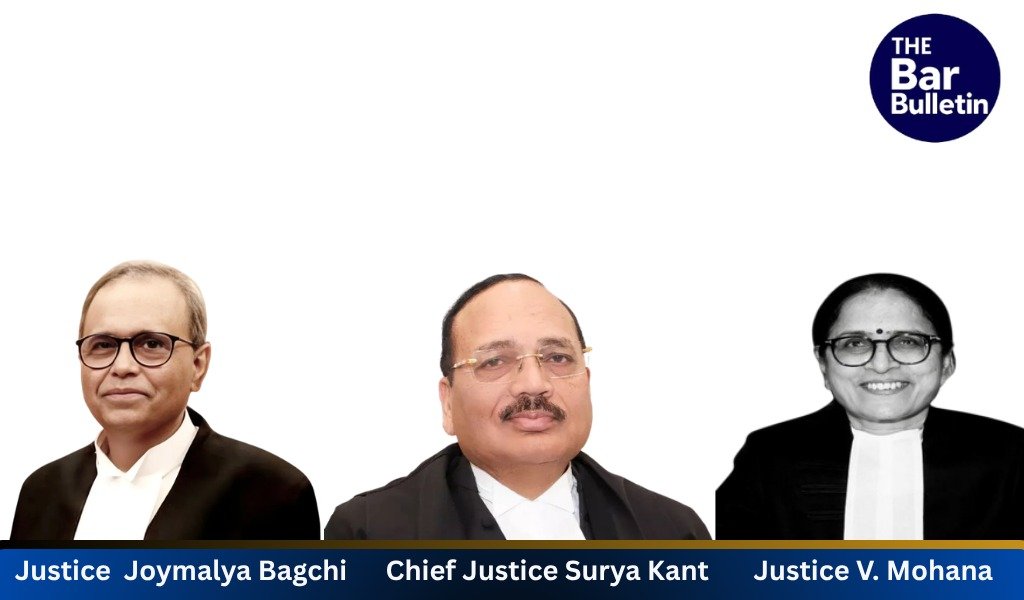
A Bench comprising Chief Justice Surya Kant, Justice Joymalya Bagchi and Justice V Mohana passed the directions while hearing Heydaitullah’s challenge to the Delhi High Court’s January 2025 judgment refusing him bail.
The case arose from an NIA investigation into an alleged ISIS-linked cyber-radicalisation and terror conspiracy. According to the prosecution, ISIS was running a campaign in cyberspace to radicalise youths and promote terrorist activities, and Heydaitullah was allegedly associated with co-accused Basit Kalam Siddiqui and involved in disseminating ISIS ideology. The prosecution also alleged that he had transferred funds for the cause of ISIS and that incriminating material was recovered from electronic devices seized from him.
The Delhi High Court had rejected his bail plea after examining the material relied upon by the NIA, including Telegram chats and other electronic evidence. The High Court held that the bar under Section 43D(5) of the UAPA was attracted and observed that the material indicated that Heydaitullah was not merely a passive supporter of ISIS. The accused thereafter approached the Supreme Court, challenging the High Court’s decision.
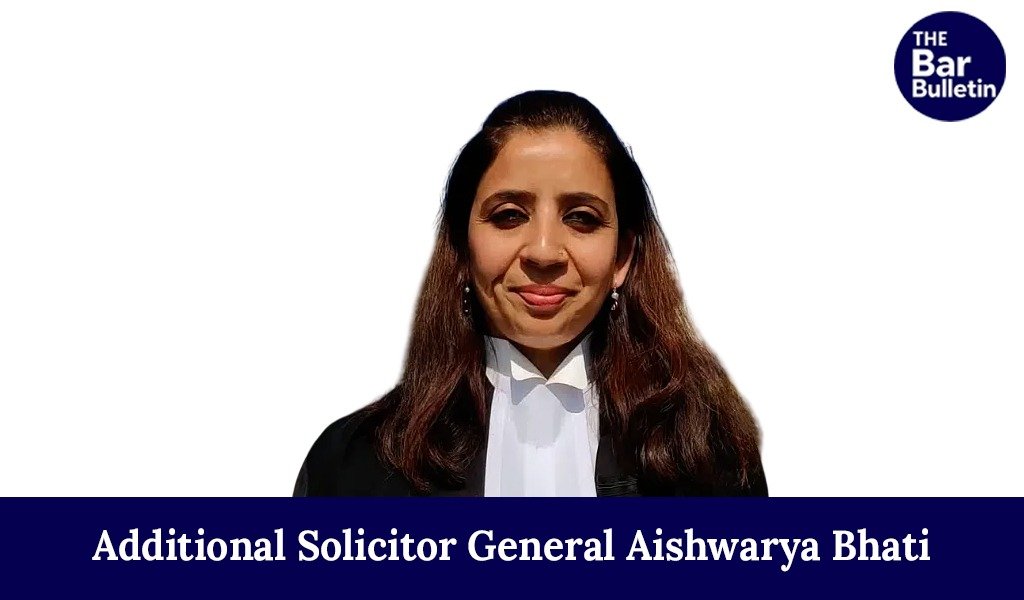
During today’s hearing, Additional Solicitor General Aishwarya Bhati, appearing for the NIA, informed the Bench that Delhi now has three exclusive courts and that charges had already been framed in the case.
Counsel for Heydaitullah submitted that the Supreme Court’s earlier notice had been limited to the issue of delay. He pointed out that there were essentially two allegations against the petitioner, relating to his phone and alleged funding, and submitted that the funding allegation rested on a single witness. The counsel urged the Court to prioritise examination of that witness, emphasising that Heydaitullah had already spent more than four years in custody.
The ASG informed the Bench that eight accused had been chargesheeted while four were absconding, and the prosecution also had protected witnesses.
Justice Bagchi took note of the period already spent in custody and observed that the minimum sentence for the offences was five years and that life imprisonment was not mandatory.
“
“Minimum sentence is 5 years. Not life mandatory. Already 4.5 years have passed. We will expect you to complete vital witnesses in 6 months-1 year.”
Counsel for the petitioner clarified that none of the protected witnesses were against Heydaitullah and that the witness relied upon for the funding allegation was a public witness.
The Bench, however, noted that the case involved allegations of conspiracy and directed the NIA to proceed expeditiously with the examination of the material witnesses. Justice Bagchi reiterated that the prosecution should complete the examination of the vital witnesses within six months.
The Bench also considered the material allegedly recovered from Heydaitullah’s electronic device. Justice Bagchi observed:
“
“Nature of material coming from your device is substantial. We will give them 6 months. Thereafter you renew your prayer.”
Counsel for Heydaitullah then sought a direction that his regular bail plea be kept pending so that he could renew the prayer after six months. The Court, however, disposed of the petition with directions to expedite the trial.
The Supreme Court directed the Special Court to examine the vital and protected witnesses within six months and complete the entire trial within one year. It further directed that the trial be taken up on a day-to-day basis, if required. The Court’s order does not grant bail to Heydaitullah at this stage but gives him liberty to renew his bail prayer after the stipulated period, after the vital witnesses have been examined.