
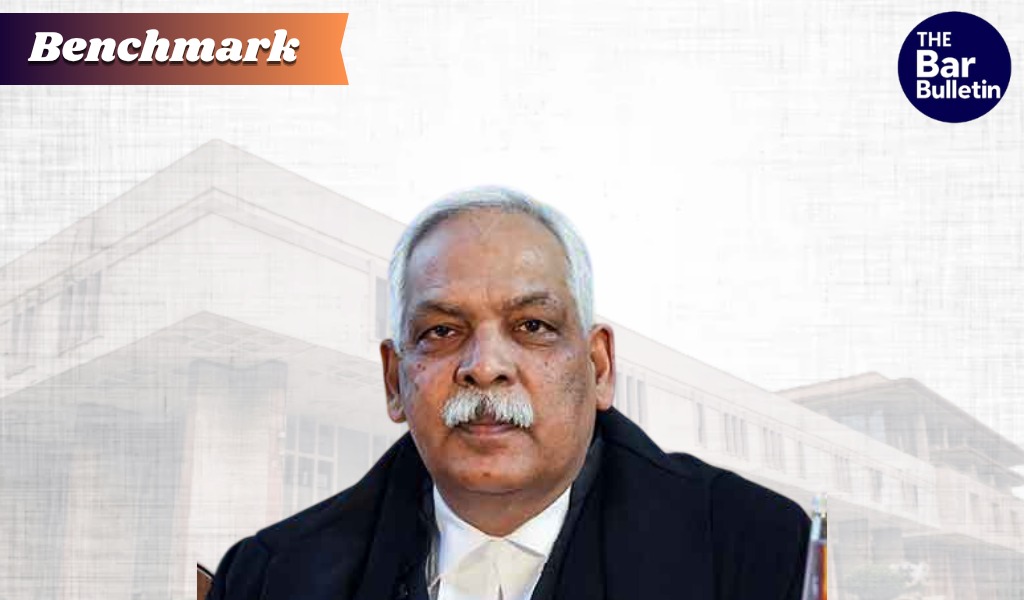

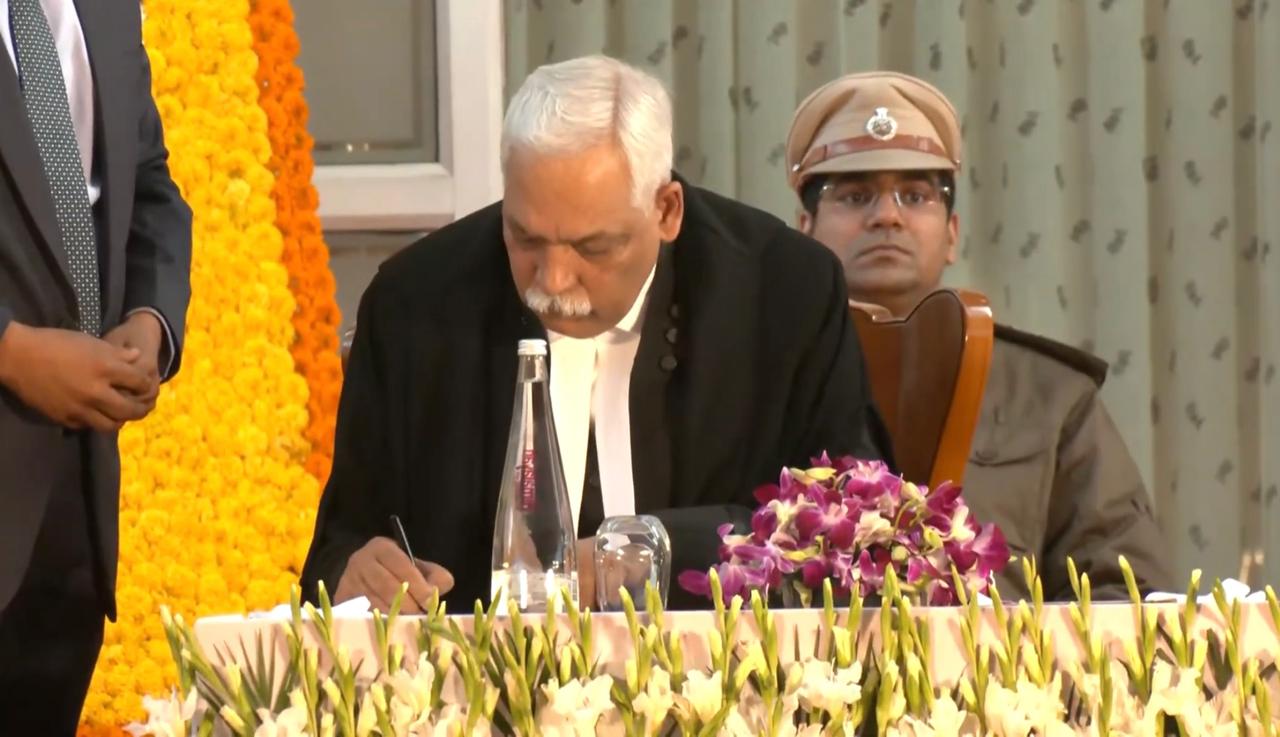
Serving as the 34th Chief Justice of the Delhi High Court, Justice Devendra Kumar Upadhyaya’s career is defined by an unwavering dedication to balancing the cold letter of the law with the warm pulse of human empathy. Celebrated for his intellectual depth, constitutional integrity, and deep empathy for the common citizen, Justice Upadhyaya’s judicial journey spans over a decade of transformative service.
Early Life & Career
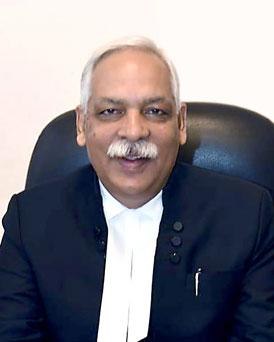
Justice Upadhyaya was born in Ambedkar Nagar, Uttar Pradesh on 16-06-1965. After being raised in a legal environment under the guidance of his father, a veteran advocate, Justice Upadhyaya graduated in law from Lucknow University in 1991 and immediately enrolled as an advocate. Trained under his father and distinguished legal luminaries Senior Advocate Mohd. Arif Khan and Senior Advocate S.K. Kalia, he specialized heavily in civil and constitutional law, and his legal capability led to his appointment as the Chief Standing Counsel for the State of Uttar Pradesh in 2007.
Judicial Elevations
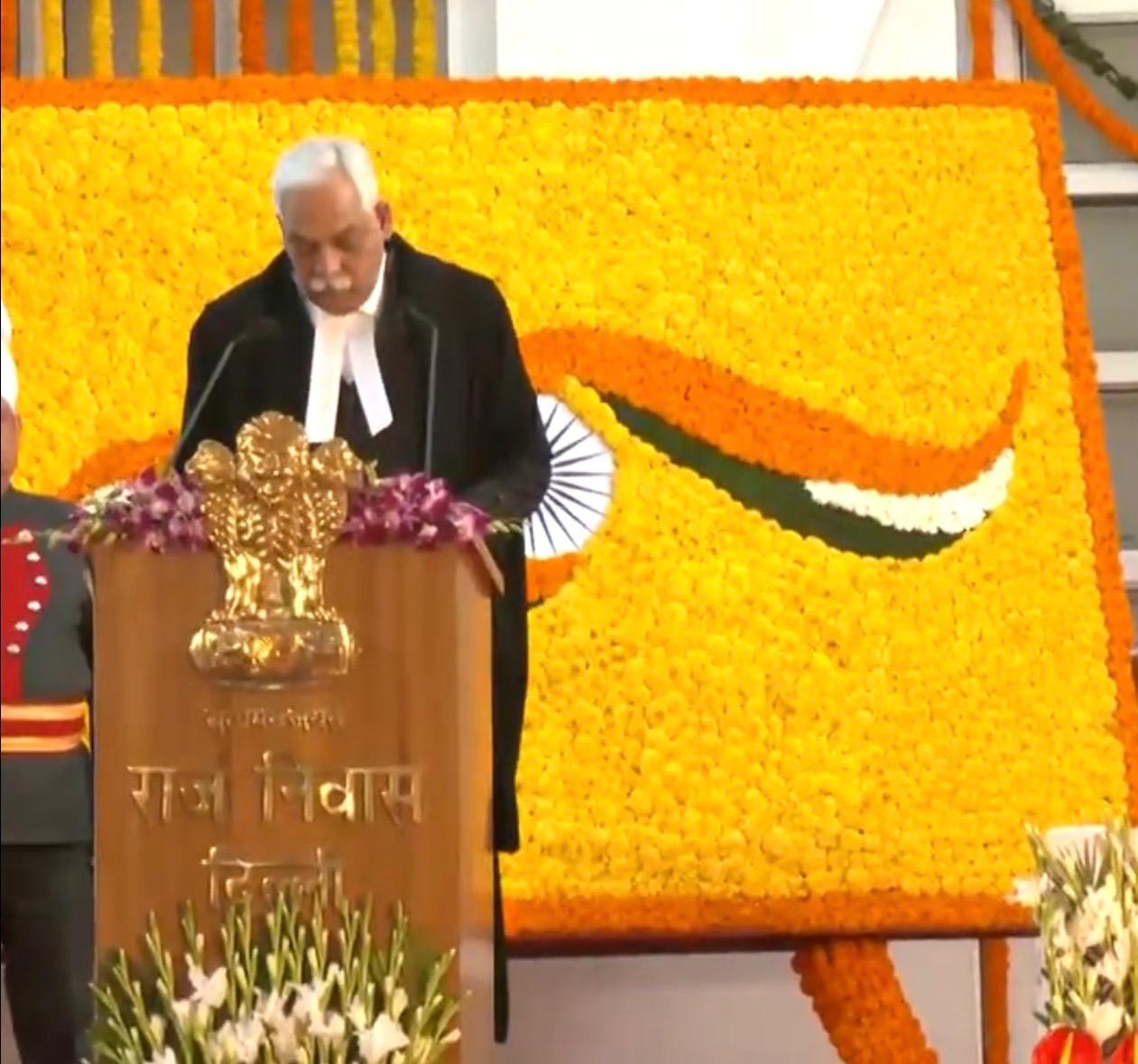
On 21-11-2011, Justice Devendra Upadhyaya was elevated to the bench as an Additional Judge of the Allahabad High Court, and later became a Permanent Judge in 2013. Justice Upadhyaya rose to become a Senior Judge at the Lucknow Bench of the Allahabad High Court by March 2023. Thereafter, he was appointed as the 47th Chief Justice of the Bombay High Court on 29-07-2023 and was then transferred by the Supreme Court Collegium to head the Delhi High Court, taking his oath on 21-01-2025.
Notable Judgments
● Vaibhav Pandey v. State of Uttar Pradesh & Ors. [2022 SCC OnLine All 923]
Justice Upadhyaya delivered this highly impactful judgment concerning grass-roots democracy, while being at the Allahabad High Court. The Court ordered that urban local body elections proceed without the implementation of OBC reservations unless the state strictly fulfilled the “triple-test” parameters laid down by the Supreme Court. This judgment underscored the judiciary’s insistence on empirical data collection before configuring political reservation frameworks.
● X v. Union of India through Secretary, Ministry of Home Affairs [2023 SCC OnLine All 429]
This progressive ruling was co-authored by Justice Upadhyaya, defending the constitutional protections of HIV-positive personnel. The Bench declared that denying employment or career progression to individuals based on health status directly violated Articles 14, 16, and 21 of the Constitution of India.
● Kapil Madan v. Union of India [W.P.(C) 19644/2025]
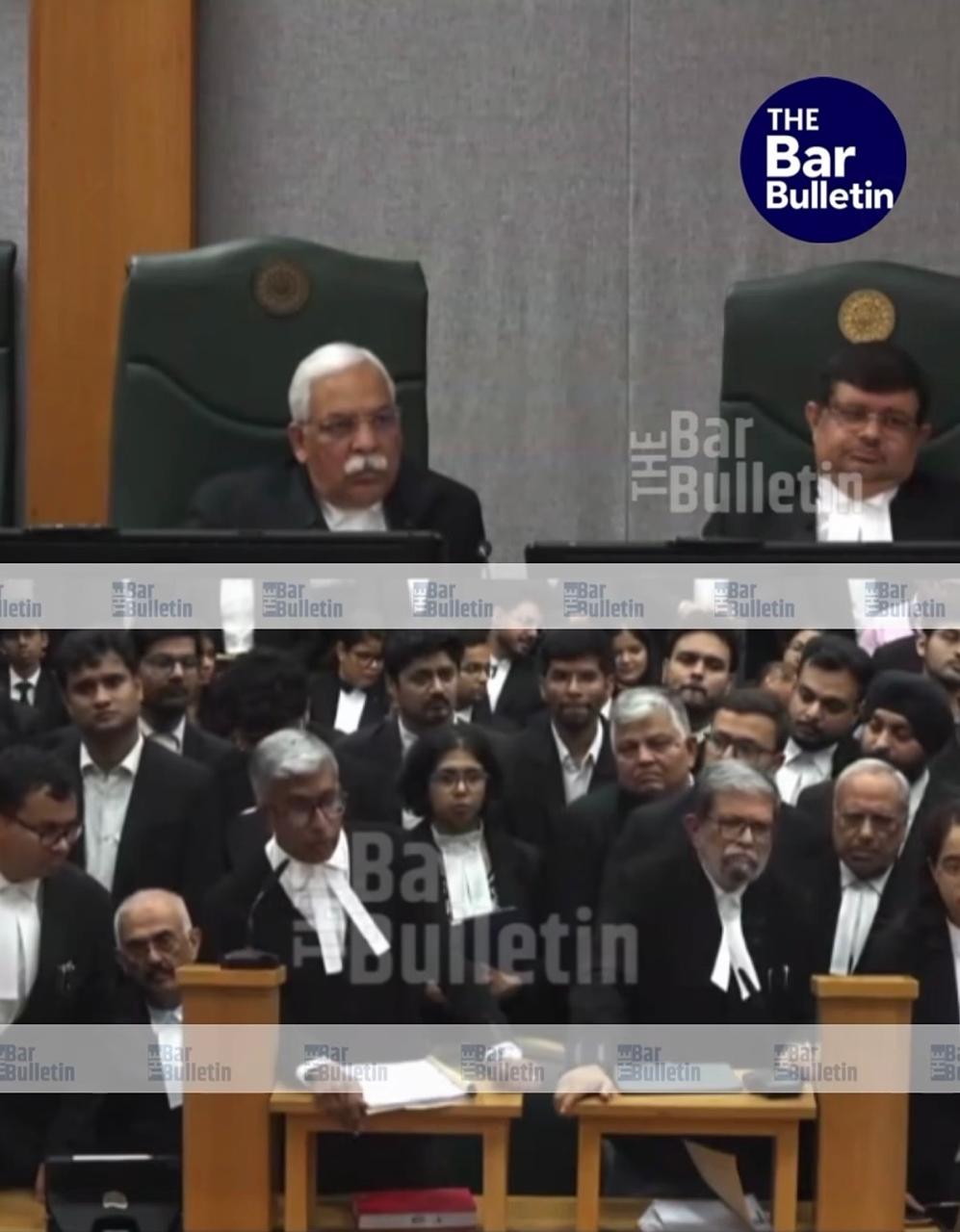
Chief Justice Devendra Kumar Upadhyaya led the Division Bench in Kapil Madan v. Union of India, demanding the government to consider reducing GST on air purifiers amid the severe public health crisis. He asserted that, given the health risks, air purifiers should not be considered luxury items and directed the GST Council to urgently address the tax rate.
● Sangita Rai v. New Delhi Bar Association & Ors. [2026:DHC:433-DB]
Chief Justice Devendra Kumar Upadhyaya and Justice Tejas Karia ruled that bar associations, as private societies, are not state instrumentalities under Article 12, thereby placing them outside the scope of writ jurisdiction. The Court determined that disputes regarding chamber possession must be handled through civil or statutory channels rather than a writ of mandamus, a position affirmed following an appeal.
● Vinesh Phogat v. Wrestling Federation of India [2026:DHC:4661-DB]
The Division Bench of Chief Justice Upadhyaya and Justice Tejas Karia emphasized institutional sensitivity in this matter, declaring that motherhood cannot become a basis for exclusion or disadvantage in a professional sporting career after the federation disqualified her for missing mandatory domestic qualifiers due to pregnancy and postpartum recovery. It was ruled that Vinesh Phogat must be permitted to participate in the selection trials of the 2026 Asian Games.
● Pooja as Guardian of Baby Devanshi Jaisawar v. Aadharshila Vidyapeeth & Anr. [2026:DHC:2773-DB]
Heading a Division Bench, Chief Justice Upadhyaya clarified the bounds of educational rights under the Economically Weaker Section quota. It was ruled that the fundamental Right to Education ensures access to quality learning but does not extend to an absolute right to choose a specific private school. The judgment aimed to balance state-driven equitable seat distribution with individual preferences.
Balancing Fundamental Rights and Public Safety Amid 2026 Delhi Protests
During the volatile July 2026 demonstrations led by the student-driven Cockroach Janta Party at Jantar Mantar, Chief Justice Devendra Kumar Upadhyaya played a pivotal role in protecting constitutional liberties while preserving public and judicial order. In response to the forced removal of activist Sonam Wangchuk on the 21st day of his indefinite hunger strike over national examination leaks, the Chief Justice firmly upheld the principles of bodily autonomy and personal liberty under Articles 19 and 21 of the Constitution. Overturning a previous ruling, it was directed that Sonam Wangchuk be immediately transferred from the heavily policed Safdarjung Hospital to Medanta Hospital in Gurugram, a hospital of his choice, granting his family full visitation access and securing specialized medical monitoring without government surveillance.
Simultaneously, the Chief Justice provided legal relief to the wider ecosystem of protestors by systematically dismissing external, politically charged Public Interest Litigations that sought sweeping judicial commissions against the police. By ruling that individual grievances should be handled through standard legal channels under Section 173 of the Bharatiya Nagarik Suraksha Sanhita rather than clogging the courts with third-party PILs, Chief Justice Upadhyaya successfully de-escalated the systemic legal standoff, ensuring the protesters’ core liberties were vindicated while maintaining institutional boundaries.
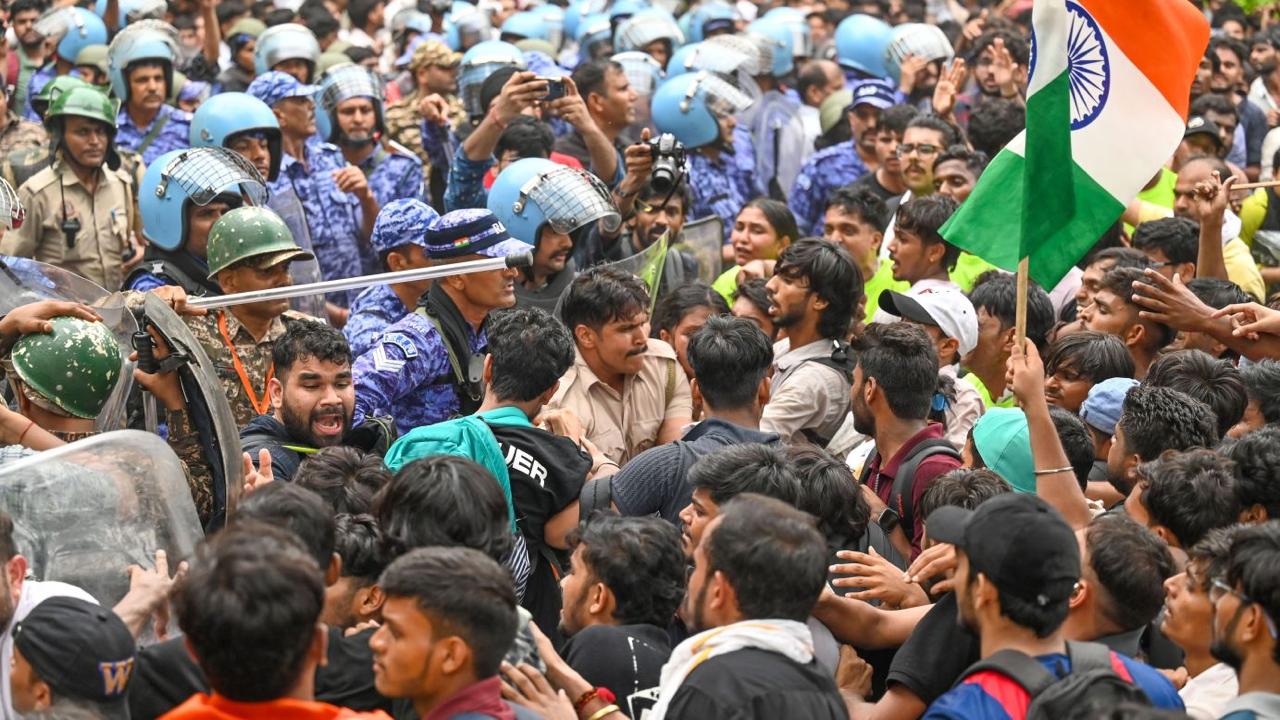
As a wave of public interest litigations flooded the Delhi High Court, Chief Justice Upadhyaya responded with a balanced mix of strict institutional boundaries and firm accountability. He also famously cautioned the Bar saying “Don’t drag the Court into all this” to signal that the judiciary must not become a tool for immediate political leveraging. As substantive evidence of disproportionate state force emerged, his Bench refused to dismiss the claims and ordered the preservation of all digital evidence including CCTV and bodycam footage.
However, the Chief Justice maintained a strict boundary, refusing an overreaching plea for an immediate NIA probe by affirming that investigative orders were an administrative prerogative of the Central Government. By these balanced interventions, Chief Justice Upadhyaya aggressively scrutinized administrative overreach and digital surveillance, while ensuring that the critical right to peaceful protest was neither extinguished by state force nor abused by political factions.
Core Judicial Philosophy
Justice Upadhyaya’s judicial approach focuses closely on the constitutional right to equity and civic accountability. He is known for actively monitoring civic management, public infrastructure, and administrative overreach. Whether managing municipal public interest litigations or safeguarding institutional transparency, his court routinely emphasizes that public agencies must hold themselves to strict, verifiable standards of governance.
Legacy and Continued Impact
By combining deep technical legal knowledge with an approachable manner, Justice Devendra Upadhyaya continues to influence Indian jurisprudence. His focus on clearing backlogs and maximizing access to justice, places him among the country’s more forward-looking judicial leaders. His administrative and judicial choices remain essential to safeguarding foundational civil liberties.