
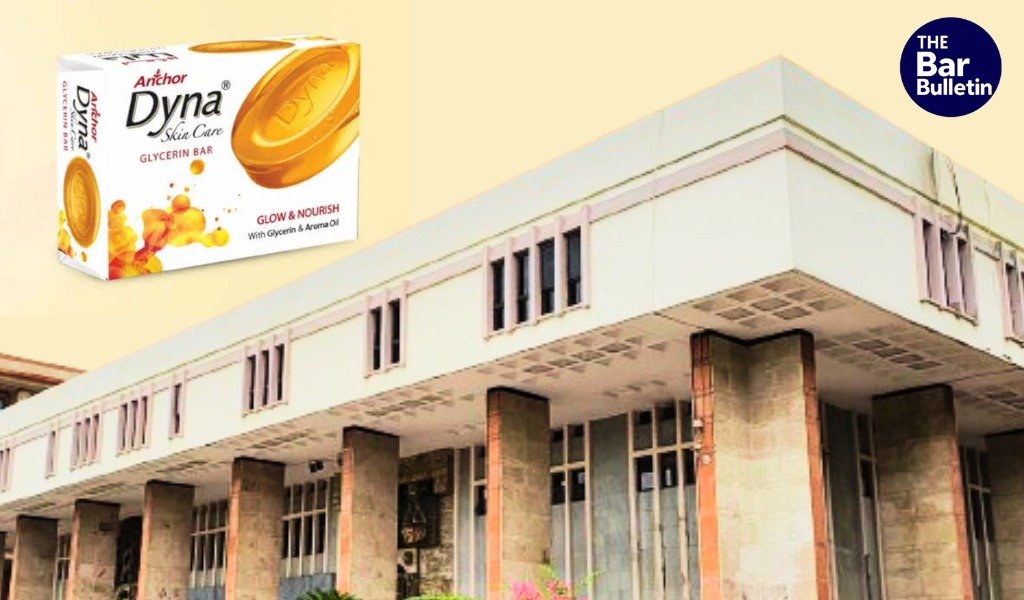

Refusing to interfere with an ex parte ad interim injunction restraining use of the mark “DYNAFRESH” in a trademark and passing off dispute involving the Anchor Consumer Products (respondent’s) registered mark “DYNA”, the Delhi High Court has held that where the defendant does not challenge the core interim findings on deceptive similarity, goodwill, confusion and lack of bona fide adoption, and attacks only an alleged suppression point, the court can sustain the injunction if the broader merits independently justify protection. The Court accepted the Single Judge’s reasoning that the respondent had established a prima facie passing off case, that the marks were deceptively similar, and that balance of convenience and irreparable injury favoured the respondent.
Further, the Court laid down that a party whose earlier trademark application has been rejected on merits, and who does not challenge that order, cannot casually rely on a second application for the same mark as if the earlier findings do not exist. The Court therefore treated the second application, filed without disclosure of the earlier rejection order, as lacking bona fides and potentially barred on the doctrine of estoppel.
While refusing to interfere with the ex parte ad interim injunction on mere pretext of allegations of non-disclosure of certain documents, the High Court held the alleged non-disclosure of 45 GST invoices immaterial because the appellant was already bound by an unchallenged quasi-judicial order of the Registrar dated July 29, 2024, which had found “DYNAFRESH” deceptively similar to “DYNA,” found likelihood of confusion, rejected the appellant’s user claim, and held that the adoption was not bona fide. That prior order, having attained finality, prima facie overshadowed the invoices and supported the injunction.
Also Read Temporary Stay Outside Gujarat Due to Parent’s Transfer Cannot Defeat Domicile Claim: Gujarat HC
The Division Bench comprising Justice V. Kameswar Rao and Justice Manmeet Pritam Singh Arora recounted the reasons that had weighed with the Single Judge. On visual comparison, the Court noted that the appellant was prominently using “DYNA” in its trade dress, while “FRESH” appeared smaller and stylized in a way that made it look secondary. The Court also noted similarity in colour scheme and observed that because the respondent itself used “DYNA” with additional words on its own products, the use of “DYNAFRESH” could easily create an impression of association. It further accepted that the respondent had built substantial goodwill and reputation through long sales history, advertising and celebrity endorsements.
A central observation was that the appellant had not challenged the most damaging finding against it: the Registrar’s order dated July 29, 2024. The Registrar had expressly held that “DYNAFRESH” was visually and phonetically similar to “DYNA,” that there was likelihood of confusion, and that the appellant had failed to establish honest and continuous use despite ample opportunity. The Bench treated this as a significant quasi-judicial determination which had become final because the appellant never appealed it. For that reason, the Court held that the appellant remained bound by the findings that its user claim was unproved and its adoption was not bona fide.
Also Read Raising Questions in Legislative Assembly Is a Legislative Act, Not Amenable to Writ: MP High Court
On the appellant’s suppression argument, the Court was not persuaded. It held that the 45 GST invoices relied upon by the appellant did not displace or neutralise the Registrar’s earlier order. In the Court’s view, once the Registrar had already rejected the appellant’s prior user case and found the mark conflicting and confusing, those invoices could not become a material fact capable of changing the result at the interim stage. The Bench therefore held that even if those invoices were not separately filed with the plaint, their absence did not amount to suppression of a material fact that would require vacating the injunction.
The Court also made a strong observation against the appellant’s conduct in filing a second trademark application for the same mark after the first had been rejected on merits. When asked, the appellant’s counsel admitted that the earlier rejection order dated 29.07.2024 had not been disclosed in the second application. The Bench said it could not understand the legal basis for maintaining that second application and described it as ex facie not bona fide and an attempt to overreach the earlier order. It further observed that the second application was liable to be hit by estoppel because of the findings recorded in the first rejection order.
The Bench also noted that the appellant itself had not candidly placed the full position even before the appellate court, because in its synopsis it only mentioned refusal of the first application for want of proof of user, without disclosing that the application had also been rejected on the ground of conflict with the respondent’s registered mark “DYNA.” The Court said that while the appellant sought to sidestep the earlier order, that order continued to bind it and made its use of “DYNAFRESH” not bona fide. The Court further recorded that the respondent had in any case filed additional material before the Single Judge showing Amazon listings of the appellant’s products since 2021, so the Single Judge was already aware of the attempted use from that period.
Briefly, an appeal was filed against an ex parte ad interim injunction passed by a Single Judge in a commercial trademark suit filed by Anchor Consumer Products Private Limited against Jagdish Dahyalal Patel. The injunction restrained the appellant from using the mark “DYNAFRESH” or any mark identical or deceptively similar to the respondent’s registered trademark “DYNA.” The respondent’s case was that “DYNAFRESH,” used for air fresheners, was deceptively similar to its long-standing registered mark “DYNA,” which it had been using for soaps and other personal care products since 1999.
Before the Division Bench, the appellant did not seriously challenge the merits of deceptive similarity or the respondent’s goodwill. Its core case was that the respondent had allegedly suppressed material facts while obtaining the ex parte injunction. According to the appellant, it had been selling products under “DYNAFRESH” at least since June 2021, and this was supported by 45 GST-paid tax invoices filed with its later trademark application no. 6978521. The appellant argued that if these invoices had been shown to the Single Judge, the Court may not have granted ex parte relief. The appellant also stated that although it had already filed a recall application before the Single Judge, it would withdraw that application and pursue only the appeal.
The respondent answered by pointing out that it had already disclosed in the plaint the appellant’s earlier trademark application no. 5586219 for “DYNAFRESH,” filed in 2022 with a user claim from Feb 29, 2020. That application had been refused by the Registrar of Trade Marks on July 29, 2024 on two grounds: first, “DYNAFRESH” conflicted with the respondent’s registered mark “DYNA” in the same class; and second, the appellant failed to prove its claimed prior user despite opportunities, leading the Registrar to hold that there was no bona fide adoption of the mark. The respondent further argued that this order had never been challenged and had therefore attained finality. It also said that the later application no. 6978521 had in fact been disclosed through the status documents filed with the plaint, and that Amazon listings from 2021, 2022 and 2025 had also been shown to the Single Judge.
The Single Judge granted injunction after prima facie findings that the respondent had substantial goodwill and immense reputation in the mark “DYNA,” that the rival marks were deceptively similar, that the appellant’s adoption was not bona fide, and that balance of convenience and irreparable injury favoured the respondent.
