
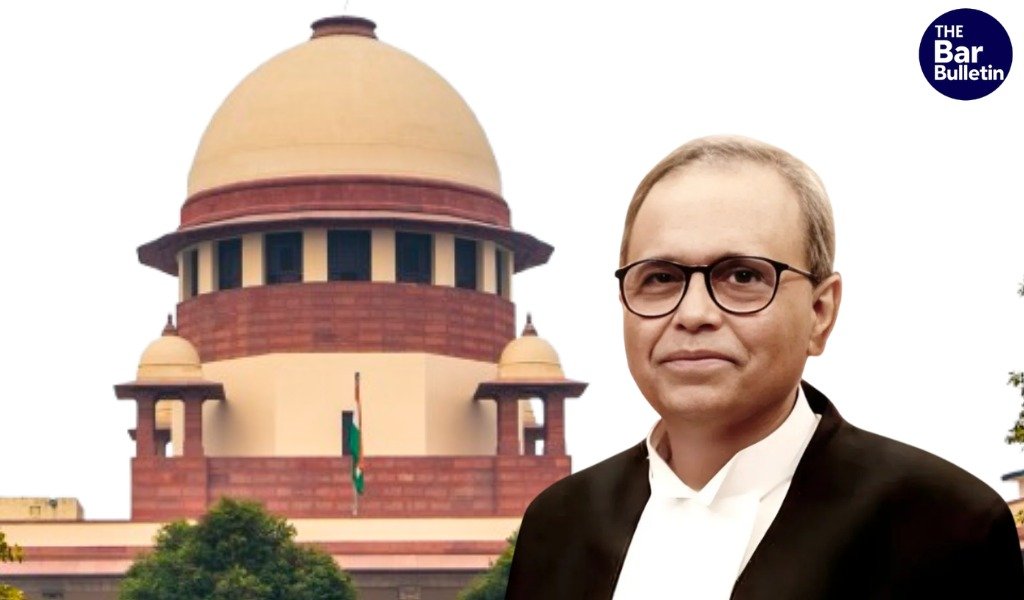
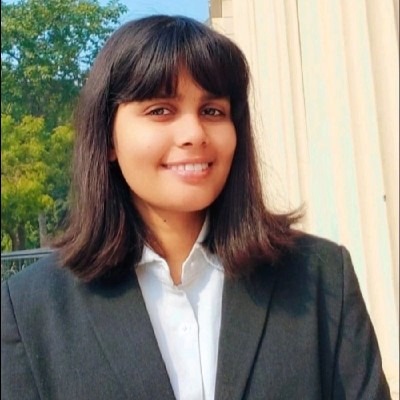
The Supreme Court on Thursday discussed the possibility of retired judges returning to judicial work, with Justice Joymalya Bagchi and Senior Advocate Menaka Guruswamy exchanging views on how the Indian judiciary’s rigid hierarchy differs from judicial systems in other countries.
Referring to the practice in the United States, Menaka Guruswamy said retired judges could return to hear specific matters where their expertise and experience were needed.
“
“When Justice Sandra Day O’Connor retired from the American Supreme Court, she would come back to the New York State Supreme Court and sit on specific matters. Sometimes that expertise is needed, the wisdom is needed. Sometimes it’s nice to have that intergenerational exchange also within the judiciary,”
Justice Bagchi then highlighted the differences between the Indian and American systems, referring to the rigid structure governing judicial appointments in India.“Unfortunately or fortunately, we have a bureaucratic position. We have a very strict hierarchy,” he said.
Menaka Guruswamy then recalled her experience on flexible movement between the Bar and the Bench in the United States. She said when she was teaching at New York University School of Law, when former US Supreme Court Justice John Paul Stevens came to address her class. “We were all expecting a car and cavalcade. He just walked in,” she said, recalling that Stevens would arrive by subway.
Justice Bagchi illustrated the difference in judicial culture by recalling a meeting with Sri Srinivasan, Chief Judge of the US Court of Appeals for the District of Columbia Circuit. During a judicial programme on counter-terrorism, Justice Srinivasan arrived carrying an umbrella after travelling by the Tube in the rain. Menaka Guruswamy also cited the example of a woman judge of Germany’s Federal Constitutional Court who used to cycle to work.
Justice Bagchi’s examples of judges travelling by public transport or cycling to work led the discussion to broader differences between judicial systems, including their caseloads and working practices. Menaka Guruswamy noted that the US Supreme Court hears only around 25 to 60 cases a year, contrasting this with the heavy workload of Indian courts. Justice Bagchi, however, pointed out that US state courts also face overflowing dockets.
The discussion took place during the previous matter, listed as Item 14, before Senior Advocate Menaka Guruswamy appeared in Item 15 concerning the EWS category in West Bengal’s assistant teacher recruitment. During the earlier hearing, the Bench was discussing judicial officers’ post-retirement security and the possibility of retaining their experience after retirement.