
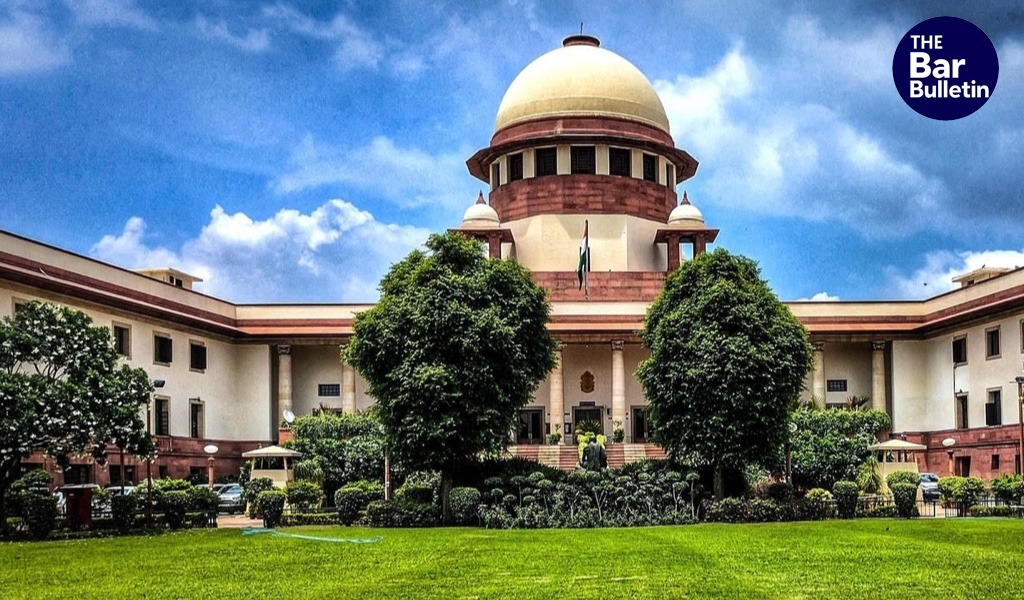

The Supreme Court on Friday laid down a set of uniform guidelines aimed at ensuring timely pronouncement and uploading of judgments by High Courts across the country, invoking its powers under Article 142 of the Constitution. The directions came amid concerns over prolonged delays in delivery of reserved judgments and their impact on personal liberty and access to justice.
The Court held that judgments reserved after conclusion of arguments should ordinarily be pronounced within three months. In matters involving personal liberty, including bail applications and habeas corpus petitions, decisions must be delivered expeditiously, with bail orders ideally being passed the next day if judgment is reserved.
The Court further directed that if a reserved judgment is not pronounced within three months, the matter should be placed before the Chief Justice of the concerned High Court. If the delay continues despite an additional two-week period, the case may be reassigned to another Bench. The guidelines also require High Courts to display the date on which judgment was reserved and ensure timely uploading of reasoned orders on their websites.
Observing that High Courts deal with a vast range of matters affecting personal liberty, family disputes, and constitutional rights, the CJI clarified that the directions are intended to enhance transparency and accountability and should not be viewed as an aspersion on any judge or court.
The directions were issued in proceedings concerning persistent delays in pronouncement of reserved judgments by several High Courts, where Advocate Fauzia Shakil assisted the Court as amicus curiae and submitted draft guidelines for consideration.