
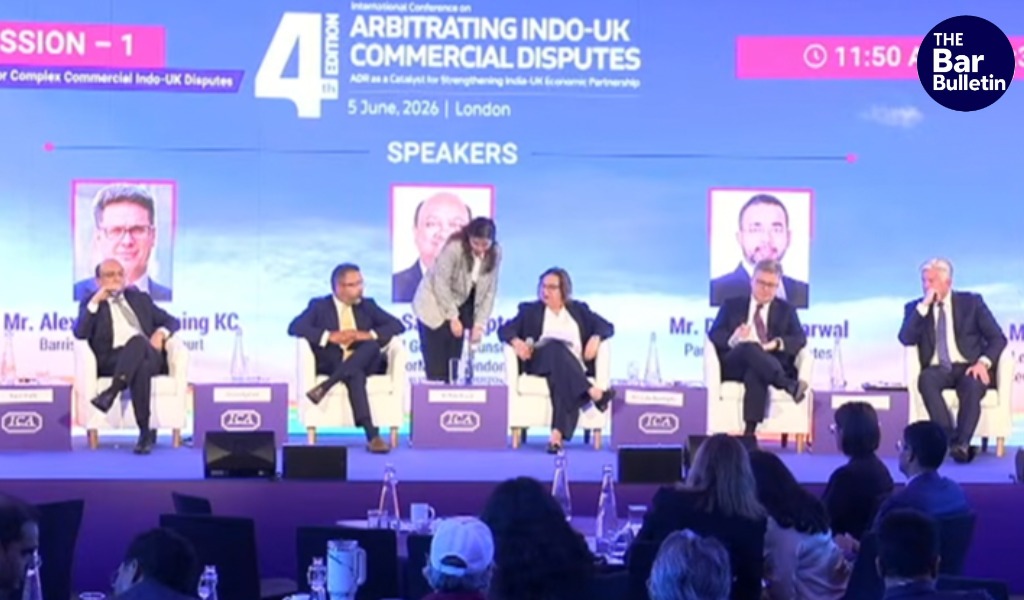

The first technical session of ICA’s 4th Edition of the International Conference on “ARBITRATING INDO-UK COMMERCIAL DISPUTES” examined the role of dispute resolution in strengthening cross-border trade and investment within the India–UK economic corridor. Ms Pinky Anand, Senior Advocate, Supreme Court of India, and former Additional Solicitor General of India, moderated the session on “Beyond Silos: Architecting Hybrid ADR Ecosystems for Complex Commercial Indo-UK Disputes”. The panel comprised:
- Mr Alexander Cunning KC, King’s Counsel and Barrister at XXIV Old Buildings;
- Mr Sapan Gupta, Advocate-on-Record, Supreme Court of India, and Partner at a leading dispute resolution practice;
- Mr Divyam Agarwal, Advocate and disputes practitioner specialising in arbitration and commercial litigation;
- Mr Chris Polson, disputes specialist and partner at a UK-based international law firm.
Establishing the ground rules, Ms Pinky Anand noted that dispute resolution is constantly evolving and that there is “no one shoe that fits all.” She emphasised the increased international demand for hybrid mechanisms, including mediation in arbitration. She said the “commercial cultures” of India and the UK were very different and had a profound impact on the practical implementation of these.
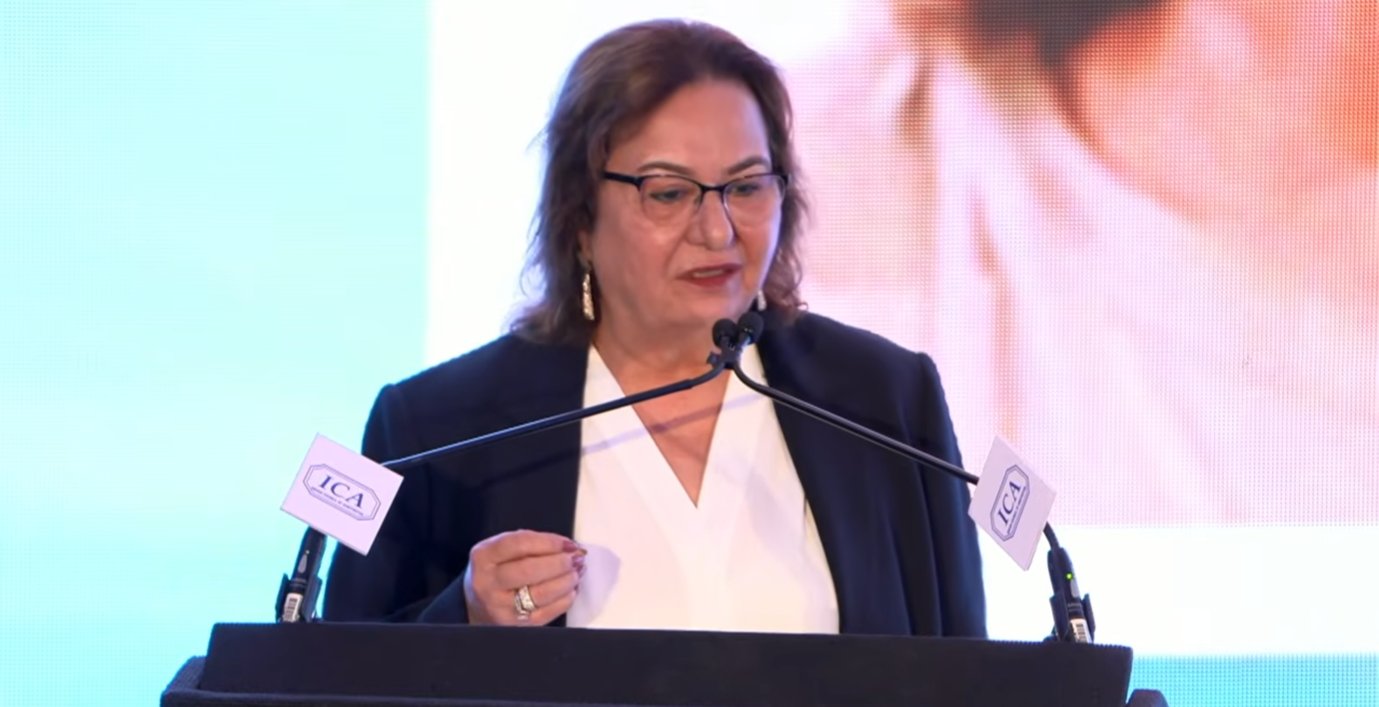
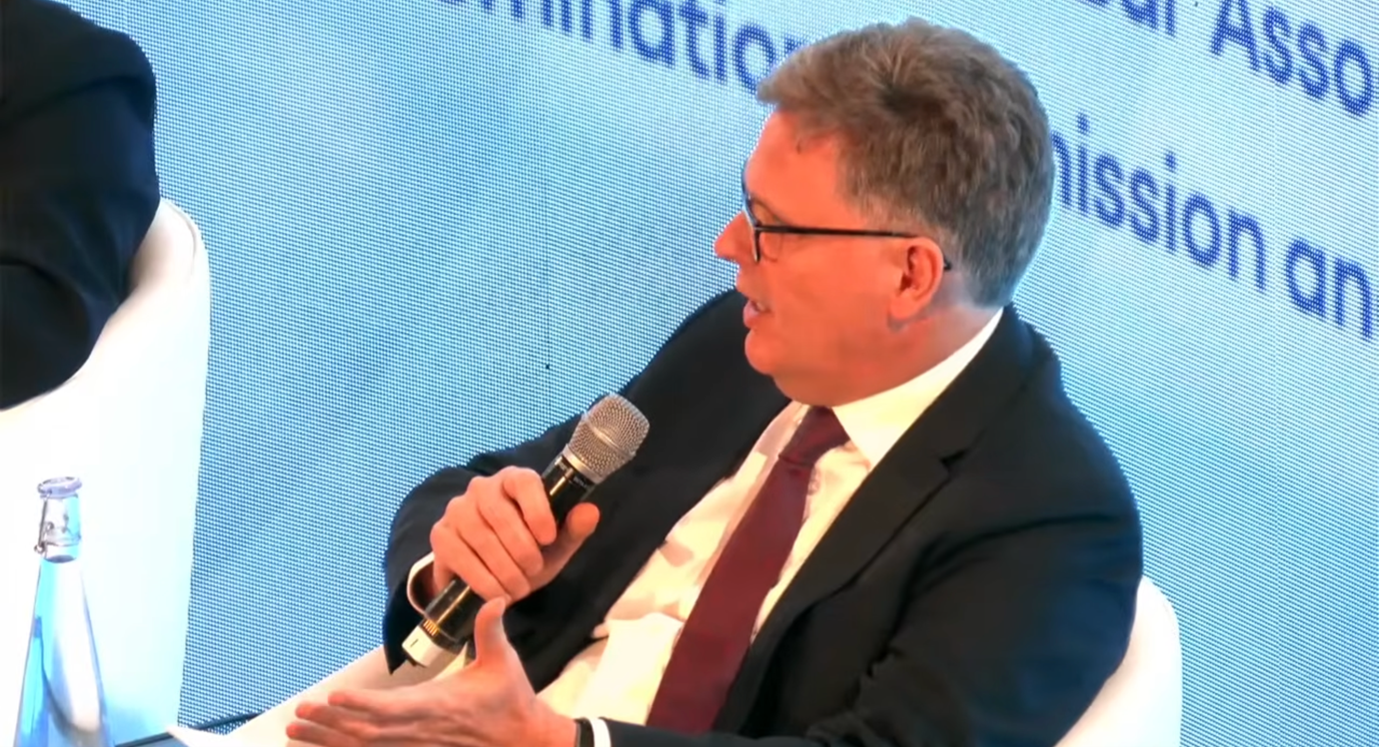
In his frank analysis of India’s arbitration system, Mr Divyam Agarwal noted that it remains a “place of incremental improvement, not transformation”. He highlighted that there has been a “significant change in the mindset of the judiciary” with their perceptions that arbitration is now a cornerstone of commercial dispute resolution. He also highlighted the emergence of institutional arbitration in India, as compared to ad hoc arbitration. He noted, “India’s arbitration system remains a place of incremental improvement, not transformation. While there has been a significant change in the mindset of the judiciary and a visible shift towards recognising arbitration as a cornerstone of commercial dispute resolution, mixed administrative signals continue to damage faith in the system.”
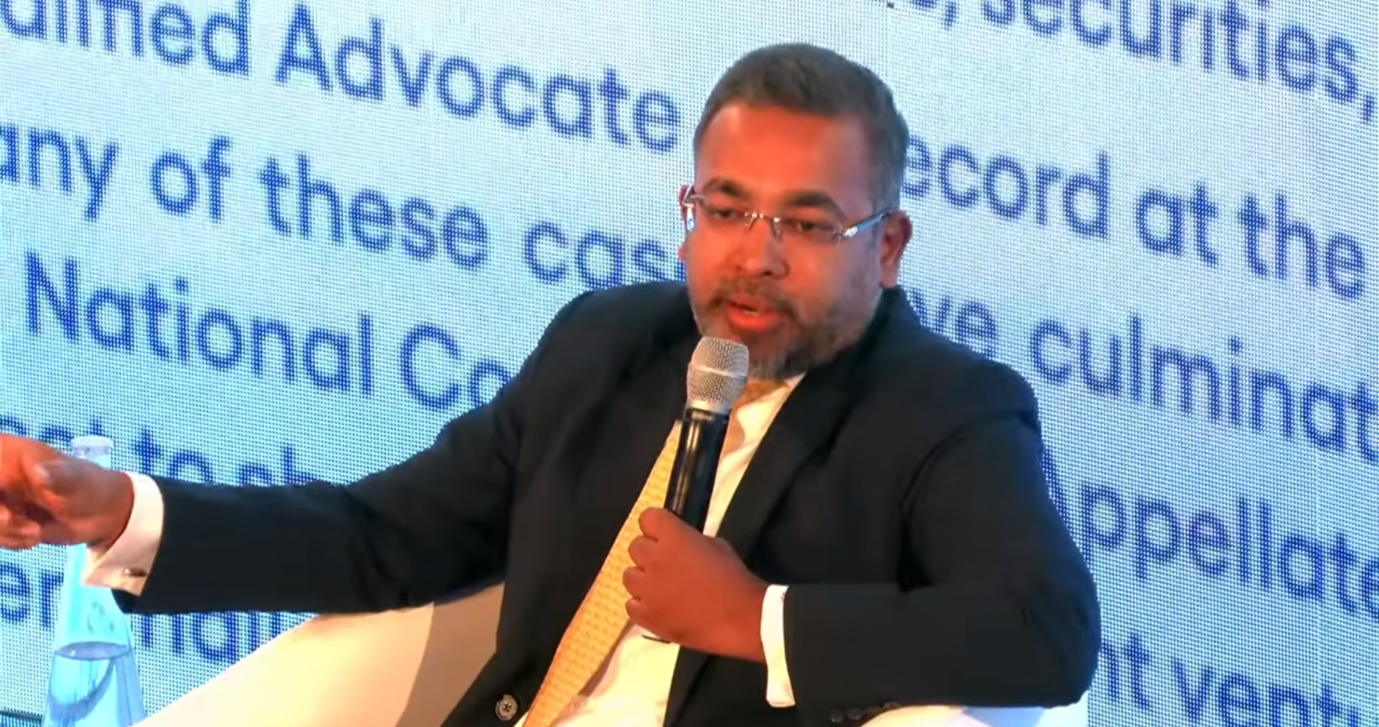
Mr Sapan Gupta, from the in-house point of view, had a more questioning attitude towards hybrid mechanisms. He noted that mediation provisions in commercial agreements are frequently ignored and used as a “formal formality” that allows parties to “pass through” and go directly to arbitration. He said that often, there is not sufficient trust in mediators and there are significant differences between commercial positions, which make mediation difficult to achieve. He reiterated that arbitration is a preferred option, and the key reason for this is its enforceability in international cases: “Mediation provisions in commercial agreements are often reduced to a formal formality, allowing parties to simply pass through them and proceed directly to arbitration, largely because of the lack of trust in mediators and the significant divergence in commercial positions.”
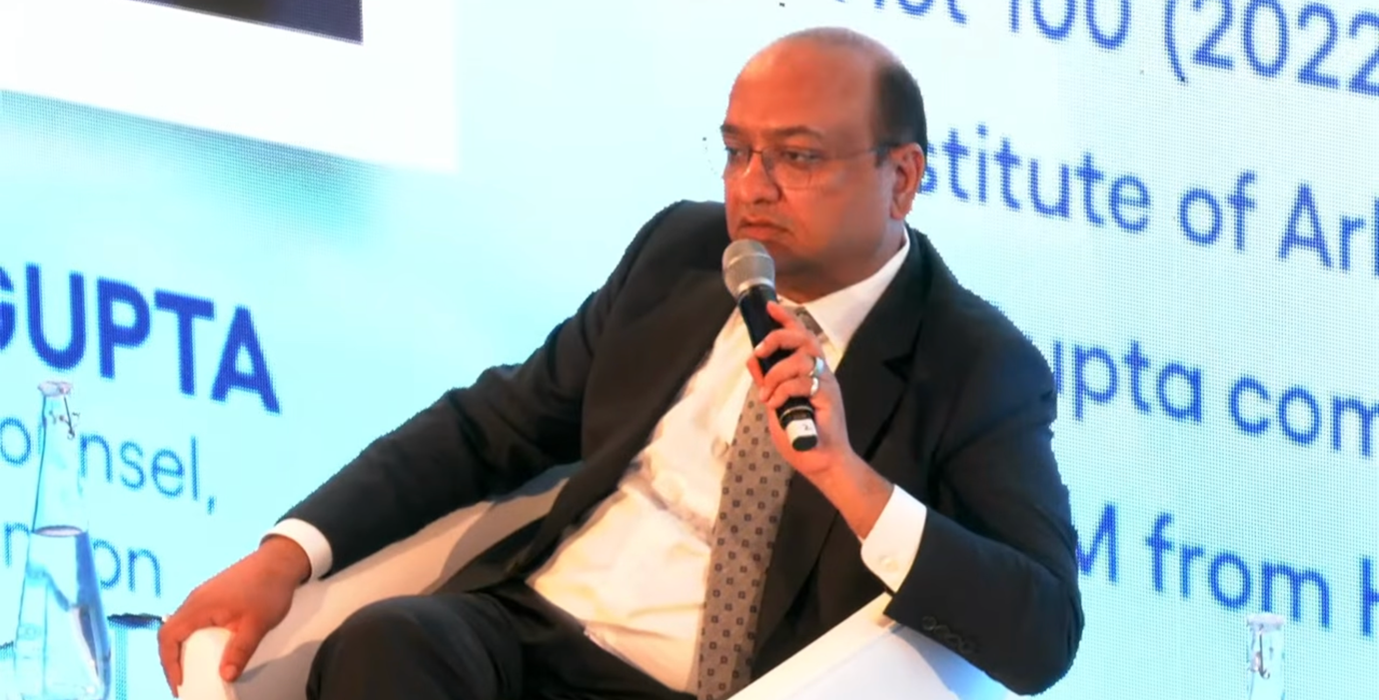
Mr Alexander Cunning KC pointed to the growing intricacy of dispute resolution provisions and warned of the dangers of multi-layered dispute resolution provisions that may become “procedural obstacles” instead of effective tools. “Multi-layered dispute resolution provisions risk becoming procedural obstacles rather than effective tools, particularly where mandatory pre-arbitral steps are treated as hurdles instead of genuine opportunities for resolution.” He pointed out that in many cases, mandatory prerequisites to arbitration are simply obstacles, not a part of the process, and that prerequisites should be flexible and voluntary.
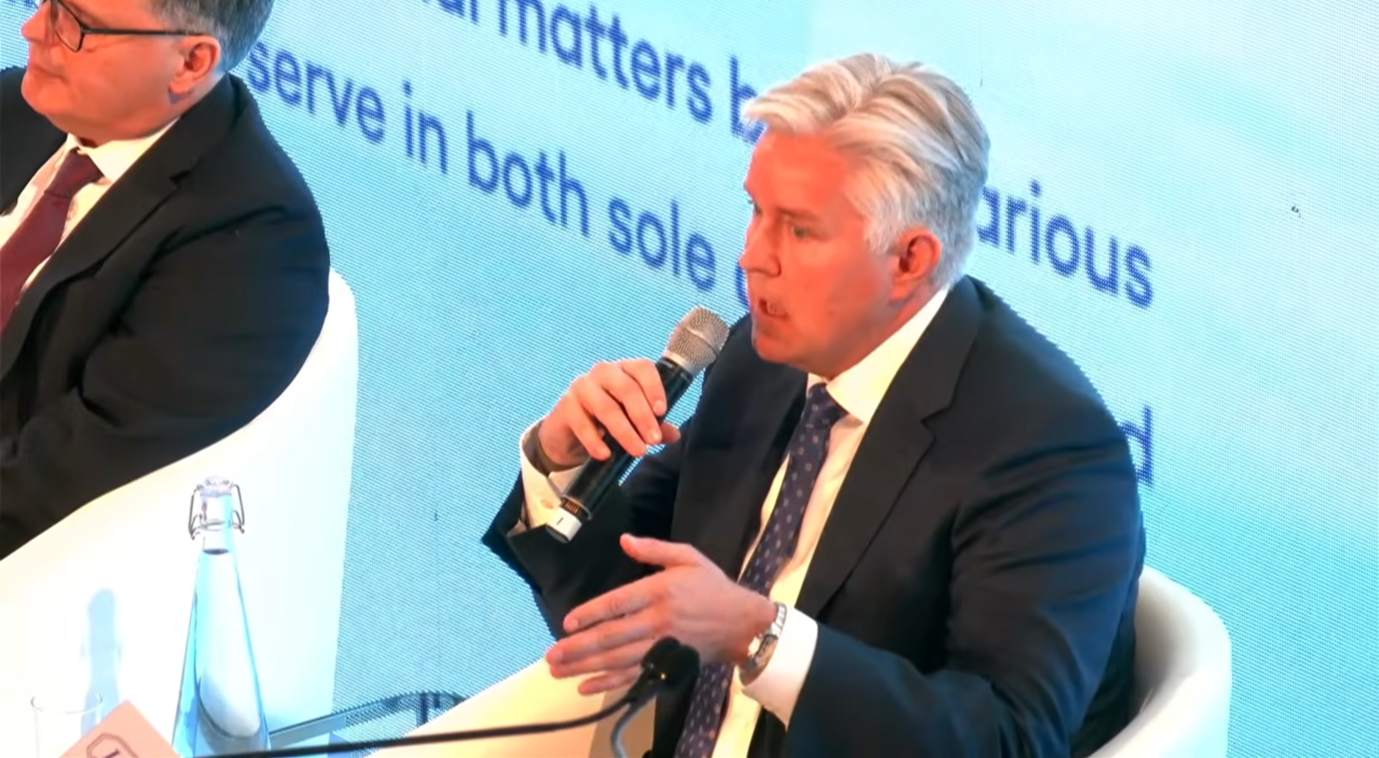
Mr Chris Polson provided a comparative perspective, highlighting the differences between the institutional approaches in London and Singapore. Singapore incorporates hybrid ADR processes into its institutional framework, but London provides some flexibility without specifying structured hybrid processes. He also noted that hybrid approaches could be useful for some types of disputes in practice, including in those where speed and cost are of the essence, but that there are difficulties with enforcement across jurisdictions.
One theme that came up frequently during the discussion was the similarity of arbitration to traditional litigation. In modern times, the evidence, the procedure, and the time taken in arbitration proceedings are similar to those in court proceedings, said Mr Divyam Agarwal. In response, Anand concurred that the risk of arbitrations being less efficient than they aim to provide is a concern.
There was a lot of discussion about the use of mediation in arbitration. Mr Sapan Gupta asked what it does in commercial disputes, but Ms Pinky Anand pointed out that mediation could work better at a later point in time when parties have a better understanding of their respective views. In opposition, however, Mr Alexander Cunning KC warned of the “double-hatting” whereby the same person would serve as both mediator and arbitrator on the basis of concerns over confidentiality and impartiality.
The panellists shared their thoughts on the future of dispute resolution systems in their closing remarks. Mr Sapan Gupta stressed the need to customize provisions on dispute resolution depending on the nature and the value of the disputes, suggesting mediation as the mechanism for resolving disputes of lower value and arbitration for high-value disputes. A more creative idea was offered by Mr Alexander Cunning KC, who recommended granting arbitrators the power to manage ongoing commercial relationships, not just disputes. “Context is key, and there is no single model that fits everybody,” Polson said.
Overall, the session highlighted the need for careful design, party willingness, and institutional coherence to ensure the success of hybrid ADR mechanisms. Instead of proposing one single model, the focus was on the need for further experimentation in the design of dispute resolution systems to achieve a balance between efficiency, enforceability, and commercial practicality.
Read Also
Inaugural Session Report- https://thebarbulletin.com/cji-surya-kant-arbitration-system-introspection-reforms/
Fireside Chat Report- https://thebarbulletin.com/geeta-luthra-wider-arbitrator-pool-arbitration-reforms/
2nd Technical Session Report- https://thebarbulletin.com/commercial-certainty-dispute-prevention-india-uk-trade-adr/